Quick facts
What to know before you go
Dujiangyan — The Sichuan Waterwork That Still Works Because Engineering Becomes Landscape is a curated China Hidden Gems destination in Sichuan, selected for travelers who want the place, timing, effort, and logistics in one scan.
- Administrative location
- Dujiangyan, Sichuan
- Chinese name
- 都江堰 · Dujiangyan
- Best season
- March to June and September to November
- Difficulty
- Easy
- Time needed
- 3-5 hours
- Typical cost
- $$
- Getting there
- Treat Dujiangyan as a focused heritage-engineering stop where time for reading the water logic matters more than how quickly you can move through the site.
Official planning links
Editorial briefing
Why this place works
A practical guide to Dujiangyan for travelers deciding whether this Sichuan water-engineering world-heritage site deserves focused time, with practical notes on route reading, hydraulic logic, and why Dujiangyan works best as living infrastructure rather than as a dead ruin.
Why go
- A practical guide to Dujiangyan for travelers deciding whether this Sichuan water-engineering world-heritage site deserves focused time, with practical notes on route reading, hydraulic logic, and why Dujiangyan works best as living infrastructure rather than as a dead ruin.
- Dujiangyan — The Sichuan Waterwork That Still Works Because Engineering Becomes Landscape gives travelers a concrete reason to plan around Dujiangyan, sichuan, not just a generic first-trip city list.
- It is strongest for engineering heritage, sichuan, waterwork, with enough practical context to compare timing, difficulty, and onward route fit.
Turn this into a trip
Save Dujiangyan — The Sichuan Waterwork That Still Works Because Engineering Becomes Landscape, then plan around it.
Keep this gem on your device, open it in your bucket list, or start a planner draft with the destination already filled in.
Professional route review
Already combining Dujiangyan — The Sichuan Waterwork That Still Works Because Engineering Becomes Landscape with other stops?
A Route Reality Check reviews pace, obvious cross-city handoffs, and preparation risks in the route you already built.
No booking, visa service, supplier packaging, funds handling, guarantee, or on-trip support.
Application-based Beta
$29
48-72 hours after acceptance, payment confirmation, and receipt of the complete route.
Review the application boundaryTrip planning intake
Ask whether Dujiangyan — The Sichuan Waterwork That Still Works Because Engineering Becomes Landscape fits your route.
This is a lightweight planning signal, not an instant concierge. Leave your trip context and a real question, and the team can reply manually after review.
Story visuals
Dujiangyan — The Sichuan Waterwork That Still Works Because Engineering Becomes Landscape
The Waterwork That Stays Impressive Because It Still Feels Functional
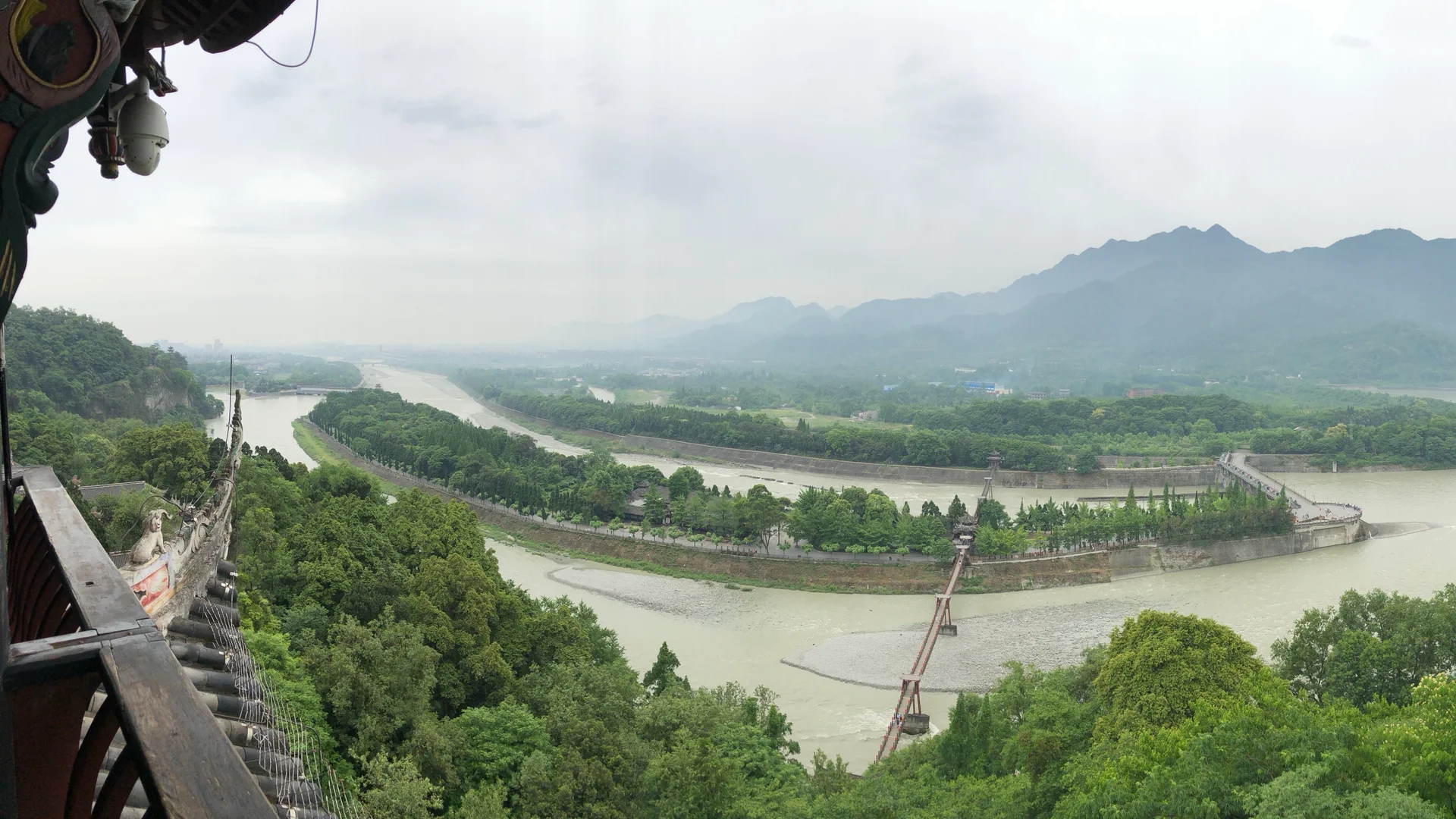
Dujiangyan can be weakened by the wrong imagination. Many heritage travelers hear "ancient irrigation system" and immediately picture a worthy but inert archaeological site: some surviving structures, some explanatory panels, maybe a bit of river scenery, and a lot of abstract respect. That is not Dujiangyan at its best. The site works because engineering still reads like landscape. Water, channels, weirs, and river control are not museum leftovers. They are the destination's logic in motion. Once the traveler understands that, Dujiangyan becomes far more compelling.
That distinction matters because Sichuan already has enough visually dramatic destinations to dominate a route without needing much explanation. Jiuzhaigou gives immediate scenic spectacle. Huanglong gives color and travertine strangeness. Leshan gives monumental Buddhist scale. Dujiangyan adds something rarer: a site where utility, intelligence, and landscape fuse. It broadens Sichuan from scenic impact and spiritual monumentality into hydraulic civilization.
A premium page should therefore avoid turning Dujiangyan into generic heritage reverence. The page is stronger when it makes a clear argument: this is not just an old engineering site that deserves respect because it is old. It deserves respect because its water logic still feels intelligible, because the relationship between river and intervention is visible, and because the destination keeps asking the traveler to read design rather than merely admire form.
Why It Works
First, Dujiangyan is conceptually satisfying in a way many scenic landmarks are not. Visitors can actually grasp what the site is doing. Once the route helps them understand how water is being split, guided, and moderated, the destination becomes more memorable than places that offer only visual beauty.
Second, the waterwork has enough physical presence to avoid becoming purely abstract. Channels, barriers, river force, and site geometry keep the experience grounded. This matters because engineering heritage can fail when it becomes too diagrammatic. Dujiangyan stays tangible.
Third, the destination gives Sichuan a strong non-spectacle heritage page. It is not weak or quiet. It is simply persuasive for different reasons. Travelers who like systems, built intelligence, and the meeting point between nature and design often end up rating Dujiangyan very highly.
A fourth reason it works is that the surrounding landscape helps rather than distracts. Dujiangyan is not a dry technical exhibit dropped into an indifferent setting. Water, greenery, bridges, and mountains all support the story without taking it over.
How To Shape The Visit
Start by deciding whether your Dujiangyan stop is engineering-first or scenery-first. Engineering-first is stronger. The scenery matters, but the site becomes more defensible when the traveler understands the hydraulic idea that organizes it.
The second decision is pacing. Dujiangyan should not be rushed like a simple photo stop. The page needs to help travelers give the site enough time for the water logic to become legible.
The third decision is expectation discipline. This is not a site whose power comes from grand ruin melancholy. It comes from continued intelligibility and the feeling that design solved a real river problem in a durable way.
A fourth decision is whether Dujiangyan is being paired with a broader Chengdu or western-Sichuan route. That can work well, but the page should warn against treating it as an afterthought squeezed between more obviously dramatic destinations.
What To Prioritize
Prioritize hydraulic logic. That is the core argument of the site.
Prioritize visible water movement too. Dujiangyan lands best when the traveler can watch the system behaving rather than merely read about it.
It is also worth prioritizing enough calm to connect the engineering explanation with the physical landscape.
A final priority is keeping the promise specific. This is living water infrastructure as heritage, not only old stone with a famous name.
What Can Go Wrong
The first mistake is expecting a scenic stop only and missing the engineering intelligence entirely.
Another mistake is treating the site as a dry history lesson without looking at what the water is actually doing.
The third mistake is overcompressing the stop and stripping away the time needed for system-level understanding.
Who Should Save It
Save Dujiangyan if you care about engineering heritage, river management, and destinations where design and landscape are inseparable. It is especially strong for travelers who want a Sichuan page with civilizational depth outside of temples and scenic valleys.
It is weaker for travelers who only want instant scenic shock or whose patience for system-based interpretation is low. Dujiangyan is worth it when the traveler is willing to let function become beauty.
What To Confirm Before You Go
Before finalizing the stop, decide whether you are willing to engage the hydraulic logic seriously, give the site enough time to become readable, and avoid comparing it to the wrong type of monument. It also helps to remember that the best version of Dujiangyan is often the one where you can see both the conceptual solution and the physical water behavior in the same visit, rather than only one side of the story. Another useful check is whether you want your Chengdu-side heritage day to be intellectually satisfying rather than only visually dramatic, because that is exactly where Dujiangyan tends to outperform expectations. It is also worth deciding whether the stop is there for engineering understanding, scenic pleasure, or both, because that answer should shape how slowly you move. The honest promise is simple: Dujiangyan is rewarding when you approach it as working intelligence in the landscape, not just as an old place with a famous name.
Traveler actions
Save, check in, share, and help other travelers judge whether this place is worth the trip.
Traveler Comments
Share your Dujiangyan — The Sichuan Waterwork That Still Works Because Engineering Becomes Landscape experience
Continue exploring
More in sichuan
View all →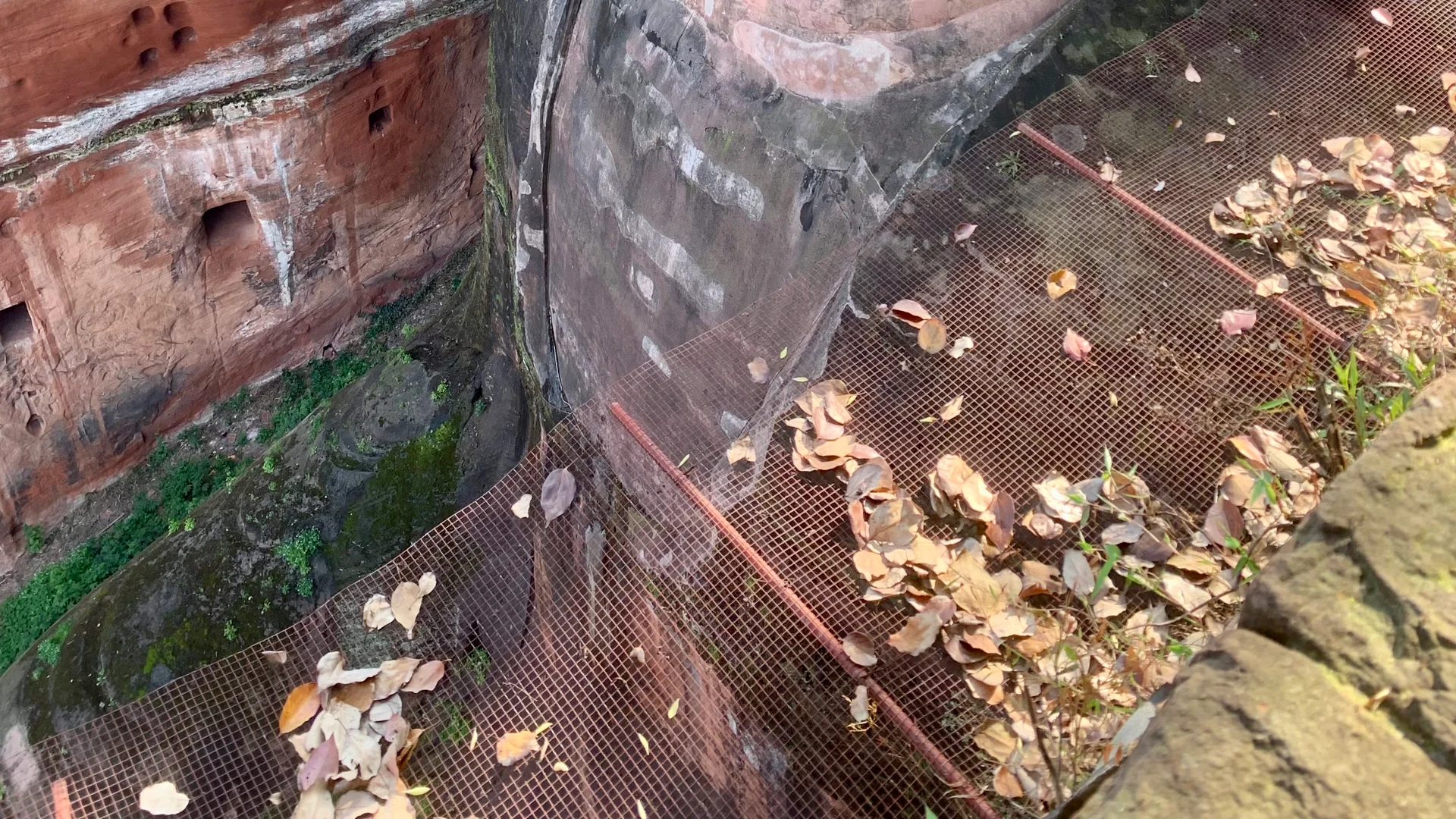 sichuan
 Leshan Giant Buddha — The River-Facing Colossus That Still Requires More Than One Look
乐山大佛 · Leshan Dafo
A practical guide to Leshan Giant Buddha for travelers deciding whether this river-facing colossus deserves a dedicated stop, with practical notes on perspective choice, route pacing, and why Leshan works best as a sequence of viewpoints rather than as a one-photo monument.
- sichuan
- March to May and October to November
- Easy
 sichuan
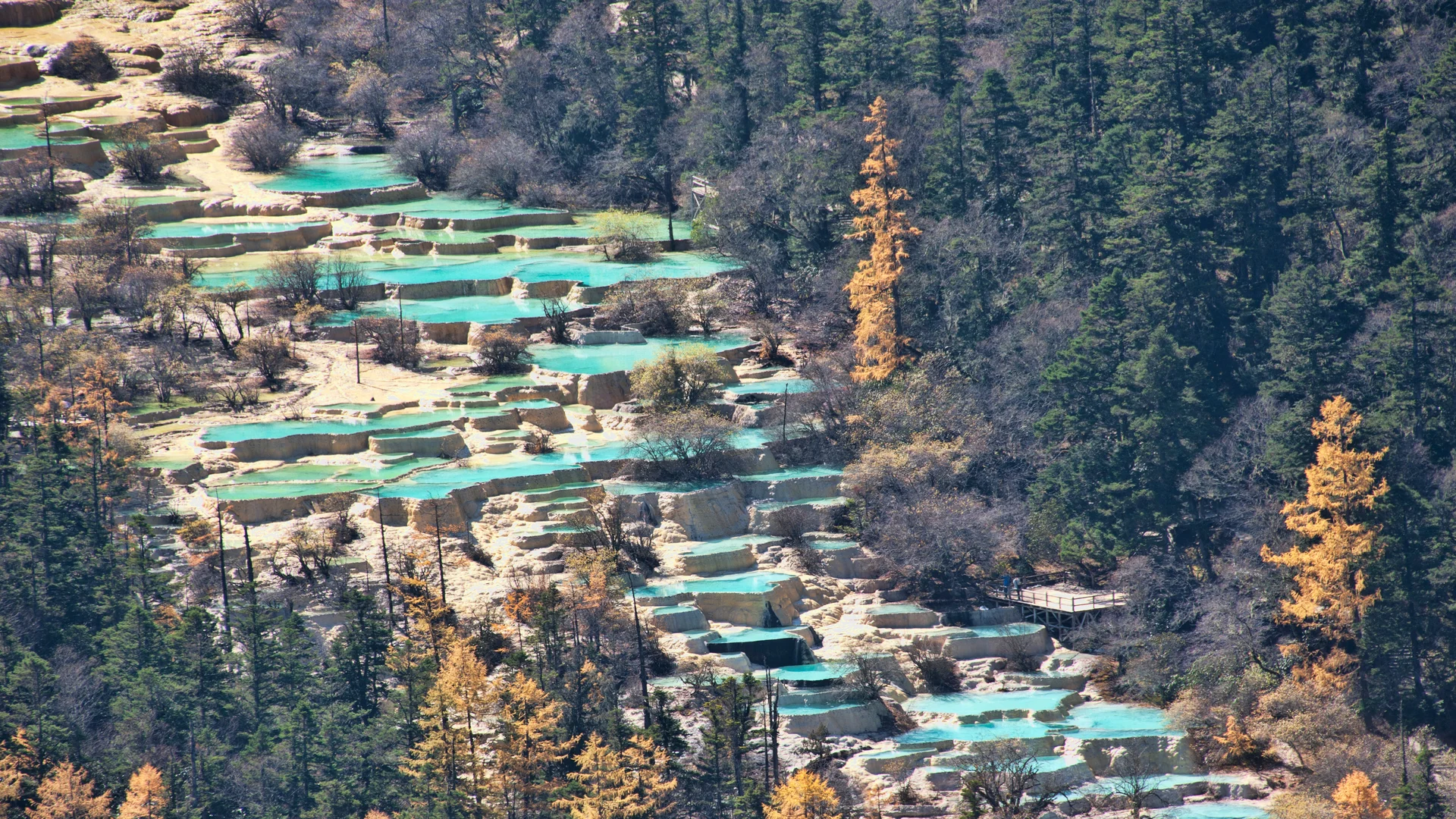
 Huanglong — The Travertine Valley That Needs Altitude Discipline, Not Only Postcard Expectations
黄龙 · Huanglong
A practical guide to Huanglong for travelers deciding whether this high-altitude travertine valley deserves a dedicated stop, with practical notes on altitude, pace, and why Huanglong works best as a disciplined natural-heritage day rather than as a quick rainbow-pool checklist.
- sichuan
- June to October
- Moderate
 sichuan
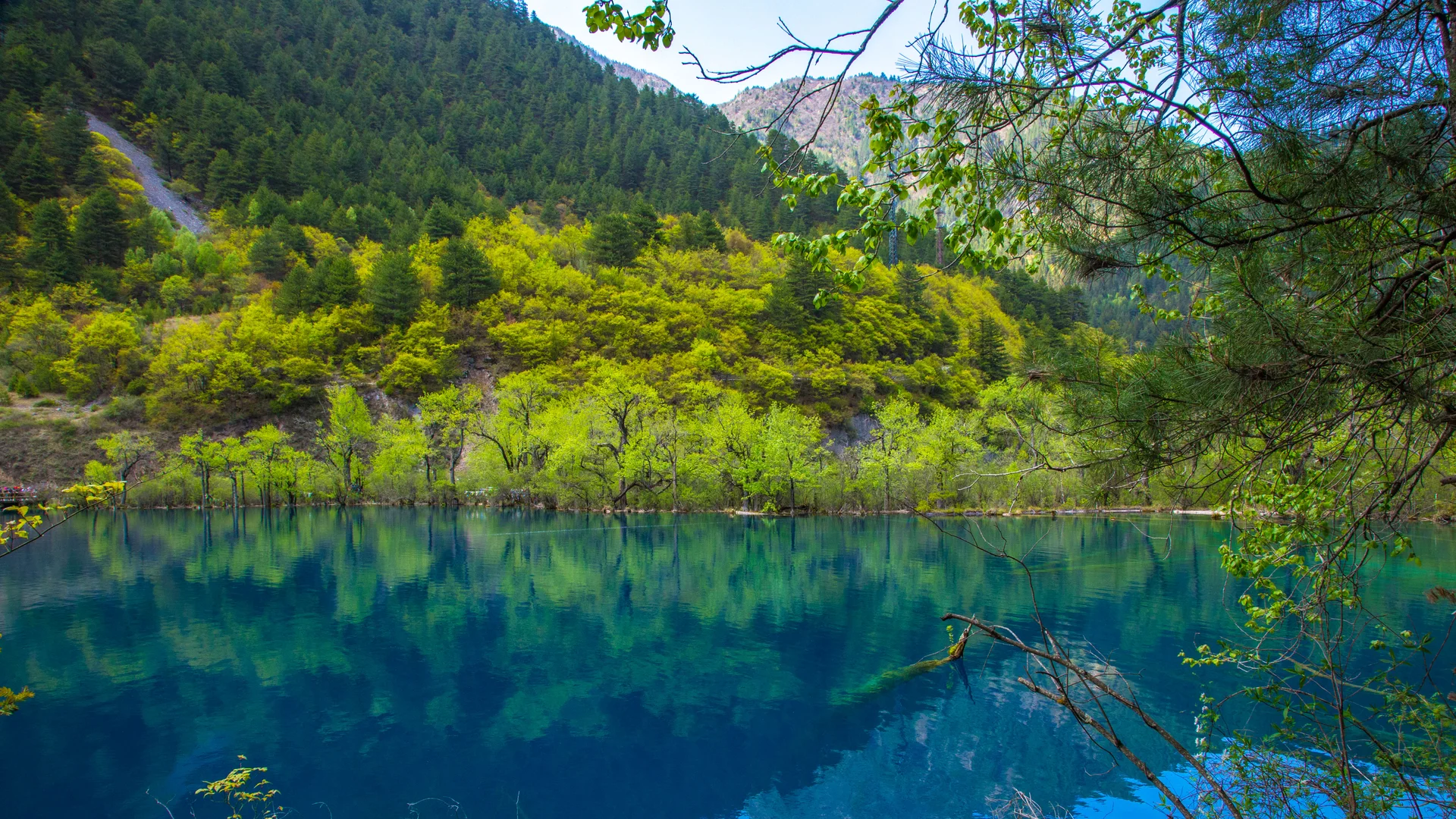
 Dreamlike Jiuzhaigou - Blue Lakes, Waterfalls, And Alpine Quiet
九寨沟 · Jiuzhaigou
A grounded guide to Jiuzhaigou for travelers drawn by blue lakes and waterfalls, with practical notes on conservation rules, park shuttles, weather, altitude, and what to confirm before visiting.
- sichuan
- September to November, with spring and early summer as calmer alternatives
- Moderate