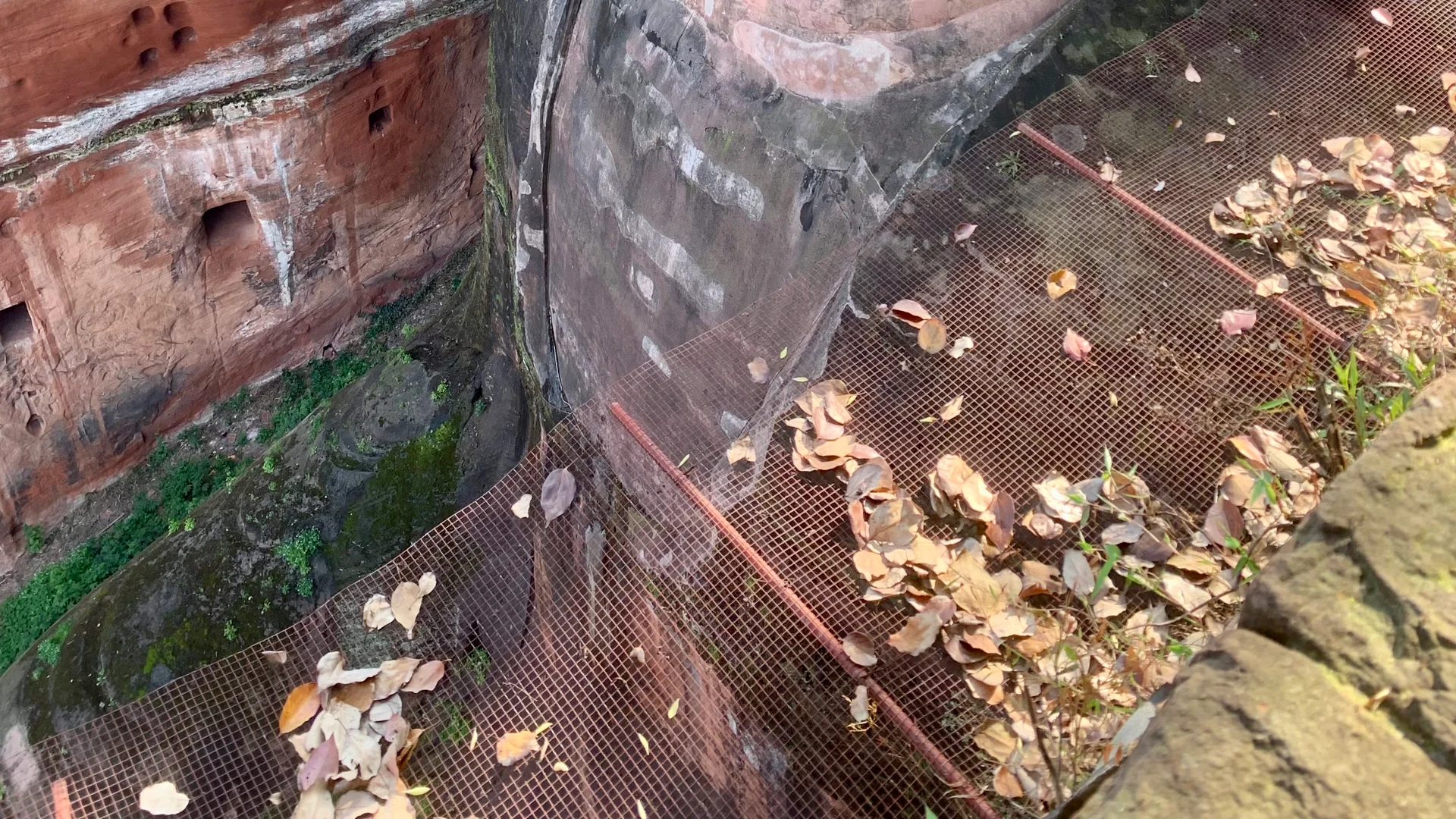
Quick facts
What to know before you go
Leshan Giant Buddha — The River-Facing Colossus That Still Requires More Than One Look is a curated China Hidden Gems destination in Sichuan, selected for travelers who want the place, timing, effort, and logistics in one scan.
- Administrative location
- Leshan, Sichuan
- Chinese name
- 乐山大佛 · Leshan Dafo
- Best season
- March to May and October to November
- Difficulty
- Easy
- Time needed
- Half day to full day
- Typical cost
- $$
- Getting there
- Treat Leshan as a multi-perspective monument visit rather than a single-viewpoint stop.
Official planning links
Editorial briefing
Why this place works
A practical guide to Leshan Giant Buddha for travelers deciding whether this river-facing colossus deserves a dedicated stop, with practical notes on perspective choice, route pacing, and why Leshan works best as a sequence of viewpoints rather than as a one-photo monument.
Why go
- A practical guide to Leshan Giant Buddha for travelers deciding whether this river-facing colossus deserves a dedicated stop, with practical notes on perspective choice, route pacing, and why Leshan works best as a sequence of viewpoints rather than as a one-photo monument.
- Leshan Giant Buddha — The River-Facing Colossus That Still Requires More Than One Look gives travelers a concrete reason to plan around Leshan, sichuan, not just a generic first-trip city list.
- It is strongest for buddha, monument, heritage, with enough practical context to compare timing, difficulty, and onward route fit.
Turn this into a trip
Save Leshan Giant Buddha — The River-Facing Colossus That Still Requires More Than One Look, then plan around it.
Keep this gem on your device, open it in your bucket list, or start a planner draft with the destination already filled in.
Professional route review
Already combining Leshan Giant Buddha — The River-Facing Colossus That Still Requires More Than One Look with other stops?
A Route Reality Check reviews pace, obvious cross-city handoffs, and preparation risks in the route you already built.
No booking, visa service, supplier packaging, funds handling, guarantee, or on-trip support.
Application-based Beta
$29
48-72 hours after acceptance, payment confirmation, and receipt of the complete route.
Review the application boundaryTrip planning intake
Ask whether Leshan Giant Buddha — The River-Facing Colossus That Still Requires More Than One Look fits your route.
This is a lightweight planning signal, not an instant concierge. Leave your trip context and a real question, and the team can reply manually after review.
Story visuals
Leshan Giant Buddha — The River-Facing Colossus That Still Requires More Than One Look
The Giant Buddha That Only Becomes Real Once You Change Perspective
Leshan is so famous that it can start to feel flattened before the visit even begins. Everyone knows the basic fact: a colossal Buddha carved into a cliff face above the confluence of three rivers. The problem is that this one fact can make the destination seem fully understood in advance. A premium page needs to push back against that. Leshan only becomes convincing when the traveler sees that scale, cliff, river, and route are all part of the same experience.
That is why one photograph is never enough. The giant Buddha matters because the statue is inseparable from the rock that contains it and the rivers that open beneath it. Depending on where you stand, the monument changes meaning. From some angles it feels composed and distant. From others it feels bodily and almost too large to process. The page should help travelers understand that perspective is not incidental here. Perspective is the destination.
This also makes Leshan different from the monumental heritage many visitors think it resembles. Some giant statues or temple landmarks can be “consumed” in one good look. Leshan is more stubborn. The route asks for repetition: near, far, high, low, across water, under the head, along the cliff. The more the traveler changes position, the more the monument starts to read as part of a landscape rather than as a single icon.
Why It Works
First, the Buddha's scale is still physically persuasive. Even travelers who arrive overprepared by images usually find that the body, head, and cliff face do not flatten as easily in person as they did on a screen. That matters because the site retains its authority under familiarity.
Second, Leshan gives Sichuan a major cultural-historical page with a very different logic from Jiuzhaigou or Huanglong. Those destinations are natural, weather-shaped, and altitude sensitive. Leshan is civic, sacred, and river-cliff monumental. That difference broadens the province rather than repeating it.
Third, the site benefits from route multiplicity. Many famous monuments become weaker after the first reveal because the rest of the visitor experience adds little. Leshan is stronger than that. Boat views, cliff approaches, lower angles, and broader environmental context can all change the reading enough to justify a more deliberate visit.
How To Shape The Visit
Start by deciding whether you want distance-first or cliff-first. Distance-first tends to help because it lets the full relationship between statue, mountain, and river basin register before the site becomes all detail. Cliff-first can still work, but it is better for travelers who already know they want proximity over overall composition.
The second decision is route pacing. Leshan can feel much thinner if travelers rush to the most famous vantage, take the expected photos, and then leave. The destination improves when you choose at least two contrasting viewpoints or route experiences and let them speak to each other.
The third decision is crowd tolerance. Large iconic sites can lose clarity when the visitor is forced into a constant line of movement. Leshan remains impressive under pressure, but it is more legible when the traveler has enough space to actually look rather than only advance.
A fourth decision is how much to foreground the broader Emei-Leshan world heritage frame. It matters, but the page should not use Emei as a crutch. Leshan Giant Buddha can carry a serious destination page on its own. The UNESCO umbrella supports trust; it does not need to dilute the Buddha's own spatial force.
What To Prioritize
Prioritize perspective change. This is the single biggest practical rule. If the visit only produces one visual reading, the site will feel smaller than it is.
Prioritize the confluence too. The rivers matter because they help explain why the monument sits where it does and why the cliff scale feels so dramatic.
It is also worth prioritizing bodily scale. Details like the head, hands, and lower approaches do more than create secondary photo opportunities. They help the traveler feel the monument's size in relation to their own body.
A final priority is avoiding monument cliche. Leshan does not need “largest Buddha in the world” repeated every paragraph. The page gets stronger when it explains what the size does to the visitor's experience instead of only restating the statistic.
What Can Go Wrong
The first mistake is trying to settle the destination with one overview image. That is usually not enough.
Another mistake is underplanning route choice. At a monument like this, where you stand and how you move materially determine whether the site feels profound or merely famous.
The third mistake is arriving with no patience for crowds or staggered movement. Leshan remains rewarding, but it works better when the traveler accepts that this is an iconic site and plans accordingly.
Who Should Save It
Save Leshan Giant Buddha if you care about monumental sculpture, river-cliff settings, and heritage sites that improve when seen from more than one angle. It is especially strong for travelers who want a Sichuan page with real cultural scale rather than only natural wonder.
It is weaker for travelers who dislike iconic sites, have no patience for managed visitor flow, or only want fast one-stop sightseeing. Leshan is worth it when the traveler is willing to build the monument through multiple viewpoints.
What To Confirm Before You Go
Before finalizing the stop, confirm which perspectives matter most to you, decide whether distance or cliff route should lead the visit, and allow enough time for more than one reading of the statue. The honest promise is simple: Leshan Giant Buddha is rewarding when you treat it as a river-facing monumental sequence, not just as a famous object.
Traveler actions
Save, check in, share, and help other travelers judge whether this place is worth the trip.
Traveler Comments
Share your Leshan Giant Buddha — The River-Facing Colossus That Still Requires More Than One Look experience
Continue exploring
More in sichuan
View all →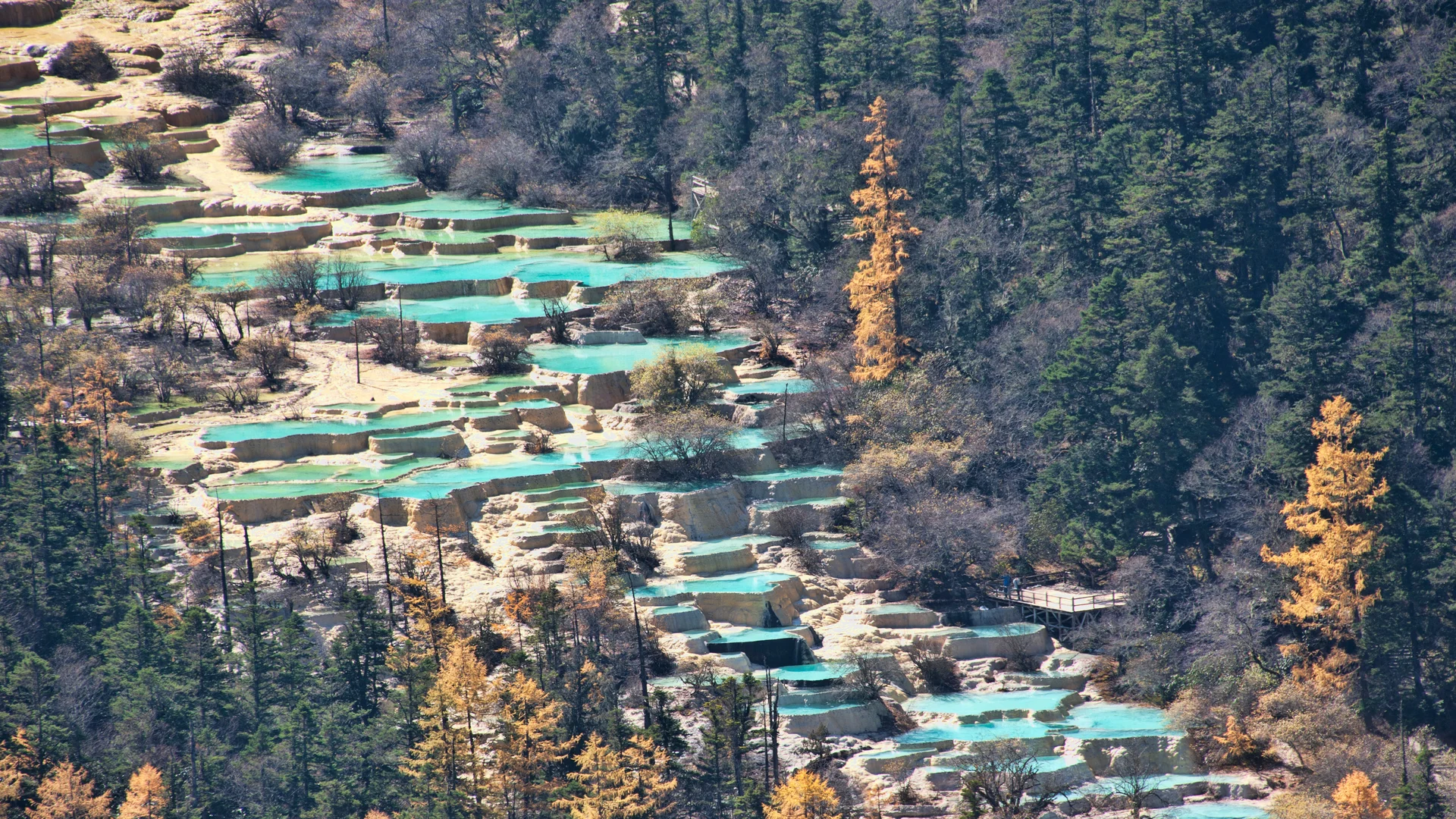 sichuan
 Huanglong — The Travertine Valley That Needs Altitude Discipline, Not Only Postcard Expectations
黄龙 · Huanglong
A practical guide to Huanglong for travelers deciding whether this high-altitude travertine valley deserves a dedicated stop, with practical notes on altitude, pace, and why Huanglong works best as a disciplined natural-heritage day rather than as a quick rainbow-pool checklist.
- sichuan
- June to October
- Moderate
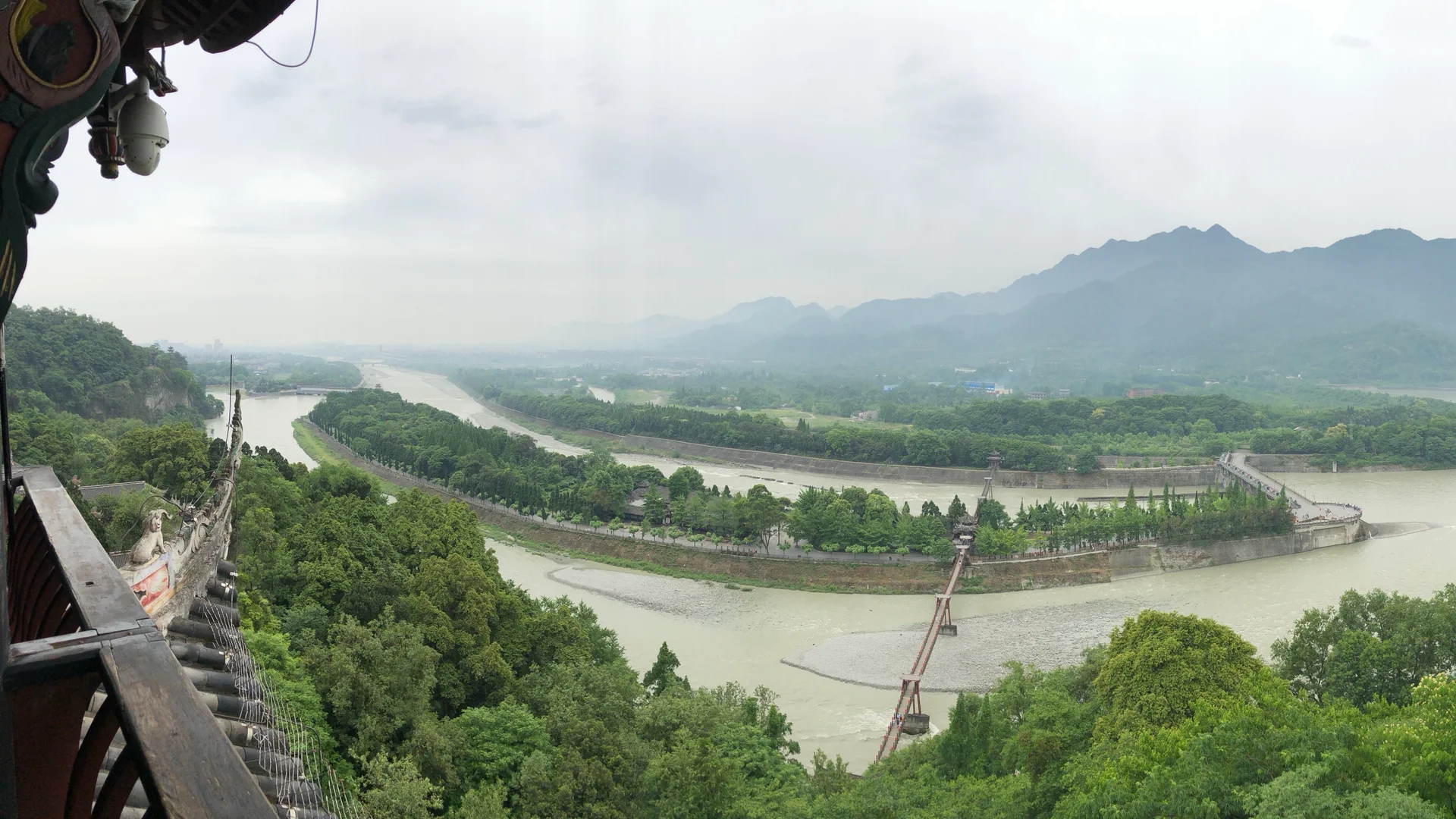 sichuan
 Dujiangyan — The Sichuan Waterwork That Still Works Because Engineering Becomes Landscape
都江堰 · Dujiangyan
A practical guide to Dujiangyan for travelers deciding whether this Sichuan water-engineering world-heritage site deserves focused time, with practical notes on route reading, hydraulic logic, and why Dujiangyan works best as living infrastructure rather than as a dead ruin.
- sichuan
- March to June and September to November
- Easy
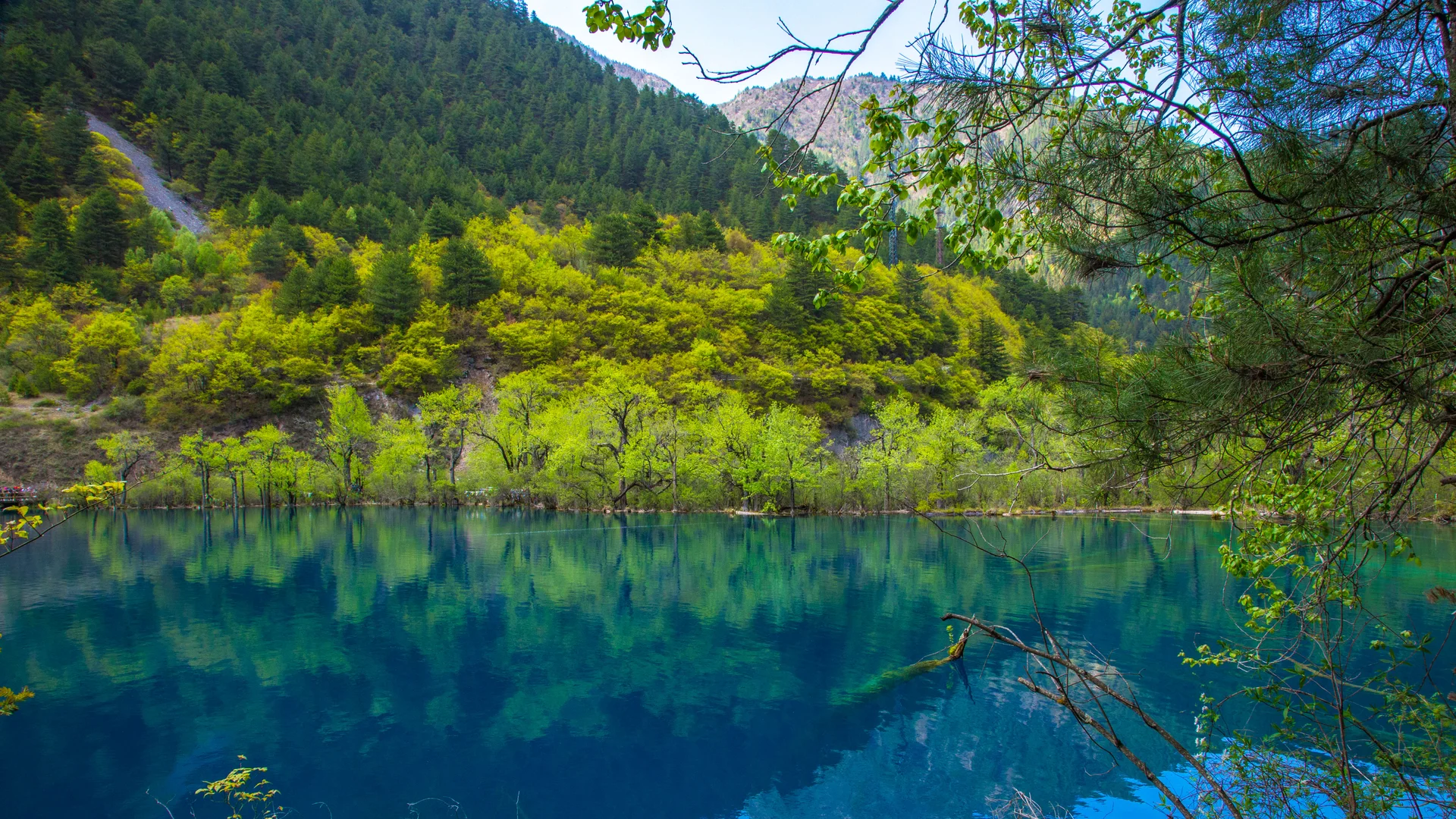 sichuan
 Dreamlike Jiuzhaigou - Blue Lakes, Waterfalls, And Alpine Quiet
九寨沟 · Jiuzhaigou
A grounded guide to Jiuzhaigou for travelers drawn by blue lakes and waterfalls, with practical notes on conservation rules, park shuttles, weather, altitude, and what to confirm before visiting.
- sichuan
- September to November, with spring and early summer as calmer alternatives
- Moderate