Quick facts
What to know before you go
Lhasa City Route — The High-Altitude Capital Where Streets, Pilgrimage, And Monument Scale Still Hold Together is a curated China Hidden Gems destination in Tibet, selected for travelers who want the place, timing, effort, and logistics in one scan.
- Administrative location
- Lhasa, Tibet
- Chinese name
- 拉萨 · Lasa
- Best season
- May to October
- Difficulty
- Easy
- Time needed
- 1 day
- Typical cost
- $$
- Getting there
- Treat Lhasa as a high-altitude city route with walking order and physical pacing, not as a one-monument stop.
Editorial briefing
Why this place works
A practical guide to Lhasa for travelers deciding how to structure the city's core route, with practical notes on Potala, Jokhang, Barkhor, altitude pacing, and why Lhasa works best when treated as a ritual and urban sequence instead of a one-monument stop.
Why go
- A practical guide to Lhasa for travelers deciding how to structure the city's core route, with practical notes on Potala, Jokhang, Barkhor, altitude pacing, and why Lhasa works best when treated as a ritual and urban sequence instead of a one-monument stop.
- Lhasa City Route — The High-Altitude Capital Where Streets, Pilgrimage, And Monument Scale Still Hold Together gives travelers a concrete reason to plan around Lhasa, tibet, not just a generic first-trip city list.
- It is strongest for city, heritage, pilgrimage, with enough practical context to compare timing, difficulty, and onward route fit.
Turn this into a trip
Save Lhasa City Route — The High-Altitude Capital Where Streets, Pilgrimage, And Monument Scale Still Hold Together, then plan around it.
Keep this gem on your device, open it in your bucket list, or start a planner draft with the destination already filled in.
Professional route review
Already combining Lhasa City Route — The High-Altitude Capital Where Streets, Pilgrimage, And Monument Scale Still Hold Together with other stops?
A Route Reality Check reviews pace, obvious cross-city handoffs, and preparation risks in the route you already built.
No booking, visa service, supplier packaging, funds handling, guarantee, or on-trip support.
Application-based Beta
$29
48-72 hours after acceptance, payment confirmation, and receipt of the complete route.
Review the application boundaryTrip planning intake
Ask whether Lhasa City Route — The High-Altitude Capital Where Streets, Pilgrimage, And Monument Scale Still Hold Together fits your route.
This is a lightweight planning signal, not an instant concierge. Leave your trip context and a real question, and the team can reply manually after review.
Story visuals
Lhasa City Route — The High-Altitude Capital Where Streets, Pilgrimage, And Monument Scale Still Hold Together
The High-Altitude Capital That Gets Better Once You Stop Treating It As One Monument
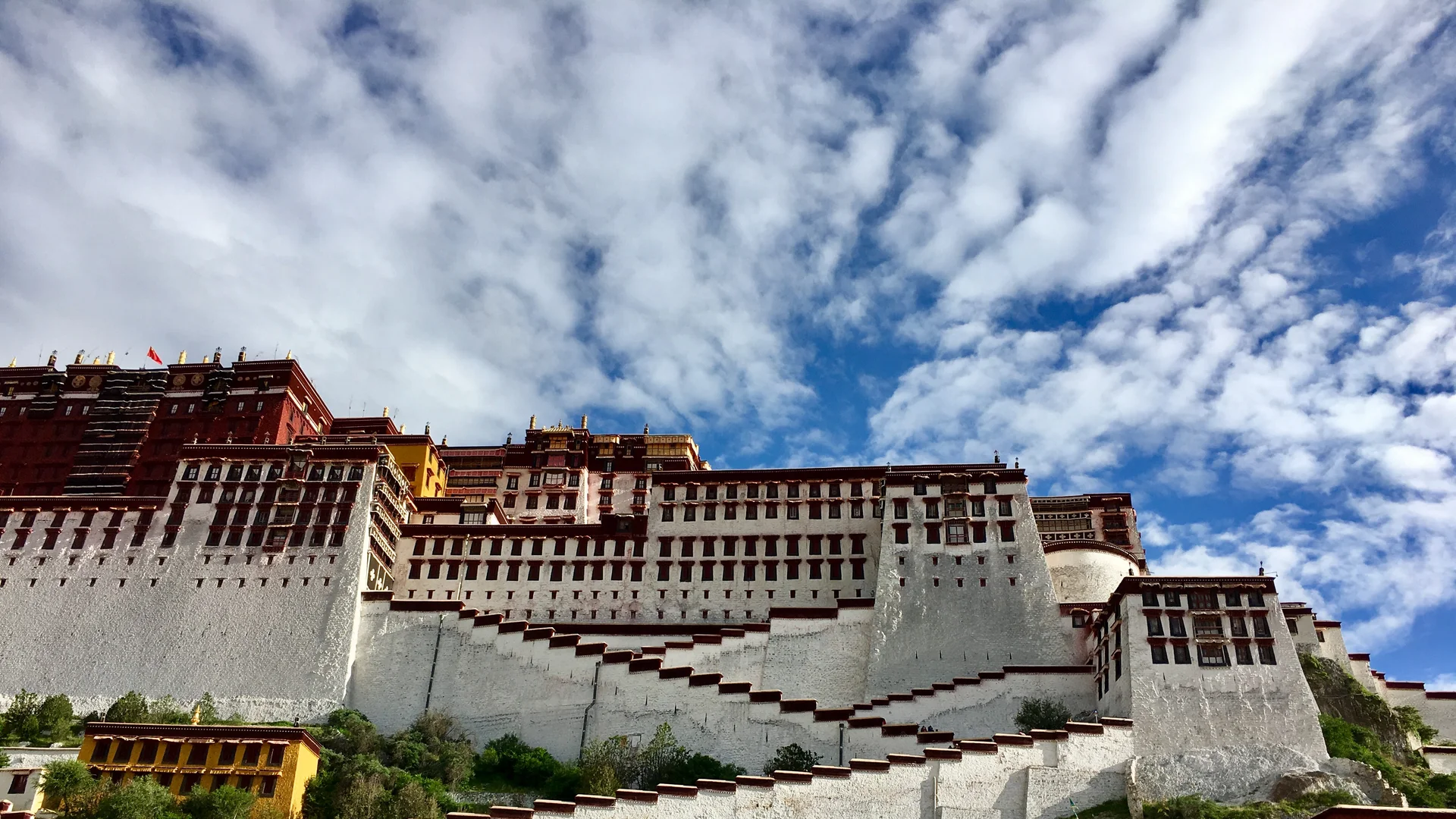
Lhasa is easy to reduce to the Potala Palace. The palace is so visually dominant that many first-time visitors let it consume the city in advance. That is understandable, but it weakens the route. Lhasa works because monument scale, pilgrimage rhythm, and daily street movement still hold together. Potala matters. Jokhang matters. Barkhor matters. But the city becomes truly legible only when those elements are allowed to operate as one high-altitude urban sequence.
That distinction matters because capital cities with major monuments often become checklist traps. Travelers collect facades, then leave without understanding how the streets carry the place. A serious page should protect the opposite. It should help the traveler move through Lhasa as a city whose ritual tempo and urban life still shape the meaning of its landmarks.
Why It Works
First, Lhasa has immediate symbolic force. Potala and Jokhang do not need help explaining why the city matters. Their scale, elevation, and cultural weight make the destination instantly legible in discovery mode.
Second, it works because the city still has a route logic that can be felt on foot. Barkhor is not just an accessory to the monuments. It is the movement tissue that makes the city cohere. A strong page should let the traveler understand that the city is not only about seeing buildings, but also about moving with and around them.
Third, Lhasa adds a form of urban intensity that no lake, mountain, or grassland page can replace. It is not an escape from the plateau. It is the plateau made urban. That makes it an essential counterweight inside the broader western destination pool.
How To Shape The Day
Start by deciding whether the route is monument-first or city-first. Monument-first can still work, but it tends to make the day feel rigid and overexposed. City-first usually produces a richer read because the traveler reaches the monuments through urban texture instead of treating the city as empty space between them.
The second decision is altitude pacing. Lhasa is not only a beautiful route problem. It is a physical one. Even travelers who adapt well should treat the city with more patience than they would a lowland capital. That does not mean fear. It means respecting that steps, time, and sequencing matter more here.
The third decision is how much ritual movement to foreground. Barkhor and the life around Jokhang should not be treated as decorative local color. They are central to why the city still feels alive rather than only monumental. A premium page should reflect that with clarity and restraint.
A fourth decision is whether the day wants prestige or rhythm. Potala gives prestige immediately. Barkhor and the Jokhang zone give rhythm. The strongest route protects both. If the itinerary leans too hard toward prestige alone, the city can become thinner than it deserves.
A fifth decision is what not to overpack. Lhasa can look smaller on paper than it feels at altitude. The route becomes better when the traveler leaves room between anchors and accepts that physical margin is part of what keeps the city coherent.
What To Prioritize
Prioritize order. Lhasa is not difficult to recognize, but it is easy to sequence badly. A well-shaped route lets altitude, streets, temples, and sightlines build on one another instead of forcing everything into one overloaded block.
The page should also prioritize respect. That does not mean turning the writing solemn. It means refusing to flatten lived religious movement into spectacle. The city is richer when the page describes what is happening clearly and without reducing people to background.
It is also worth prioritizing street continuity. Potala and Jokhang are stronger when the traveler feels the city between them. That connective tissue is not filler. It is what turns Lhasa from a monument collection into a city route.
A final priority is restraint. The city carries enough cultural and visual weight already. The page becomes more useful when it chooses sequence over overload and rhythm over prestige-hoarding. That restraint is part of why a city route can still feel human at altitude. It also helps the traveler breathe inside the city. Gently.
Who Should Save It
Save Lhasa City Route if you want one high-altitude city whose power comes from the overlap between monumental scale and everyday urban rhythm. It is especially strong for travelers who like cities that remain legible through walking and who understand that street movement can matter as much as iconic facades.
It is weaker for travelers who only want a fast palace photo or who are unwilling to slow down for altitude and route sequence. Lhasa rewards attention, not speed.
What To Confirm Before You Go
Before finalizing the route, confirm how altitude is likely to shape the day, whether you want a monument-weighted route or a street-weighted one, and how much time can be given to moving between the city's anchors. The honest promise is simple: Lhasa is worth it when the traveler lets streets, pilgrimage rhythm, and monument scale work together instead of chasing one dominant image.
How To Use This Page In The Tools
Lhasa City Route should hand off to planning as a sequence-and-altitude problem: build one city day around Potala, Jokhang, Barkhor, and enough physical margin for the route to feel coherent rather than overpacked.
Traveler actions
Save, check in, share, and help other travelers judge whether this place is worth the trip.
Traveler Comments
Share your Lhasa City Route — The High-Altitude Capital Where Streets, Pilgrimage, And Monument Scale Still Hold Together experience
Continue exploring
More in tibet
View all →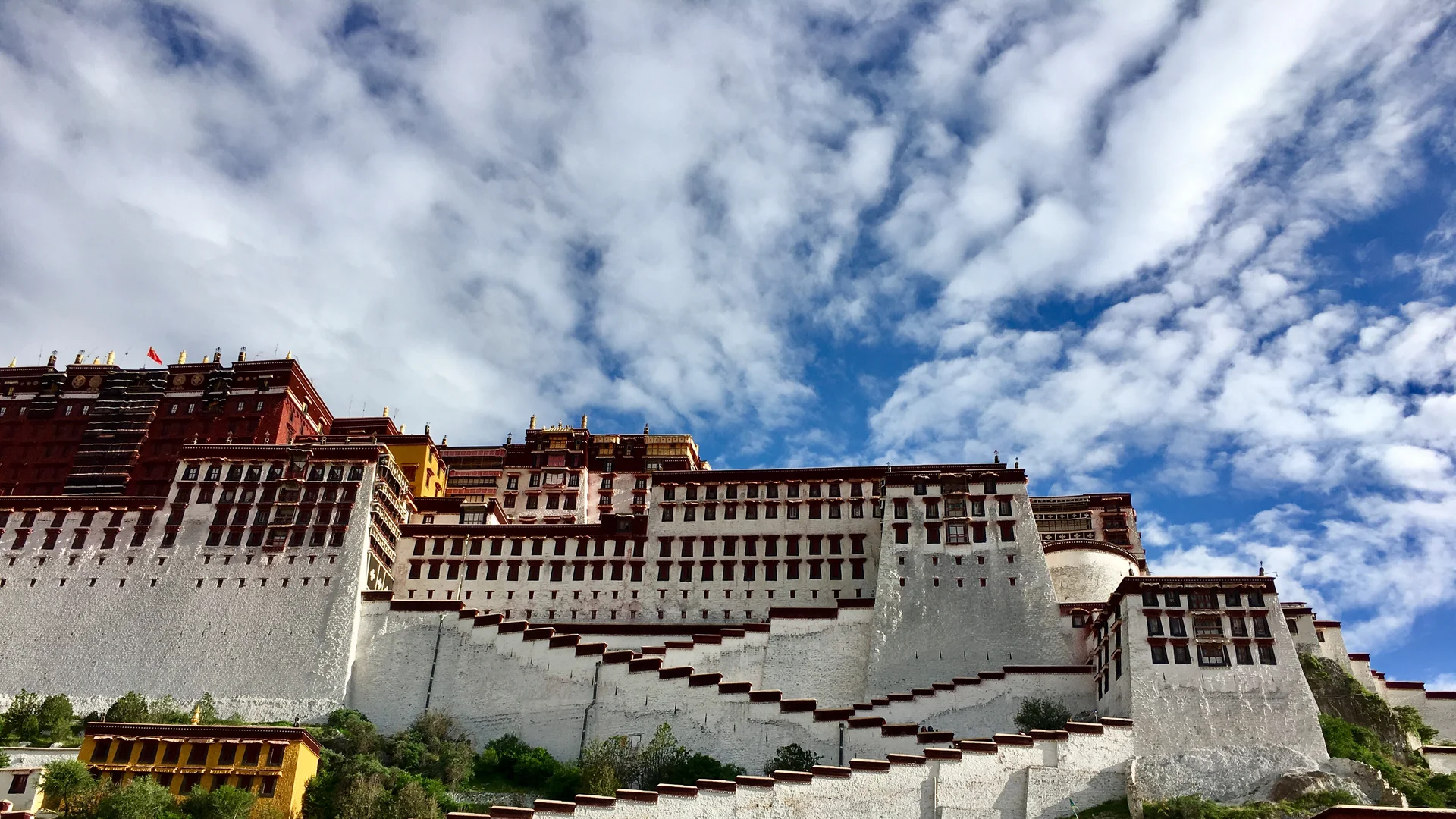 tibet
tibet Potala Palace — The Tibet Landmark That Still Works Through Scale, Altitude, And State-Sacred Theatre
布达拉宫 · Budala Gong
A practical guide to Potala Palace for travelers deciding whether Tibet's best-known landmark deserves focused time, with practical notes on symbolism, altitude, and why the site works best through exterior reading and urban placement rather than through room-by-room palace expectations.
- tibet
- May to October
- Easy
 tibet
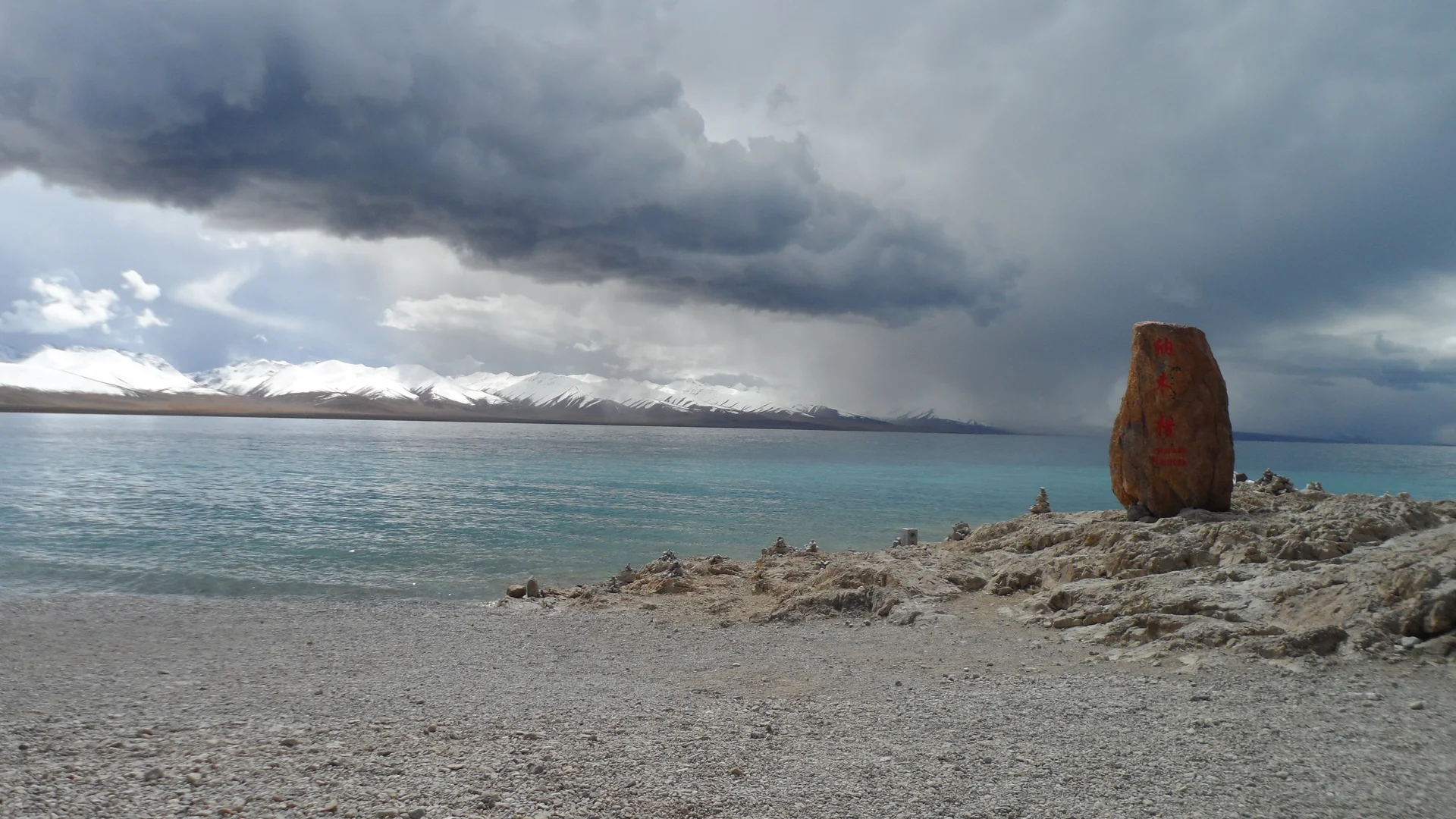
tibet Namtso Lake — The High-Altitude Blue That Only Works If You Respect Pace And Weather
纳木错 · Namtso
A practical guide to Namtso Lake for travelers deciding whether the road, altitude, and open shoreline are worth the outing, with practical notes on weather, pacing, exposure, and why this Tibetan lake works best when it is treated as a full route rather than a quick postcard stop.
- tibet
- June to September
- Moderate