Quick facts
What to know before you go
Potala Palace — The Tibet Landmark That Still Works Through Scale, Altitude, And State-Sacred Theatre is a curated China Hidden Gems destination in Tibet, selected for travelers who want the place, timing, effort, and logistics in one scan.
- Administrative location
- Lhasa, Tibet
- Chinese name
- 布达拉宫 · Budala Gong
- Best season
- May to October
- Difficulty
- Easy
- Time needed
- 2-4 hours
- Typical cost
- $$
- Getting there
- Treat Potala as a focused symbolic landmark stop where altitude, pacing, and urban context matter more than trying to extract every possible interior detail.
Official planning links
Editorial briefing
Why this place works
A practical guide to Potala Palace for travelers deciding whether Tibet's best-known landmark deserves focused time, with practical notes on symbolism, altitude, and why the site works best through exterior reading and urban placement rather than through room-by-room palace expectations.
Why go
- A practical guide to Potala Palace for travelers deciding whether Tibet's best-known landmark deserves focused time, with practical notes on symbolism, altitude, and why the site works best through exterior reading and urban placement rather than through room-by-room palace expectations.
- Potala Palace — The Tibet Landmark That Still Works Through Scale, Altitude, And State-Sacred Theatre gives travelers a concrete reason to plan around Lhasa, tibet, not just a generic first-trip city list.
- It is strongest for palace, tibet, lhasa, with enough practical context to compare timing, difficulty, and onward route fit.
Turn this into a trip
Save Potala Palace — The Tibet Landmark That Still Works Through Scale, Altitude, And State-Sacred Theatre, then plan around it.
Keep this gem on your device, open it in your bucket list, or start a planner draft with the destination already filled in.
Professional route review
Already combining Potala Palace — The Tibet Landmark That Still Works Through Scale, Altitude, And State-Sacred Theatre with other stops?
A Route Reality Check reviews pace, obvious cross-city handoffs, and preparation risks in the route you already built.
No booking, visa service, supplier packaging, funds handling, guarantee, or on-trip support.
Application-based Beta
$29
48-72 hours after acceptance, payment confirmation, and receipt of the complete route.
Review the application boundaryTrip planning intake
Ask whether Potala Palace — The Tibet Landmark That Still Works Through Scale, Altitude, And State-Sacred Theatre fits your route.
This is a lightweight planning signal, not an instant concierge. Leave your trip context and a real question, and the team can reply manually after review.
Story visuals
Potala Palace — The Tibet Landmark That Still Works Through Scale, Altitude, And State-Sacred Theatre
The Palace That Works Because It Dominates More Than It Reveals
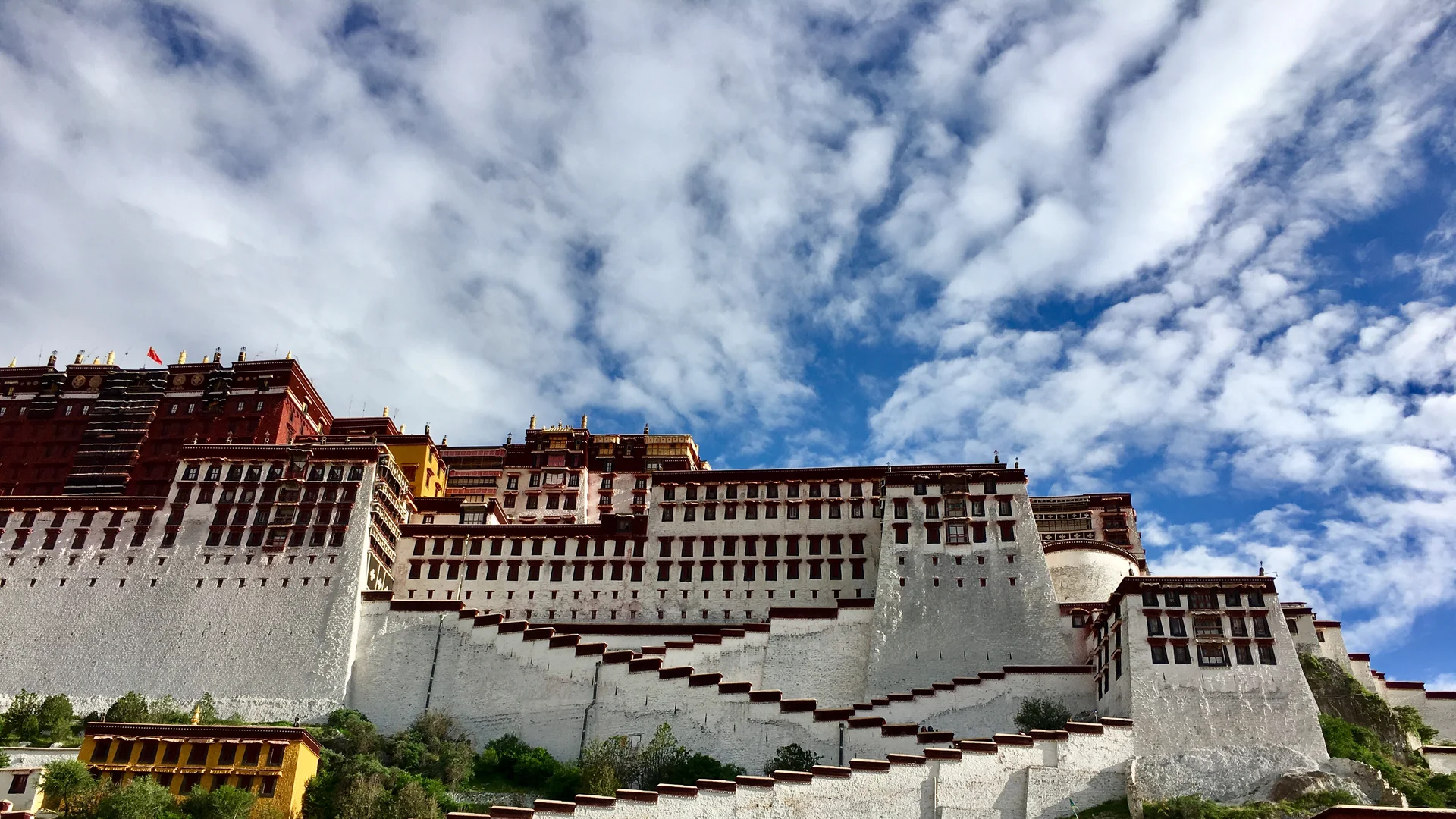
Potala Palace is one of those destinations that almost risks being too famous to evaluate properly. The building arrives in the mind before the traveler does. Its façade, scale, and hilltop position are already so deeply embedded in visual memory that some visitors unconsciously reduce the stop to confirmation. That is a mistake. Potala still works, but not mainly because it offers some hidden surprise inside. It works because it remains one of the clearest examples anywhere of architecture performing political, spiritual, and topographic dominance all at once.
That distinction matters because travelers often bring the wrong template. If they expect a palace to behave like a leisurely museum complex with deeply satisfying room-by-room exploration, they may miss the point. Potala is stronger when approached through exterior reading, altitude, and city relationship. The building does not merely contain meaning. It projects it. The mountain-like mass, the climb, the façade layers, and the overwhelming position above Lhasa are the experience.
This is why Potala belongs in the Tibet pool even after the Lhasa route and Namtso. Namtso gives Tibet open atmospheric scale. The city route gives orientation and urban layering. Potala adds concentrated symbolic gravity. It is the page that says Tibet can still be represented through one intensely legible built form without collapsing into cliché.
Why It Works
First, Potala has undeniable visual authority. Many iconic buildings rely on context or marketing more than they should. Potala does not have that weakness. The structure remains overwhelmingly legible in person. Height, massing, and hill placement combine into an architectural statement that still feels extraordinary.
Second, the palace gains power from altitude and approach. Potala is not simply observed. It is confronted. The body feels the climb, the site feels elevated above ordinary civic scale, and the building's authority becomes more physical than a photograph can fully explain. That embodied aspect matters.
Third, the site delivers symbolic density efficiently. Travelers do not need to memorize every historical layer to sense that Potala is carrying both sacred and state significance. That makes it useful in itinerary design: even relatively short exposure can produce a strong memory and a coherent understanding of why the landmark matters.
A fourth reason it works is that the wider city enhances rather than dilutes it. Potala is stronger when read in relation to Lhasa below. The palace is not floating outside the city. It stands over it, and that vertical relationship is part of the destination's meaning.
How To Shape The Visit
Start by deciding whether your Potala stop is symbol-first or palace-first. Symbol-first is the stronger approach. If you come to understand why the building dominates the city and the imagination, the site usually makes more sense than if you arrive demanding an interior-heavy palace experience.
The second decision is physical pacing. Altitude and movement matter here. Even if the visitor is not attempting a difficult mountain route, this is not a zero-body stop. The page should help travelers arrive with realistic expectations about energy and pace.
The third decision is how much urban context you want to preserve. Potala is most convincing when the palace remains linked to Lhasa as lived city and spiritual-political center. The page should not strip the landmark out of that context and present it as an isolated object.
A fourth decision is expectation discipline around access and interior depth. Some travelers will still want the inside to do as much work as the exterior. The page should gently correct that. Potala's real strength is often already present before you cross the threshold.
What To Prioritize
Prioritize exterior reading. Potala's form and setting are the core argument.
Prioritize altitude and pacing too. Physical relationship to the site changes how it lands.
It is also worth prioritizing the city-palette context around the palace. The building is more meaningful as part of a larger urban and symbolic landscape.
A final priority is keeping the promise honest. Potala is not best sold as a leisurely interior palace experience. It is a dominating landmark first.
What Can Go Wrong
The first mistake is expecting interior detail to carry the whole destination.
Another mistake is stripping Potala out of its relationship to Lhasa and reading it only as an isolated façade.
The third mistake is underestimating how much altitude and approach affect the stop.
Who Should Save It
Save Potala Palace if you care about major world icons, sacred-state architecture, and destinations whose force comes from scale and symbolic projection. It is especially strong for travelers who want a Tibet page with immediate visual and historical weight.
It is weaker for travelers who only enjoy intimate heritage detail or who dislike highly iconic sites. Potala is worth it when the traveler is willing to let form, position, and meaning carry the visit.
What To Confirm Before You Go
Before finalizing the stop, be honest about altitude and energy, decide how much symbolic framing you actually want, and avoid expecting the palace to behave like a museum-first interior monument. It also helps to judge the palace at more than one distance, because the shift from city-scale mass to near-façade detail is part of what gives the site its unusual authority. The honest promise is simple: Potala is rewarding when you approach it as a hilltop structure of concentrated authority, not as a palace asked to reveal everything from the inside out.
Traveler actions
Save, check in, share, and help other travelers judge whether this place is worth the trip.
Traveler Comments
Share your Potala Palace — The Tibet Landmark That Still Works Through Scale, Altitude, And State-Sacred Theatre experience
Continue exploring
More in tibet
View all →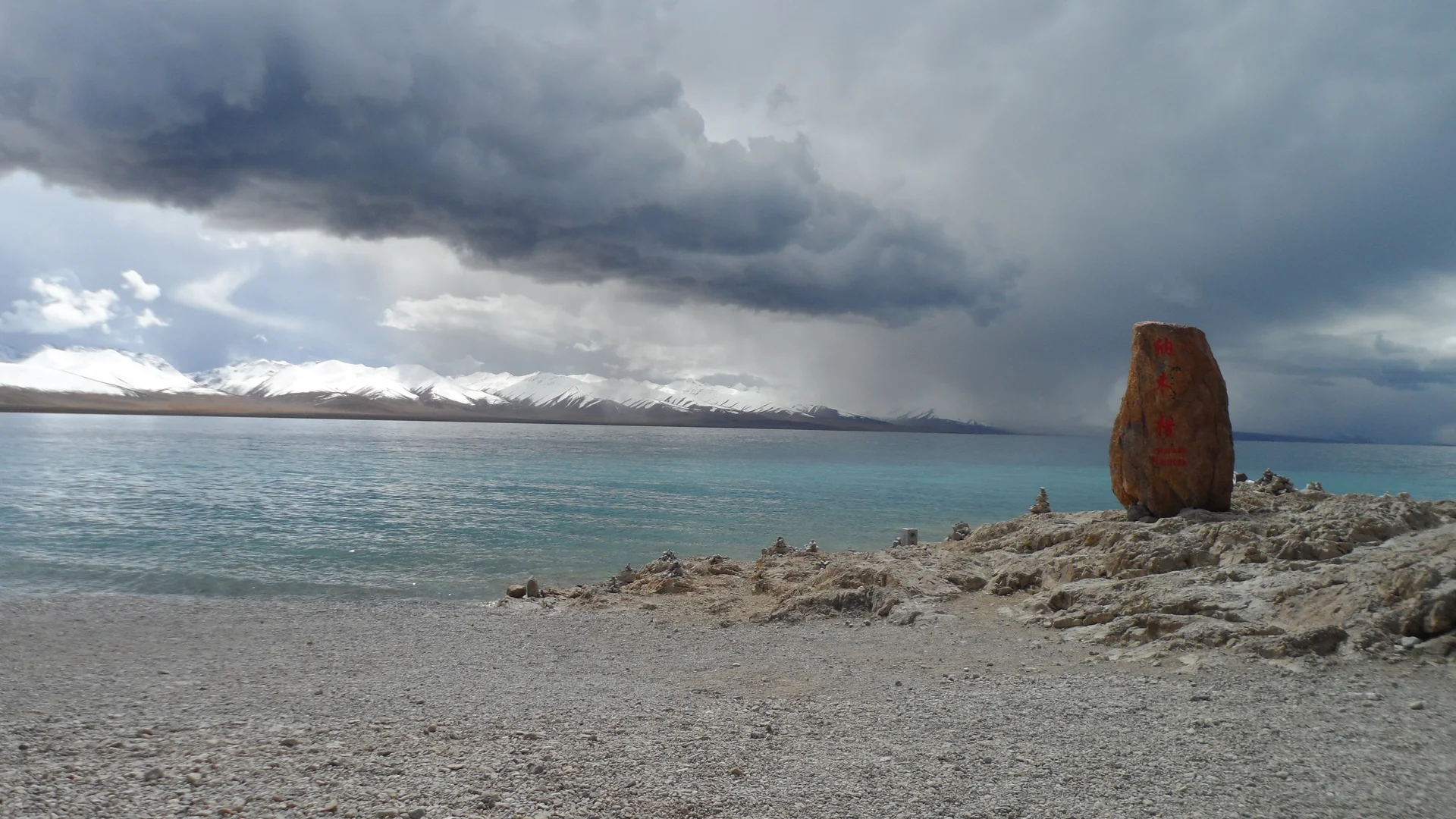 tibet
tibet Namtso Lake — The High-Altitude Blue That Only Works If You Respect Pace And Weather
纳木错 · Namtso
A practical guide to Namtso Lake for travelers deciding whether the road, altitude, and open shoreline are worth the outing, with practical notes on weather, pacing, exposure, and why this Tibetan lake works best when it is treated as a full route rather than a quick postcard stop.
- tibet
- June to September
- Moderate
 tibet
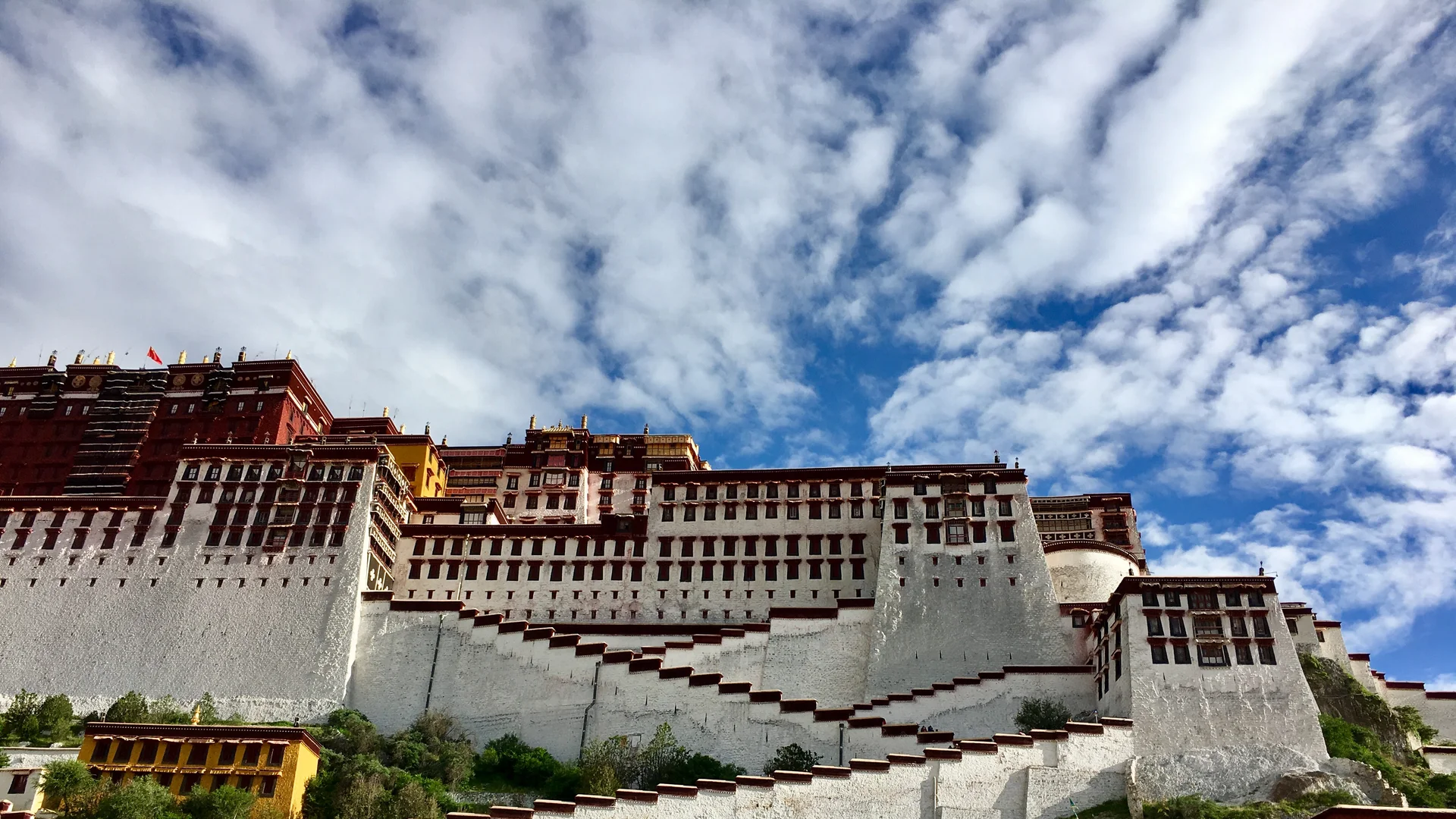
tibet Lhasa City Route — The High-Altitude Capital Where Streets, Pilgrimage, And Monument Scale Still Hold Together
拉萨 · Lasa
A practical guide to Lhasa for travelers deciding how to structure the city's core route, with practical notes on Potala, Jokhang, Barkhor, altitude pacing, and why Lhasa works best when treated as a ritual and urban sequence instead of a one-monument stop.
- tibet
- May to October
- Easy