Quick facts
What to know before you go
Taroko Gorge — The Marble Canyon Route That Now Demands Flexibility, Not Box-Ticking is a curated China Hidden Gems destination in Taiwan, selected for travelers who want the place, timing, effort, and logistics in one scan.
- Administrative location
- Hualien, Taiwan
- Chinese name
- 太鲁阁峡谷 · Taroko Gorge
- Best season
- October to April
- Difficulty
- Easy
- Time needed
- Full day
- Typical cost
- $$
- Getting there
- Treat Taroko as a route built around current official road and scenic-spot status rather than as a fixed historical checklist.
Editorial briefing
Why this place works
A practical guide to Taroko Gorge for travelers deciding whether Taiwan’s most famous marble canyon still deserves a dedicated detour, with practical notes on current route flexibility, official status checks, and why Taroko now works best as a geology-led day rather than an old fixed checklist.
Why go
- A practical guide to Taroko Gorge for travelers deciding whether Taiwan’s most famous marble canyon still deserves a dedicated detour, with practical notes on current route flexibility, official status checks, and why Taroko now works best as a geology-led day rather than an old fixed checklist.
- Taroko Gorge — The Marble Canyon Route That Now Demands Flexibility, Not Box-Ticking gives travelers a concrete reason to plan around Hualien, taiwan, not just a generic first-trip city list.
- It is strongest for canyon, geology, marble, with enough practical context to compare timing, difficulty, and onward route fit.
Turn this into a trip
Save Taroko Gorge — The Marble Canyon Route That Now Demands Flexibility, Not Box-Ticking, then plan around it.
Keep this gem on your device, open it in your bucket list, or start a planner draft with the destination already filled in.
Professional route review
Already combining Taroko Gorge — The Marble Canyon Route That Now Demands Flexibility, Not Box-Ticking with other stops?
A Route Reality Check reviews pace, obvious cross-city handoffs, and preparation risks in the route you already built.
No booking, visa service, supplier packaging, funds handling, guarantee, or on-trip support.
Application-based Beta
$29
48-72 hours after acceptance, payment confirmation, and receipt of the complete route.
Review the application boundaryTrip planning intake
Ask whether Taroko Gorge — The Marble Canyon Route That Now Demands Flexibility, Not Box-Ticking fits your route.
This is a lightweight planning signal, not an instant concierge. Leave your trip context and a real question, and the team can reply manually after review.
Story visuals
Taroko Gorge — The Marble Canyon Route That Now Demands Flexibility, Not Box-Ticking
The Gorge Is Still Powerful, But The Old Script Is Gone
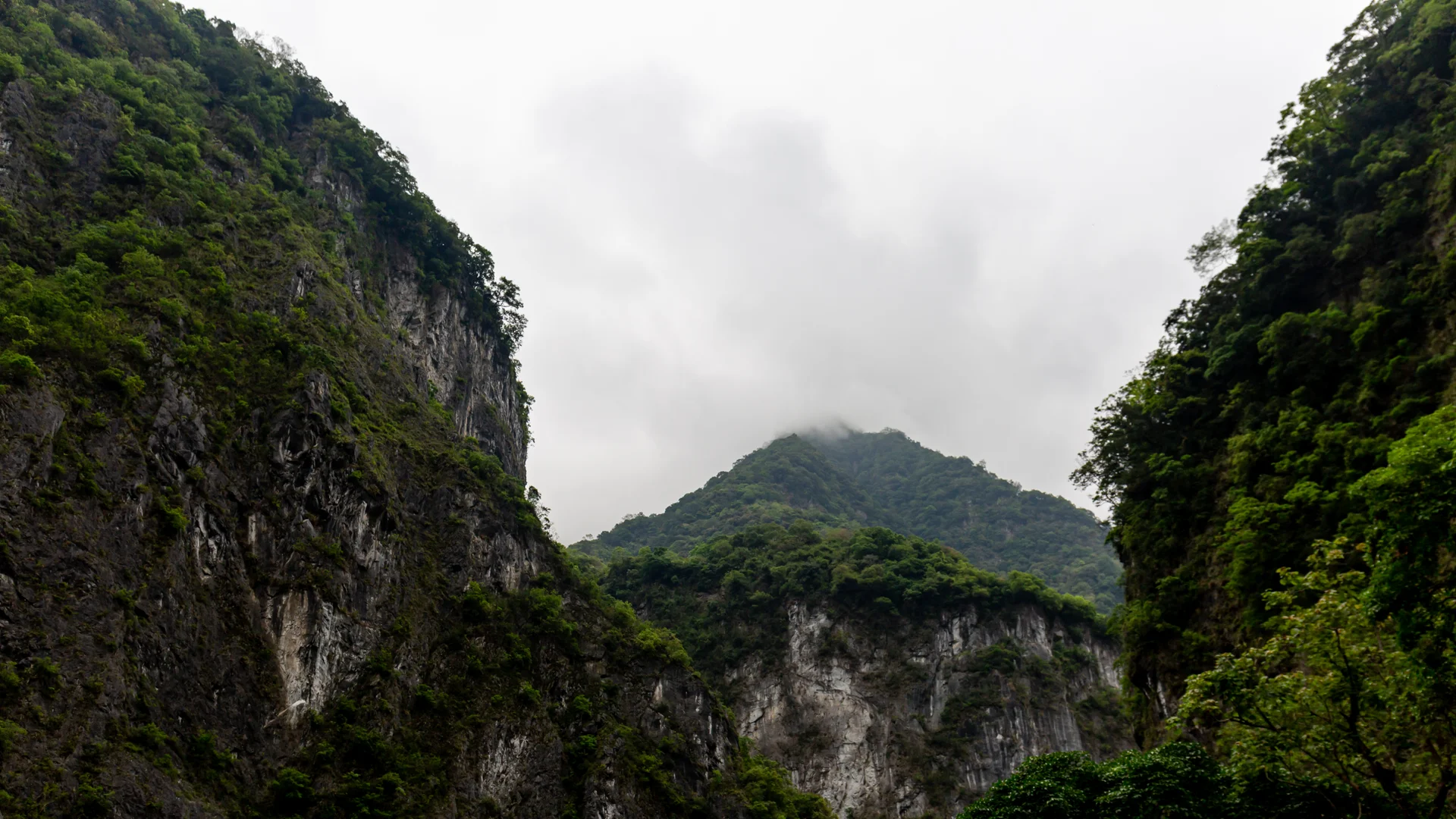
Taroko remains one of East Asia’s most visually convincing canyon routes, but the right page in 2026 cannot pretend the old fixed script still applies. Official park surfaces continue to show multiple classic scenic spots and trails marked as temporarily closed due to earthquake damage. That does not erase Taroko’s value. It changes the kind of traveler the route now rewards.
A premium page should start there, not hide it in a footnote. Taroko is still worth serious attention because the marble walls, river force, and gorge scale remain extraordinary. What has changed is the planning logic. The destination now belongs to travelers who can build around current official conditions rather than demanding a guaranteed replay of pre-damage highlight lists.
That shift actually sharpens the page if handled properly. Instead of selling Taroko as a box-ticking collection of named stops, the better move is to treat it as a flexible canyon route led by geology, weather, and access. The gorge itself remains the main event. The question is no longer how many famous segments you can cram into one day. The question is how well you can read the landscape while respecting the route that is actually open.
Why It Still Works
First, Taroko’s physical force does not depend on one single viewpoint. The gorge is persuasive because marble walls, compressed road lines, river erosion, bridge crossings, and abrupt vertical scale all belong to the same geological system. Even when some classic pieces of the old visitor circuit are unavailable, the canyon still communicates strongly.
Second, the destination has become more honest for the right kind of traveler. In its old fully checklist-driven form, some visitors treated Taroko as a collection of mandatory stops rather than as a canyon environment. Current conditions force a more flexible reading. That is not inherently worse. For some travelers, it is actually better, because the geology and route logic become easier to see once rigid expectation starts to loosen.
Third, Taroko remains important in the Taiwan portfolio because there is nothing else quite like it. Sun Moon Lake, Alishan, and Taipei each work through completely different spatial logic. Taroko is the island’s clearest large-scale marble canyon page. It still deserves a place in the product as long as the page is honest about what kind of planning it requires now.
How To Shape The Day
Start by checking the official park surface before locking anything. This is not optional. Taroko is no longer a destination where old screenshots, generic blogs, or outdated checklist itineraries can be trusted. The official scenic-spots and park pages are part of the route-planning workflow itself.
The second decision is whether you are comfortable with a flexible day rather than a fixed trophy list. If the answer is no, Taroko may not be the right pick for this trip. If the answer is yes, the page becomes much more useful. It can help you think in terms of current route windows, canyon atmosphere, entry points, and realistic pacing instead of chasing a frozen version of the park.
The third decision is whether your priority is geology or completion. Completion is fragile right now. Geology is not. Travelers who want to understand Taroko as a marble canyon formed by compression, uplift, and river force can still have a serious day here. Travelers who only want to say they checked every iconic stop may struggle with the current reality.
A fourth decision is where to spend your attention. The official gateway and currently accessible sections matter more than mythical “must-sees” inherited from older travel culture. A good Taroko day now comes from accepting the route you have, not the route you wish you had.
What To Prioritize
Prioritize official information and same-day flexibility. This is the most important planning rule. Taroko is still one of those places where conditions can materially change the character of the visit.
Prioritize canyon reading as well. The gorge is strongest when the traveler notices the conversation between river, cliff, marble, road, and scale. If you reduce the day to a closed-versus-open scorecard, the destination becomes thinner than it needs to be.
It is also worth prioritizing emotional fit. Taroko is no longer best for travelers who need guaranteed smooth checklist satisfaction. It is better for travelers who can accept that current access is part of the truth of the place right now. That acceptance makes the experience more grounded, not less valuable.
A final priority is plain language. The page should not dramatize recovery into adventure marketing, nor should it pretend everything is back to normal. Trust comes from precision: Taroko remains remarkable, but the route must be built around current official conditions and a willingness to adapt.
What Can Go Wrong
The first mistake is relying on outdated planning. This is the easiest way to turn Taroko into a frustrating day. Old blog posts, old social clips, and old “top stops” lists can mislead travelers fast when route conditions change.
The second mistake is treating closures as proof that the destination is no longer worth doing. That conclusion is too blunt. Taroko still has canyon force and geological clarity. What disappears is the convenience of a rigid sightseeing script.
The third mistake is underestimating how much mood matters. Taroko is one of those places where cloud, light, river color, and traffic conditions all shape memory. Travelers who only think in terms of point collection often miss what the gorge is still offering.
Who Should Save It
Save Taroko Gorge if you care about marble canyon scale, if you can plan flexibly, and if you are comfortable letting current official conditions determine the exact shape of the day. It is especially strong for travelers who want a Taiwan geology page more than they want an inflexible hit list.
It is weaker for travelers who need guaranteed access to every classic highlight, dislike route uncertainty, or are trying to minimize planning friction at all costs. Taroko is still worth it, but only if the traveler accepts that flexibility is now part of the product.
What To Confirm Before You Go
Before locking the trip, confirm current official scenic-spot status, think in terms of accessible route quality rather than old checklist completion, and decide whether your expectations fit a recovery-sensitive canyon day. The honest promise is simple: Taroko is still extraordinary when you visit the gorge that exists today instead of chasing a version that may not currently be available.
Traveler actions
Save, check in, share, and help other travelers judge whether this place is worth the trip.
Traveler Comments
Share your Taroko Gorge — The Marble Canyon Route That Now Demands Flexibility, Not Box-Ticking experience
Continue exploring
More in taiwan
View all →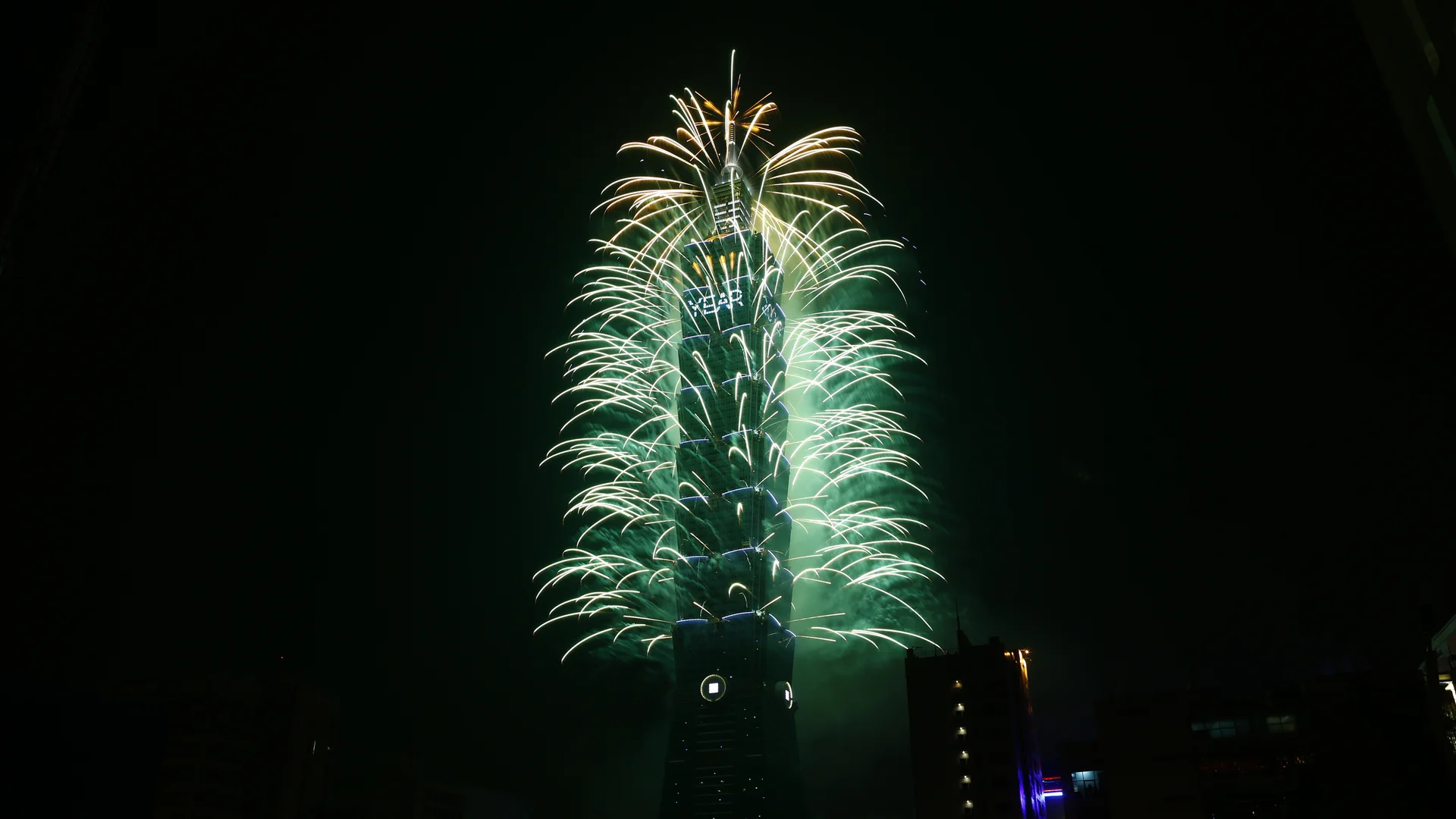 taiwan
 Taipei 101 — The Taiwan Tower That Still Works Because Height Becomes Urban Theatre
台北101 · Taibei 101
A practical guide to Taipei 101 for travelers deciding whether Taiwan's signature tower deserves more than a quick skyline proof, with practical notes on observatory timing, district context, and why the stop works best as vertical-city theatre rather than as an isolated object.
- taiwan
- October to December
- Easy
 taiwan
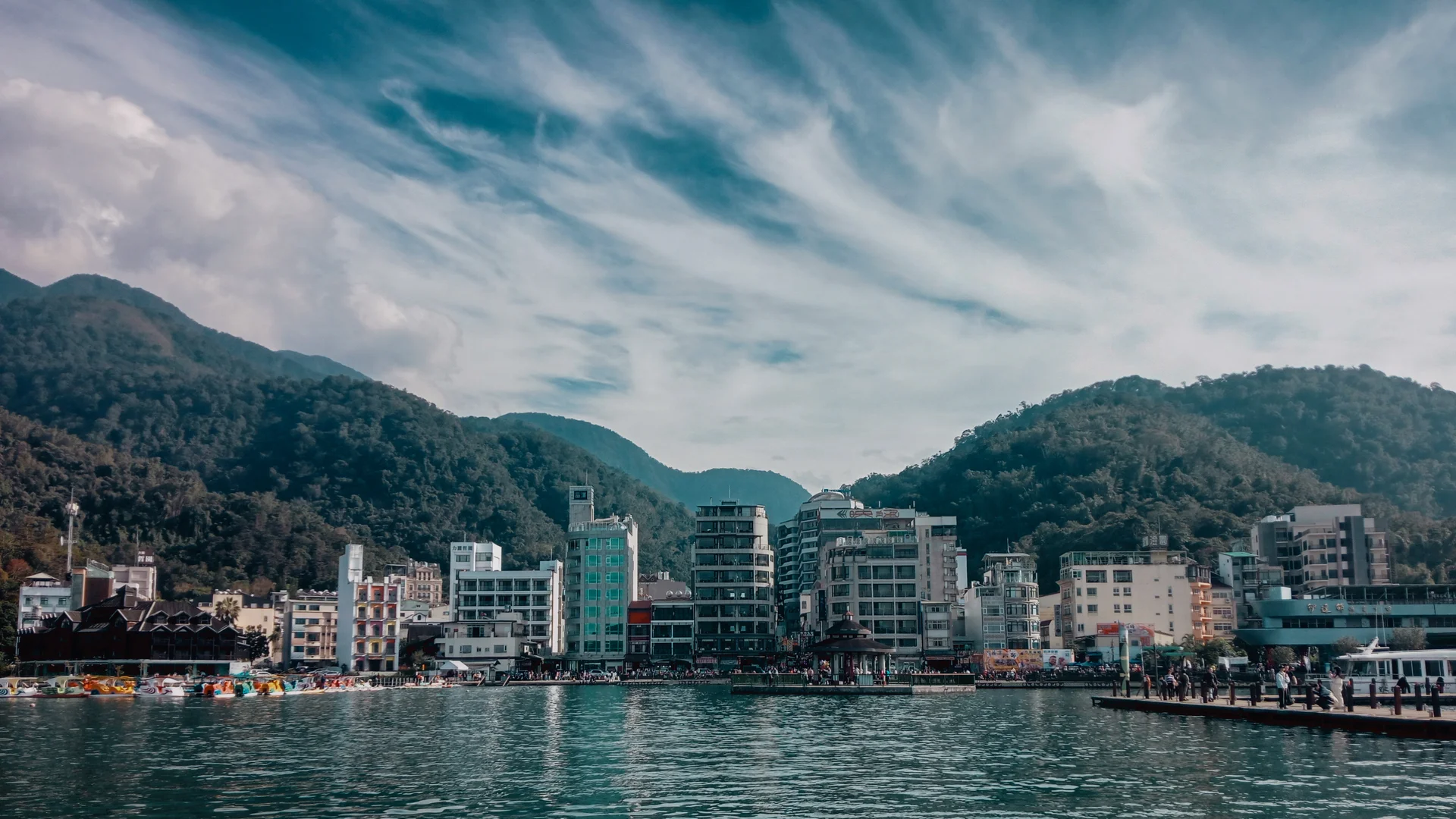
 Sun Moon Lake — The Taiwan Lake Circuit That Rewards Water, Pier, And Ropeway Rhythm
日月潭 · Riyue Tan
A practical guide to Sun Moon Lake for travelers deciding whether Taiwan's most famous lake is worth real route time, with practical notes on piers, ropeway movement, shoreline pacing, and why the destination works best as a full circuit instead of a single postcard stop.
- taiwan
- October to April
- Easy
 taiwan
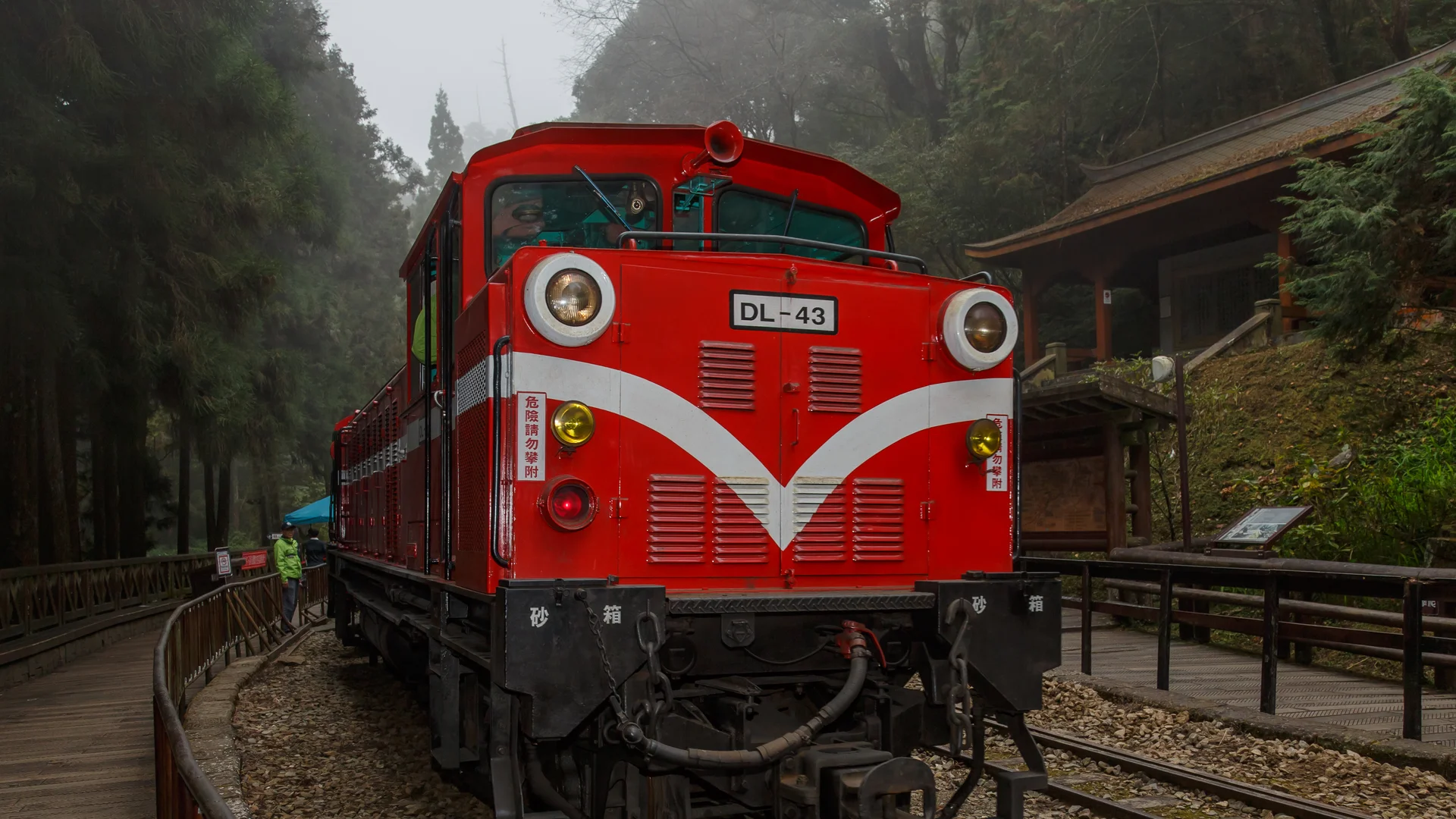
 Alishan Forest Railway — The Mountain Rail Route That Matters Because The Journey Still Has Weight
阿里山森林铁路 · Alishan Senlin Tielu
A practical guide to Alishan Forest Railway for travelers deciding whether the line is worth planning around, with practical notes on branch-line timing, rolling stock, heritage depots, and why this mountain railway works best when treated as a journey instead of a decorative scenic extra.
- taiwan
- March to May and October to November
- Easy