Quick facts
What to know before you go
Suzhou Classical Gardens — The Scholar Landscapes That Reward Precision, Not Speed is a curated China Hidden Gems destination in Jiangsu, selected for travelers who want the place, timing, effort, and logistics in one scan.
- Administrative location
- Suzhou, Jiangsu
- Chinese name
- 苏州古典园林 · Suzhou Gudian Yuanlin
- Best season
- March to May and September to November
- Difficulty
- Easy
- Time needed
- Half day to full day
- Typical cost
- $$
- Getting there
- Base in Suzhou and choose one major garden first, then add one smaller counterpoint only if timing and attention still support it.
Editorial briefing
Why this place works
A practical guide to Suzhou's classical gardens for travelers deciding how many gardens to visit and in what rhythm, with honest notes on Humble Administrator's Garden, why one compact second garden matters more than chasing volume, and how to keep the day from collapsing into pretty but shallow overload.
Why go
- A practical guide to Suzhou's classical gardens for travelers deciding how many gardens to visit and in what rhythm, with honest notes on Humble Administrator's Garden, why one compact second garden matters more than chasing volume, and how to keep the day from collapsing into pretty but shallow overload.
- Suzhou Classical Gardens — The Scholar Landscapes That Reward Precision, Not Speed gives travelers a concrete reason to plan around Suzhou, jiangsu, not just a generic first-trip city list.
- It is strongest for culture, architecture, unesco, with enough practical context to compare timing, difficulty, and onward route fit.
Turn this into a trip
Save Suzhou Classical Gardens — The Scholar Landscapes That Reward Precision, Not Speed, then plan around it.
Keep this gem on your device, open it in your bucket list, or start a planner draft with the destination already filled in.
Professional route review
Already combining Suzhou Classical Gardens — The Scholar Landscapes That Reward Precision, Not Speed with other stops?
A Route Reality Check reviews pace, obvious cross-city handoffs, and preparation risks in the route you already built.
No booking, visa service, supplier packaging, funds handling, guarantee, or on-trip support.
Application-based Beta
$29
48-72 hours after acceptance, payment confirmation, and receipt of the complete route.
Review the application boundaryTrip planning intake
Ask whether Suzhou Classical Gardens — The Scholar Landscapes That Reward Precision, Not Speed fits your route.
This is a lightweight planning signal, not an instant concierge. Leave your trip context and a real question, and the team can reply manually after review.
Story visuals
Suzhou Classical Gardens — The Scholar Landscapes That Reward Precision, Not Speed
The Garden Destination That Gets Weaker The Faster You Move
Suzhou's classical gardens are so famous that many visitors arrive with exactly the wrong instinct. They want to collect them. One large garden, another nearby, maybe an evening performance, maybe one more before dinner. That approach usually fails. The gardens are too refined for speed. Once the route turns into accumulation, the place stops feeling like designed landscape and starts feeling like decorative repetition.
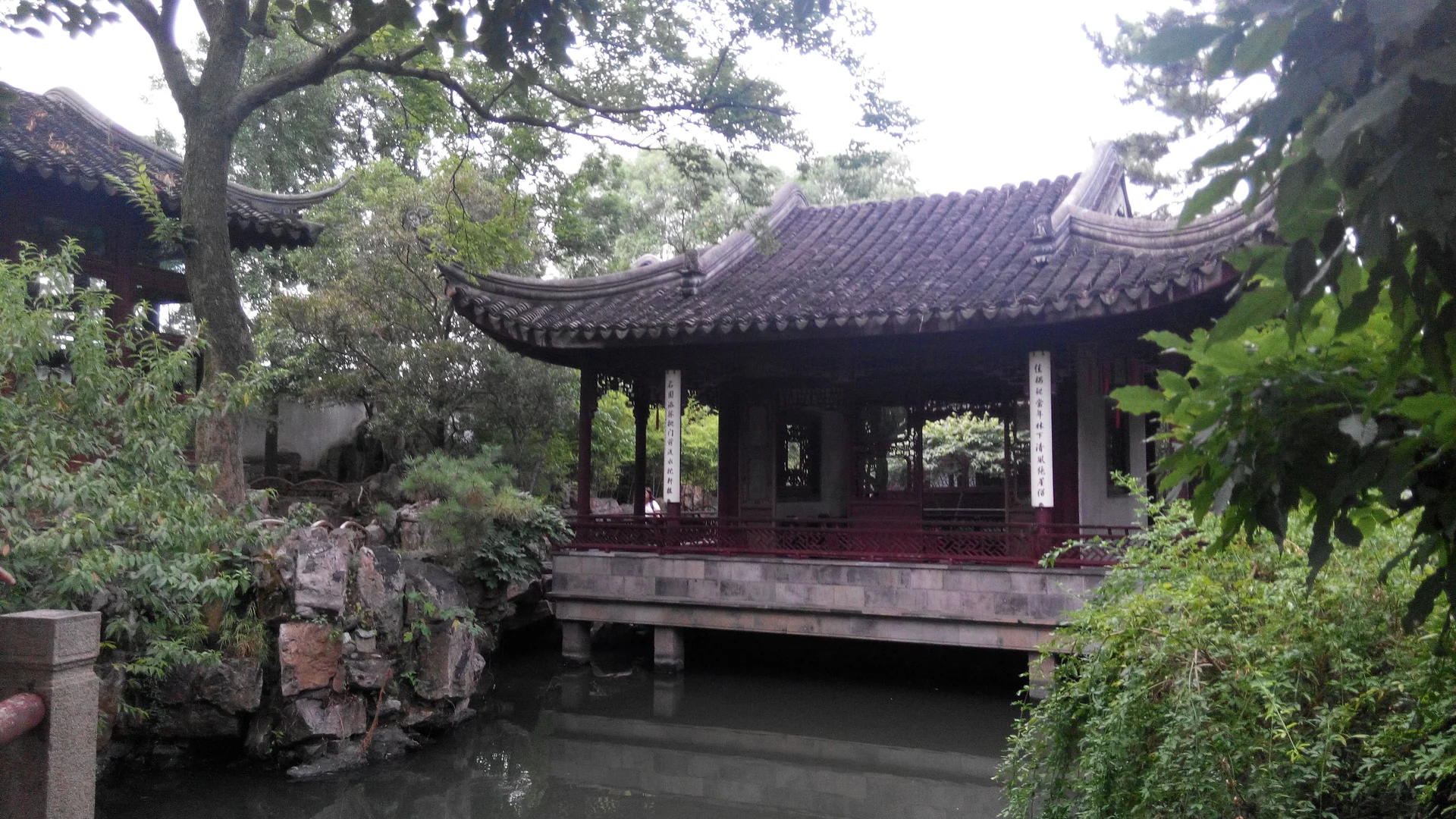
The stronger framing is that the Suzhou gardens are precision landscapes. They were built to control view, pace, proportion, sound, and even expectation. Rocks, water, corridors, borrowed scenery, framed windows, and changing depth are all part of the design argument. A good page therefore should not push maximum quantity. It should help the traveler choose the right contrast: one broader garden to establish the grammar, and one smaller or differently composed garden to sharpen perception.
Why It Works
The first reason the Suzhou gardens work is that they are one of China's clearest design destinations. A first-time visitor does not need specialized scholarship to feel that these spaces were composed rather than simply decorated. That is what makes the page so valuable. The gardens are not just pleasant urban green space. They are among the strongest examples in China of space being arranged to produce thought, mood, and sequence.
The second reason is that Suzhou broadens the destination system. Many major China flagships lean on scale, spectacle, or monumental history. The gardens do something subtler. They reward control and attention. That gives the national destination pool a different kind of high-end page: one rooted in cultural intelligence and atmosphere rather than pure visual impact.
The third reason is that the route decisions genuinely matter. A traveler who begins at the Humble Administrator's Garden at the wrong hour, then races into a second large garden, may leave with only crowd memory and a blur of pavilions. A traveler who pairs one major garden with a smaller counterpoint such as Master of the Nets, or times the day for opening hours and softer light, gets a much more coherent version of Suzhou. That is why the page exists.
How To Plan The Day
The first decision is whether the day is garden-first or merely garden-included. If the gardens are the real reason you came to Suzhou, they deserve a route with margin. If they are one chapter in a city visit, then the page should help you scale down honestly instead of pretending you can experience three or four major gardens properly in one compressed pass.
For many first-time visitors, the Humble Administrator's Garden remains the clearest opening move because it teaches the visual vocabulary at full scale. Water, pavilions, bridges, framed corridors, planted edges, and shifting sightlines all become legible there. But the page should not imply that bigger automatically means better. The point of starting large is to learn the grammar.
That is why the second stop matters. A compact, more tightly composed garden can be more revealing after the first. Master of the Nets works well because it proves that intensity does not require size. The visitor starts seeing how much design precision can be packed into a much smaller footprint. Lingering Garden works differently, with its own corridor logic and rockery emphasis. The point is not to chase completeness. It is to build contrast.
What To Prioritize
Prioritize attention span over quantity. That means arriving early enough at the first major garden that the space still reads before heavy crowd density overwhelms its subtlety. It also means letting windows, corridors, and pauses matter rather than treating every pond-edge pavilion as a photo checkpoint.
The page should be very direct about this: garden fatigue is real. These sites can blur together if the user moves too fast. The premium version of Suzhou is not the one with the most ticket stubs. It is the one where at least two gardens remain distinct in memory because they were experienced with enough contrast and enough time.
It is also worth protecting honesty around beauty. These gardens are beautiful, but they are not effortless beauty. They were built to stage relationship: solid and void, near and far, enclosure and borrowed view. Once the traveler understands that, the destination stops being "pretty" and becomes much richer.
Who Should Save It
Save Suzhou Classical Gardens if you care about Chinese design, spatial composition, reflective sightseeing, or destinations that reward close reading more than spectacle. It is strongest for architecture and photography travelers, cultural landscape readers, and visitors willing to slow their pace on purpose.
It is weaker for travelers who want one loud, instant landmark or who are determined to optimize the city into nonstop movement. Suzhou's garden logic pushes the other way.
What To Confirm Before You Go
Before finalizing the route, confirm opening hours and current access patterns for the specific gardens you are prioritizing, and decide whether the day needs one major garden plus one counterpoint or a simpler single-garden plan. Also be honest about crowd timing. The gardens are still worth visiting under pressure, but they are at their best when the first major stop starts early.
The honest promise is simple: Suzhou's gardens are worth the trip when you treat them as designed experiences of attention, not as a collection challenge.
How To Use This Page In The Tools
Suzhou Classical Gardens should hand off to the planner as a pacing-and-contrast question, not as a generic list of gardens to stack. The useful prompt is "plan a Suzhou garden day around one major anchor and one compact counterpoint, with opening-time or off-peak pacing that protects attention rather than maximizing garden count." That gives the planning tools a structure that actually matches how the destination works.
Traveler actions
Save, check in, share, and help other travelers judge whether this place is worth the trip.
Traveler Comments
Share your Suzhou Classical Gardens — The Scholar Landscapes That Reward Precision, Not Speed experience
Continue exploring
More in jiangsu
View all →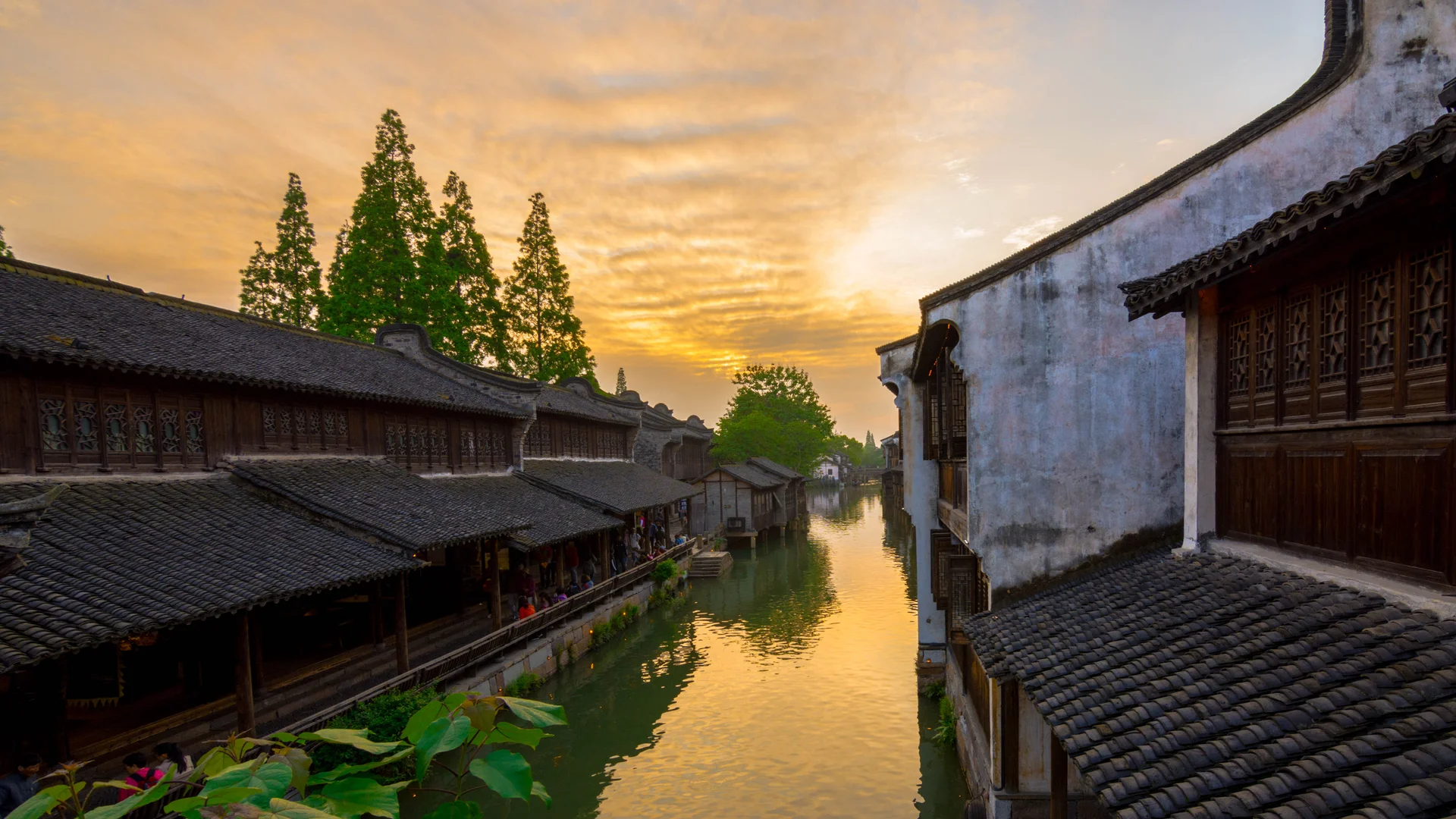 jiangsu
 Zhouzhuang — The Jiangnan Water Town That Still Holds Together When You Read It Beyond Cliche
周庄 · Zhouzhuang
A practical guide to Zhouzhuang for travelers deciding whether Jiangsu's best-known canal town deserves time beyond a day-trip cliché, with practical notes on crowd timing, overnight logic, and why the town works best through pace, bridges, and side-lane texture rather than postcard repetition.
- jiangsu
- March to May and September to November
- Easy
 jiangsu
 Slender West Lake — The Yangzhou Garden Waterway That Only Works When You Let It Unfold Slowly
瘦西湖 · Shouxi Hu
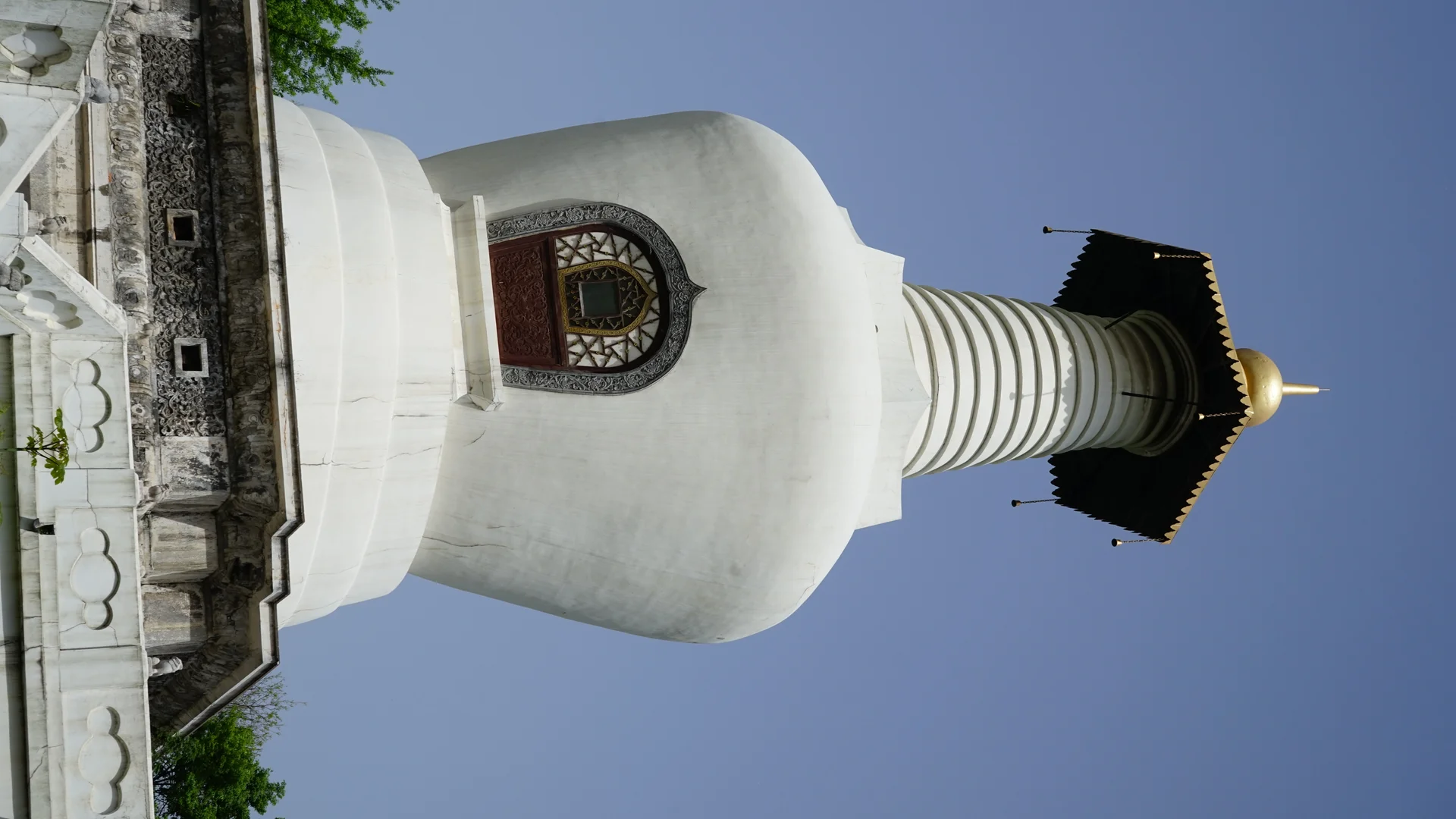
A practical guide to Slender West Lake for travelers deciding whether Yangzhou's most famous scenic area deserves real time, with practical notes on bridges, pagodas, route sequencing, and why this garden lake works best as a slow waterway walk rather than a postcard stop.
- jiangsu
- March to May and September to November
- Easy