Quick facts
What to know before you go
Qibao Ancient Town — The Shanghai Water Town That Still Works When You Treat It As A Short Urban Reset is a curated China Hidden Gems destination in Shanghai, selected for travelers who want the place, timing, effort, and logistics in one scan.
- Administrative location
- Minhang District, Shanghai
- Chinese name
- 七宝古镇 · Qibao Guzhen
- Best season
- March to May and October to November
- Difficulty
- Easy
- Time needed
- 2-4 hours
- Typical cost
- $$
- Getting there
- Treat Qibao as a compact old-town excursion within Shanghai rather than as a full separate day-trip destination.
Official planning links
Editorial briefing
Why this place works
A practical guide to Qibao Ancient Town for travelers deciding whether this compact Shanghai water town deserves time off the main urban circuit, with practical notes on crowd timing, snack-street density, and why Qibao works best as a short atmospheric reset rather than a full Jiangnan substitute.
Why go
- A practical guide to Qibao Ancient Town for travelers deciding whether this compact Shanghai water town deserves time off the main urban circuit, with practical notes on crowd timing, snack-street density, and why Qibao works best as a short atmospheric reset rather than a full Jiangnan substitute.
- Qibao Ancient Town — The Shanghai Water Town That Still Works When You Treat It As A Short Urban Reset gives travelers a concrete reason to plan around Shanghai, shanghai, not just a generic first-trip city list.
- It is strongest for water town, old street, shanghai, with enough practical context to compare timing, difficulty, and onward route fit.
Turn this into a trip
Save Qibao Ancient Town — The Shanghai Water Town That Still Works When You Treat It As A Short Urban Reset, then plan around it.
Keep this gem on your device, open it in your bucket list, or start a planner draft with the destination already filled in.
Professional route review
Already combining Qibao Ancient Town — The Shanghai Water Town That Still Works When You Treat It As A Short Urban Reset with other stops?
A Route Reality Check reviews pace, obvious cross-city handoffs, and preparation risks in the route you already built.
No booking, visa service, supplier packaging, funds handling, guarantee, or on-trip support.
Application-based Beta
$29
48-72 hours after acceptance, payment confirmation, and receipt of the complete route.
Review the application boundaryTrip planning intake
Ask whether Qibao Ancient Town — The Shanghai Water Town That Still Works When You Treat It As A Short Urban Reset fits your route.
This is a lightweight planning signal, not an instant concierge. Leave your trip context and a real question, and the team can reply manually after review.
Story visuals
Qibao Ancient Town — The Shanghai Water Town That Still Works When You Treat It As A Short Urban Reset
The Water Town Page That Works Because It Knows Its Scale
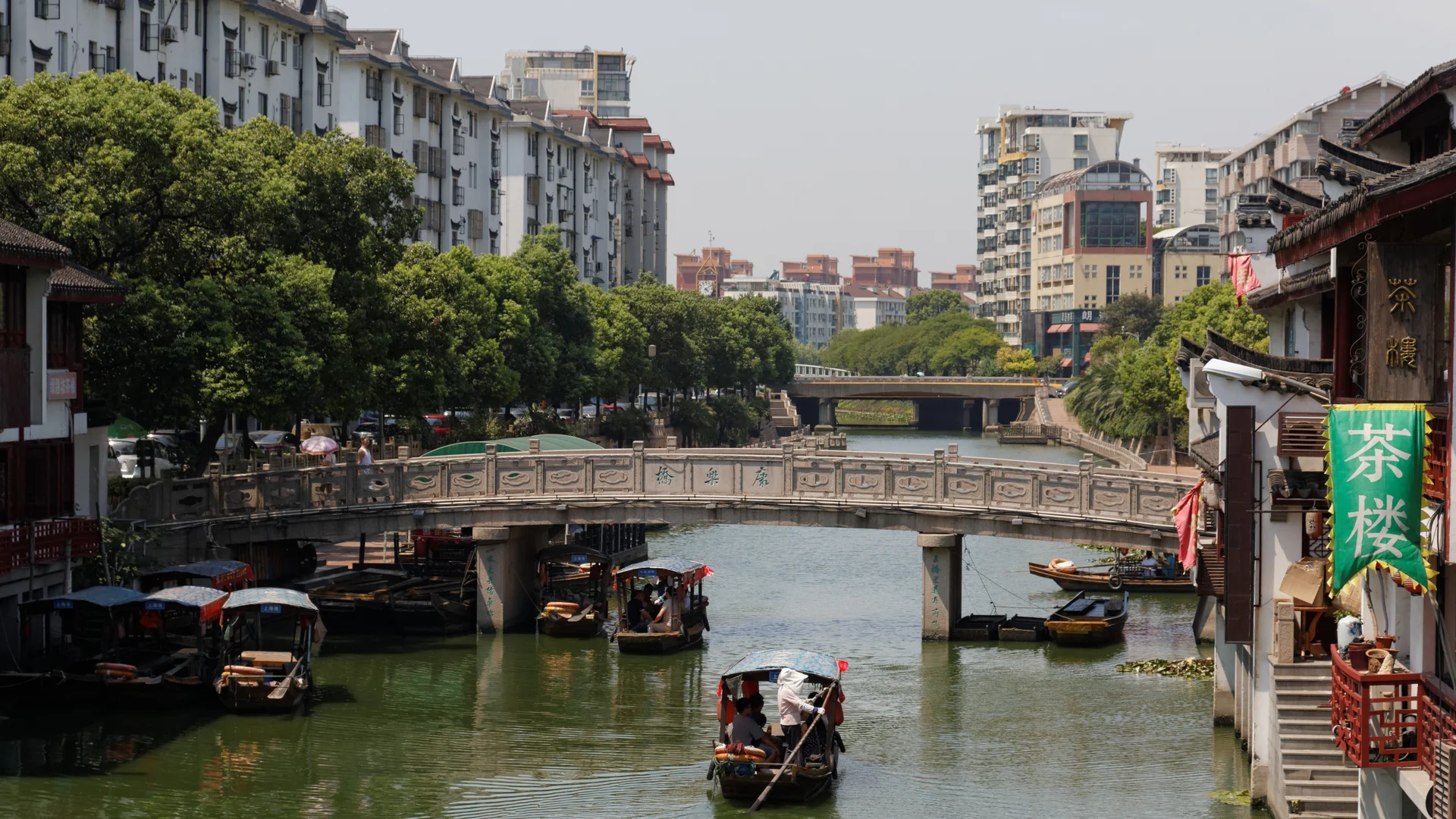
Qibao only disappoints when travelers ask it to be something it is not. If you arrive expecting a full-scale Jiangnan pilgrimage with hours of slow canal wandering, the town can feel compressed, commercial, and overly easy to consume. If you understand it as a short-format water-town reset inside a Shanghai trip, it becomes much more convincing.
That distinction matters because Shanghai badly needs this kind of page. The city's dominant visitor logic is skyline, concession-era streets, museums, dining, and big-neighborhood energy. Qibao offers a different tempo without demanding a full escape from the city. Bridges, alleys, temple traces, old street rhythm, snacks, and canal scenery all compress into something small enough to use and clear enough to read.
A premium page should therefore protect Qibao from two bad frames at once. It is not a hidden secret untouched by tourism, and it is not an empty stage set with nothing left but food queues. The useful truth sits in the middle. Qibao is still worth visiting because its scale is manageable, its old-street logic is legible, and its contrast with central Shanghai remains real.
Why It Works
First, the destination is efficient in a good way. Many water towns take an entire day and reward that length. Qibao rewards shorter attention. That is not a weakness. Inside a city as large and stimulus-heavy as Shanghai, a place that can deliver canal texture, bridges, old facades, and a reset in a compact window is actually very valuable.
Second, the town feels structurally coherent even under commercial pressure. Shops, food lanes, temple references, water edges, and bridge crossings still belong to the same picture. That coherence is what saves Qibao from becoming just another old-street shopping lane.
Third, it works as a planning tool. Travelers often need one stop that changes mood without blowing up the rest of the day. Qibao does that well. It gives you enough atmosphere to feel like a meaningful contrast, but not so much logistical weight that it takes over the whole schedule.
How To Shape The Visit
Start by deciding whether the stop is contrast-first or checklist-first. Contrast-first is stronger. If the goal is to let Shanghai widen for a few hours into water-town texture, Qibao lands well. If the goal is to compare it competitively against larger, better-known Jiangnan towns, the stop gets weaker very quickly.
The second decision is timing. Qibao is highly sensitive to density. Arrive too late or at a peak window and the old-street atmosphere can collapse into shoulder-to-shoulder snack traffic. That does not mean the town loses all value. It means the traveler should protect the windows when walking still feels possible.
The third decision is appetite for food-driven flow. Qibao is not only food, but food is undeniably part of the street energy. The page should help travelers choose whether they want to lean into that or move more selectively through the most crowded sections. In other words, you should not drift into the town without a stance.
A fourth decision is how much history to ask from the stop. Qibao has real historical substance, but it is better read through street rhythm, temple traces, and urban continuity than through monument-level explanation. The page should keep expectations in that register.
What To Prioritize
Prioritize atmosphere in motion. The value of Qibao is not a single viewpoint. It is the repetition of bridges, lanes, storefronts, canal edges, and old-town scale as you move through it. If the stop is reduced to one photo location, the destination becomes thinner than it deserves to be.
Prioritize compactness too. Qibao should not be forced into a heroic narrative. One of its best qualities is that it knows how to fit. It slides into a Shanghai day and changes the emotional weather without demanding complete reorientation.
It is also worth prioritizing honesty about commerce. This is not a frozen museum town. The shops, food stalls, and visitor traffic are visible and part of the experience. That is fine. The page becomes more trustworthy when it acknowledges this while still showing what remains structurally worthwhile.
A final priority is resisting fake escape language. Qibao is close to the city and shaped by that fact. The reason to go is not to imagine you have disappeared from Shanghai. The reason to go is to watch Shanghai briefly refract into another older and slower urban form.
What Can Go Wrong
The most common mistake is giving Qibao the wrong job. If you expect it to carry the same depth as larger standalone water towns, you are setting it up to fail.
Another mistake is arriving at the busiest possible hour and then deciding the entire place is only a snack corridor. Timing matters enough here that bad timing can change the tone of the stop completely.
A third mistake is moving too quickly. Qibao is compact, but compact does not mean negligible. The stop becomes better when you let the bridges, canal edges, and old-street transitions accumulate rather than tearing through them for efficiency alone.
Who Should Save It
Save Qibao if you want a short Shanghai contrast page built on water-town rhythm, old-street scale, and a clear break from central-city pace. It is especially good for travelers who want a compact atmospheric stop that does not consume an entire day.
It is weaker for travelers who want their Jiangnan town to feel expansive, quiet, and relatively untouched. Qibao is worth it when the traveler accepts its urban proximity and uses that proximity as part of the appeal.
What To Confirm Before You Go
Before locking the stop in, confirm whether you are using Qibao as a short atmospheric reset or as a main event, and choose a time that protects walkability. The honest promise is simple: Qibao is rewarding when you visit it as a compact water-town contrast inside Shanghai, not as a substitute for the region's largest historic towns.
Traveler actions
Save, check in, share, and help other travelers judge whether this place is worth the trip.
Traveler Comments
Share your Qibao Ancient Town — The Shanghai Water Town That Still Works When You Treat It As A Short Urban Reset experience
Continue exploring
More in shanghai
View all →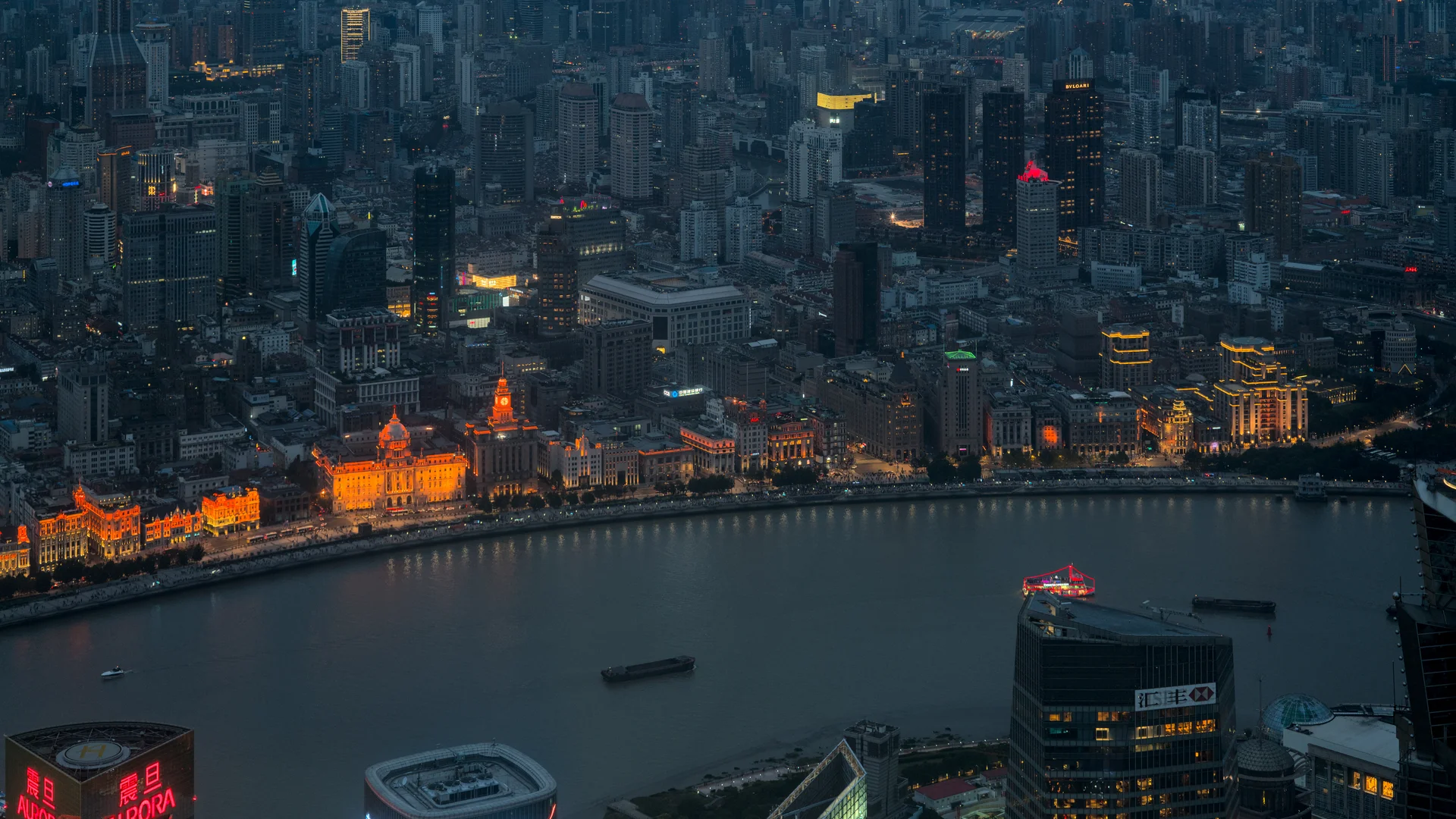 shanghai
 The Bund — The Waterfront Where Shanghai's Two Selves Still Face Each Other
外滩 · Waitan
A practical guide to the Bund for travelers planning their strongest Shanghai waterfront route, with honest advice on blue hour timing, promenade pacing, whether to cross to Pudong, and why the Bund works better as an urban sequence than as a rushed photo stop.
- shanghai
- March to May and September to November
- Easy
 shanghai
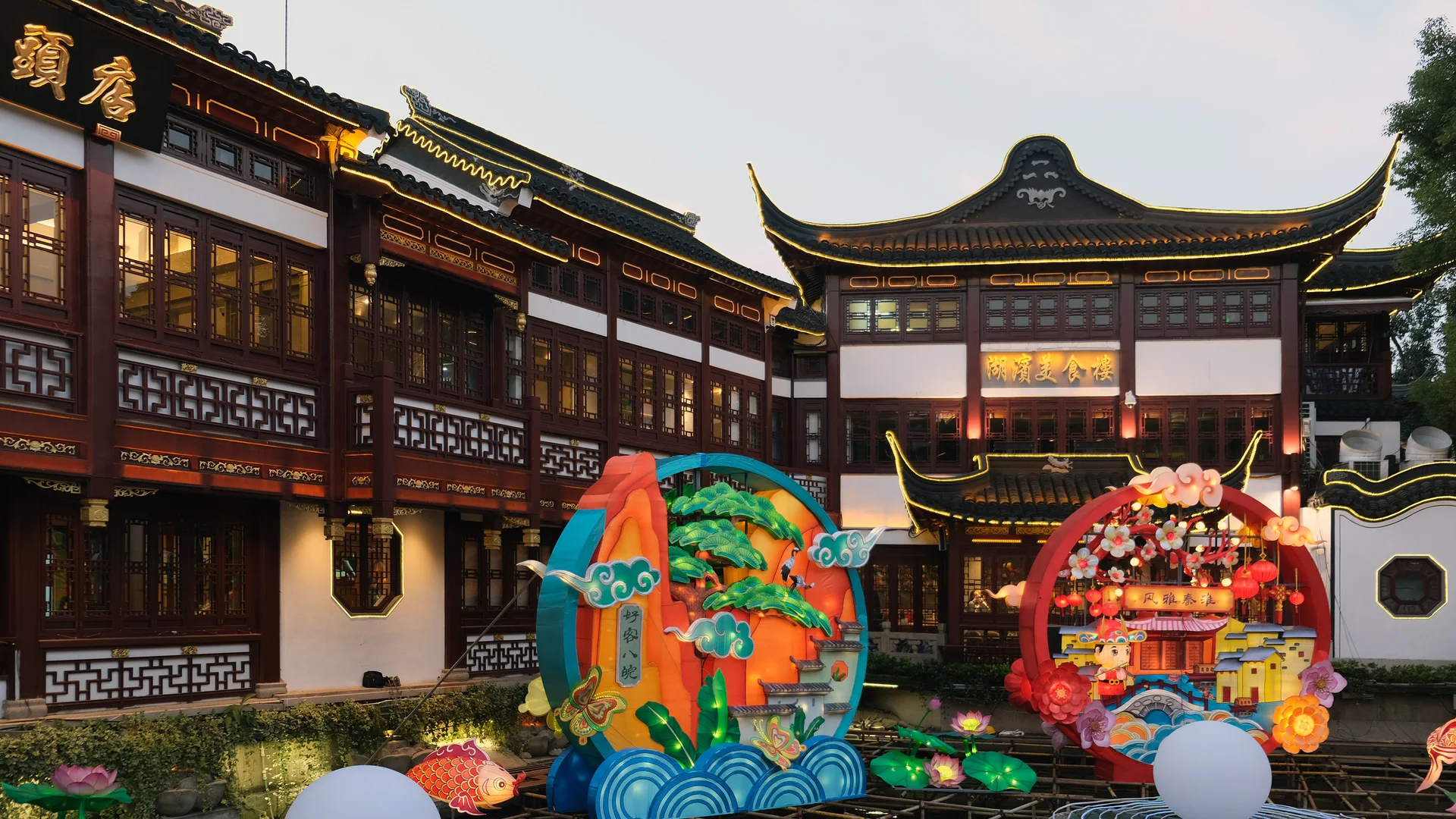
 Yuyuan Garden — The Shanghai Classical Garden That Works Through Compression, Ornament, And Urban Contrast
豫园 · Yuyuan
A practical guide to Yuyuan Garden for travelers deciding whether Shanghai's best-known classical garden deserves dedicated time, with practical notes on crowd timing, ornament density, and why Yuyuan works best through enclosed composition rather than as a generic old-town stroll.
- shanghai
- March to May and October to November
- Easy