Quick facts
What to know before you go
Time-Capsule Pingyao - City Walls, Courtyards, And China's Old Banking Streets is a curated China Hidden Gems destination in Shanxi, selected for travelers who want the place, timing, effort, and logistics in one scan.
- Administrative location
- Pingyao County, Jinzhong, Shanxi
- Chinese name
- 平遥古城 · Pingyao Gucheng
- Best season
- April to June and September to October
- Difficulty
- Easy
- Time needed
- 1-2 days
- Typical cost
- $$
- Getting there
- Arrive by rail, confirm station transfer, then explore the walled city mostly on foot with optional temple side trips.
Editorial briefing
Why this place works
A practical guide to Pingyao Ancient City: city walls, old streets, courtyard architecture, banking history, walking routes, ticket checks, and why the walled city is more than a photo stop.
Why go
- A practical guide to Pingyao Ancient City: city walls, old streets, courtyard architecture, banking history, walking routes, ticket checks, and why the walled city is more than a photo stop.
- Time-Capsule Pingyao - City Walls, Courtyards, And China's Old Banking Streets gives travelers a concrete reason to plan around Pingyao, shanxi, not just a generic first-trip city list.
- It is strongest for ancient town, unesco, architecture, with enough practical context to compare timing, difficulty, and onward route fit.
Turn this into a trip
Save Time-Capsule Pingyao - City Walls, Courtyards, And China's Old Banking Streets, then plan around it.
Keep this gem on your device, open it in your bucket list, or start a planner draft with the destination already filled in.
Professional route review
Already combining Time-Capsule Pingyao - City Walls, Courtyards, And China's Old Banking Streets with other stops?
A Route Reality Check reviews pace, obvious cross-city handoffs, and preparation risks in the route you already built.
No booking, visa service, supplier packaging, funds handling, guarantee, or on-trip support.
Application-based Beta
$29
48-72 hours after acceptance, payment confirmation, and receipt of the complete route.
Review the application boundaryTrip planning intake
Ask whether Time-Capsule Pingyao - City Walls, Courtyards, And China's Old Banking Streets fits your route.
This is a lightweight planning signal, not an instant concierge. Leave your trip context and a real question, and the team can reply manually after review.
Story visuals
Time-Capsule Pingyao - City Walls, Courtyards, And China's Old Banking Streets
More Than An Old Street
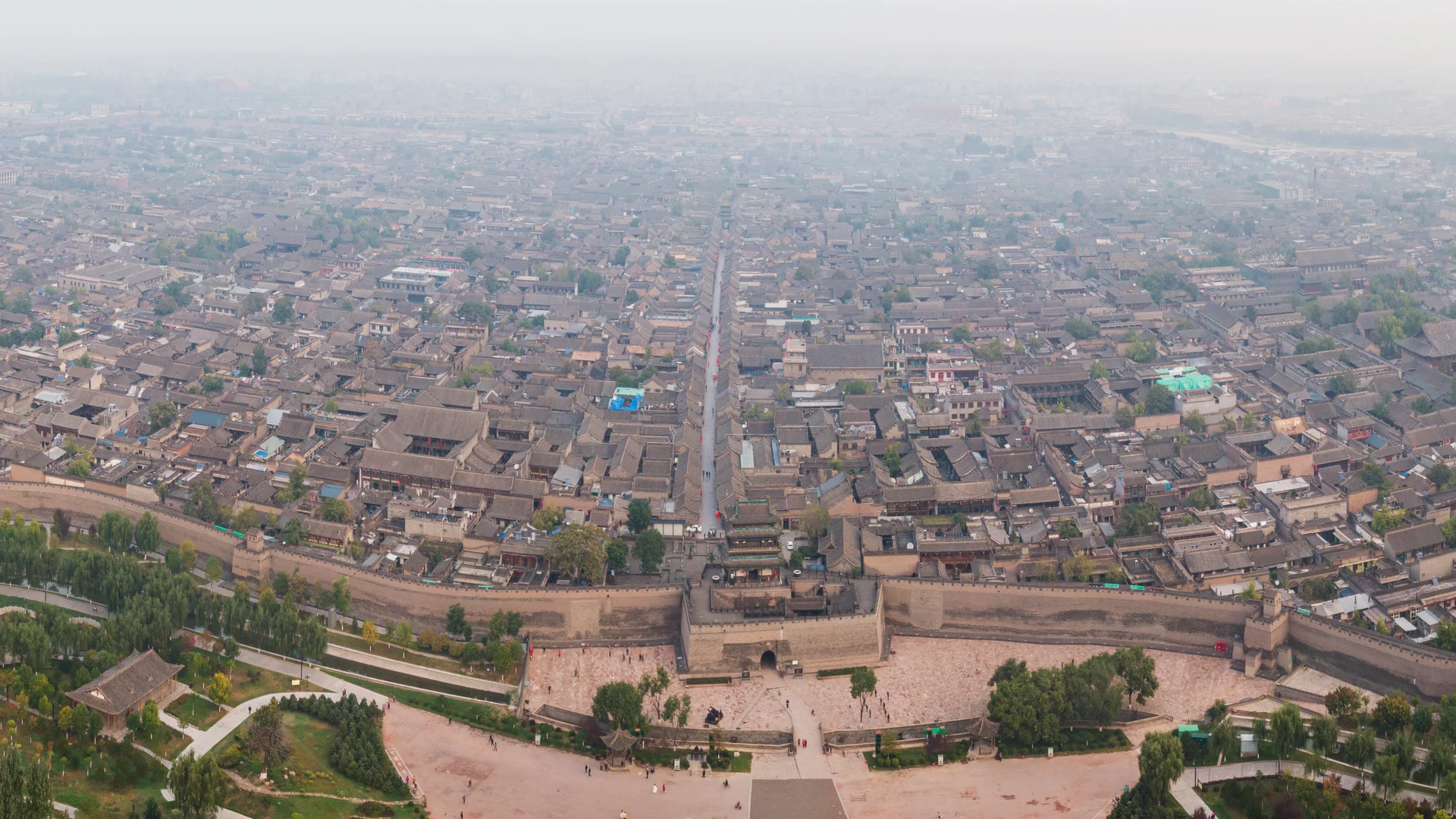
Pingyao can look simple at first glance: walls, gates, grey brick, red lanterns, and lanes built for slow walking. That simplicity is the reason many visitors underestimate it. The city is not valuable only because it photographs well. It matters because the form of the old city is still legible. Walls, streets, courtyards, temples, and former banking houses create a place where the shape of urban life is part of the attraction.
For ChinaHiddenGems, Pingyao is the cultural counterweight in the pilot batch. Fenghuang gives river mood. Chongqing gives vertical modern density. Zhangjiajie and Jiuzhaigou give nature. Pingyao gives structure, history, and a slower kind of visual trust.
Why It Works
Pingyao works because it gives planning users a clear walking spine. You can understand the visit as layers: enter the walled city, walk the streets, climb or view the walls, step into courtyard compounds, then decide whether to add related temple sites outside the core. That is a better article shape than a loose list of "ancient town things."
It also works for browsing users because the visuals are coherent. The color palette, wall lines, roof edges, and street scale all tell the same story. The place does not need neon or extreme geography to be memorable. Its strength is continuity.
The banking-history angle gives it more depth. Pingyao is tied to the development of early financial institutions in China, and that context helps English readers see why the town is not just another preserved lane. The article should explain that in plain language without drifting into museum copy.
How To Plan The Visit
Start with arrival and transfer. Pingyao is walkable once you are inside the old city, but the first and last kilometer can shape the experience if you have luggage. Confirm which station you arrive at, how you will reach your lodging, and whether vehicles can get close to the place you are staying.
Give the city at least one full slow loop. Do not only chase the main commercial street. Walk the wall or wall-adjacent areas, let the side lanes reset the pace, and use courtyard compounds to break up the day. The best visit is not about covering every ticketed room. It is about understanding the city as a whole.
If time allows, Shuanglin Temple and Zhenguo Temple can add depth, but they should be framed as optional related heritage stops rather than casual throwaway names. Their access, hours, and transport need current confirmation before a final itinerary tells readers to go.
What To Look For
Look for boundaries: the wall, the gates, the way streets align, the transition from public lane to private courtyard, and the difference between a shopfront and a residence. Pingyao is a good place to slow down and notice how architecture organizes movement.
The city is also useful for photography, but the strongest images often come from restraint: a wall receding in afternoon light, a courtyard doorway, a lane before the biggest crowds arrive, or the aerial sense of a city held inside a square plan. The current visual set supports that range without relying on scraped travel-site imagery.
Who Should Save It
Save Pingyao if you care about heritage, walking, architecture, old-city form, and history that can be felt in the street grid. It is a strong fit for travelers who want one cultural stop that is quieter than a megacity and more structured than a river-town photo walk.
It is not ideal if you need nightlife, fast novelty, or a destination that changes dramatically every hour. Pingyao is slower. Its reward is the feeling that the city still has an outline.
What To Confirm Before You Go
Before pushing this into a final itinerary, confirm the current ticket bundle, wall access, main courtyard/site opening rules, rail station transfer, and whether side temples fit your schedule. The verified promise should be precise: Pingyao is worth visiting because it still reads as a complete old city, not because it is frozen in time without tourism or change.
How To Use This Page In The Tools
Pingyao is a strong candidate for a compact planning handoff. The useful prompt is "plan one full day and one optional half day in Pingyao with the city wall, old streets, courtyard compounds, and side temples separated by access checks." That keeps the route focused on the old city while leaving room for related heritage sites only if transport and opening rules make sense.
For bucket-list users, Pingyao should be saved as a heritage anchor, not as a generic ancient-town image. Pair it with Xi'an or another northern route if the traveler wants history, or compare it with Fenghuang if the question is visual mood. Those internal comparisons make the page more useful than a standalone description.
The final CMS draft should link to transport, payment, and planning guides because the visitor experience depends on small practical details: which station, how luggage reaches lodging, how ticket bundles work, and how much time to leave for walking. The page earns trust by making those unknowns visible instead of pretending the old city is frictionless.
Pingyao also needs a strong "why save this" handoff. It is the pilot page for readers who care about preserved urban form, not only spectacle. That difference should be explicit so the destination attracts the right audience and the right trip intent.
Traveler actions
Save, check in, share, and help other travelers judge whether this place is worth the trip.
Traveler Comments
Share your Time-Capsule Pingyao - City Walls, Courtyards, And China's Old Banking Streets experience
Continue exploring
More in shanxi
View all →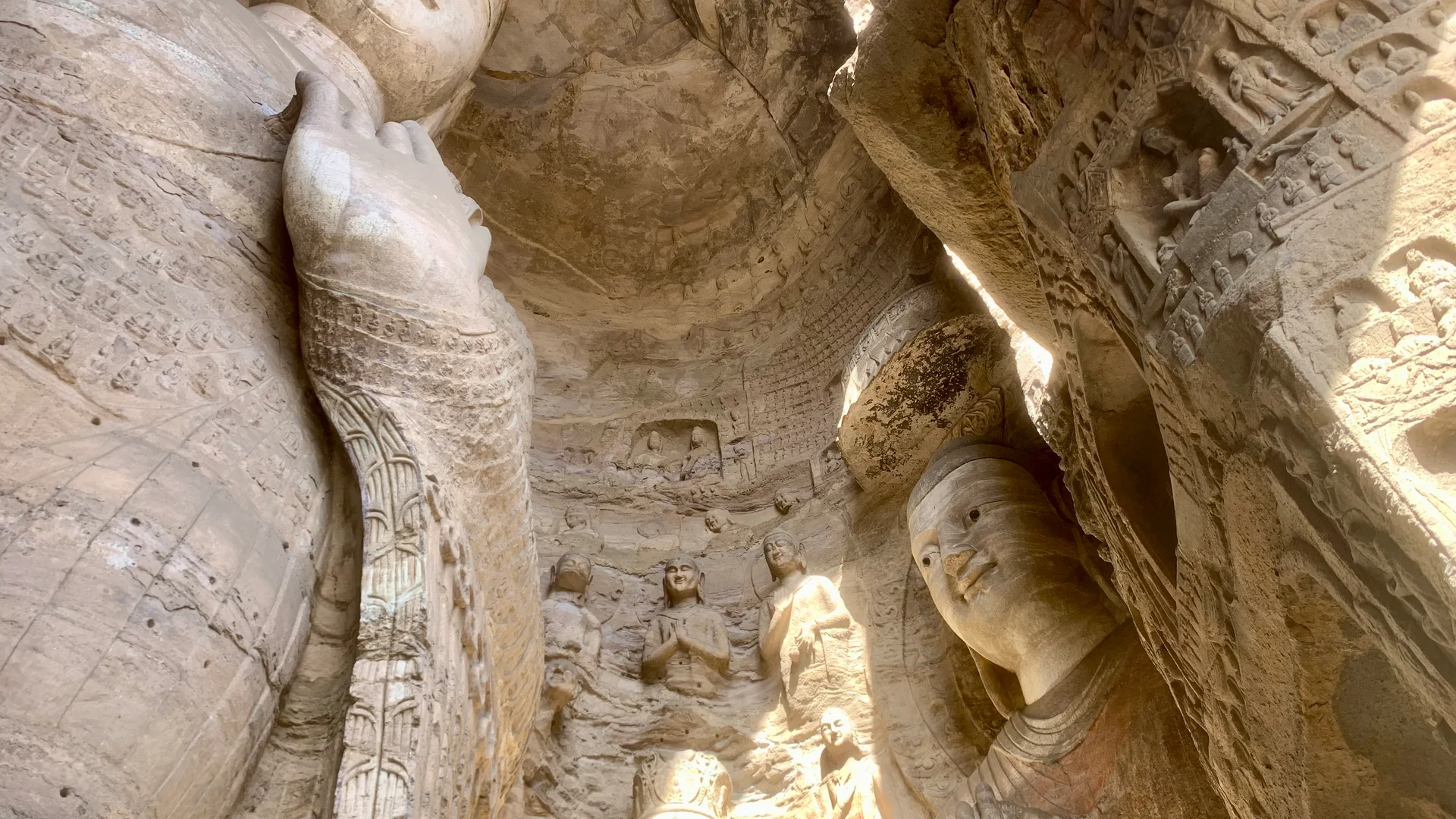 shanxi
 Yungang Grottoes — The Cliffside Buddhist Gallery That Gives Shanxi A Monumental Sacred Art Surface
云冈石窟 · Yungang Shiku
A practical guide to Yungang Grottoes for travelers deciding whether this Datong cliffside cave complex deserves a dedicated stop, with practical notes on pacing, cave selection, and why Yungang works best as a monumental art route rather than as a pure statue-count exercise.
- shanxi
- April to June and September to October
- Easy
 shanxi
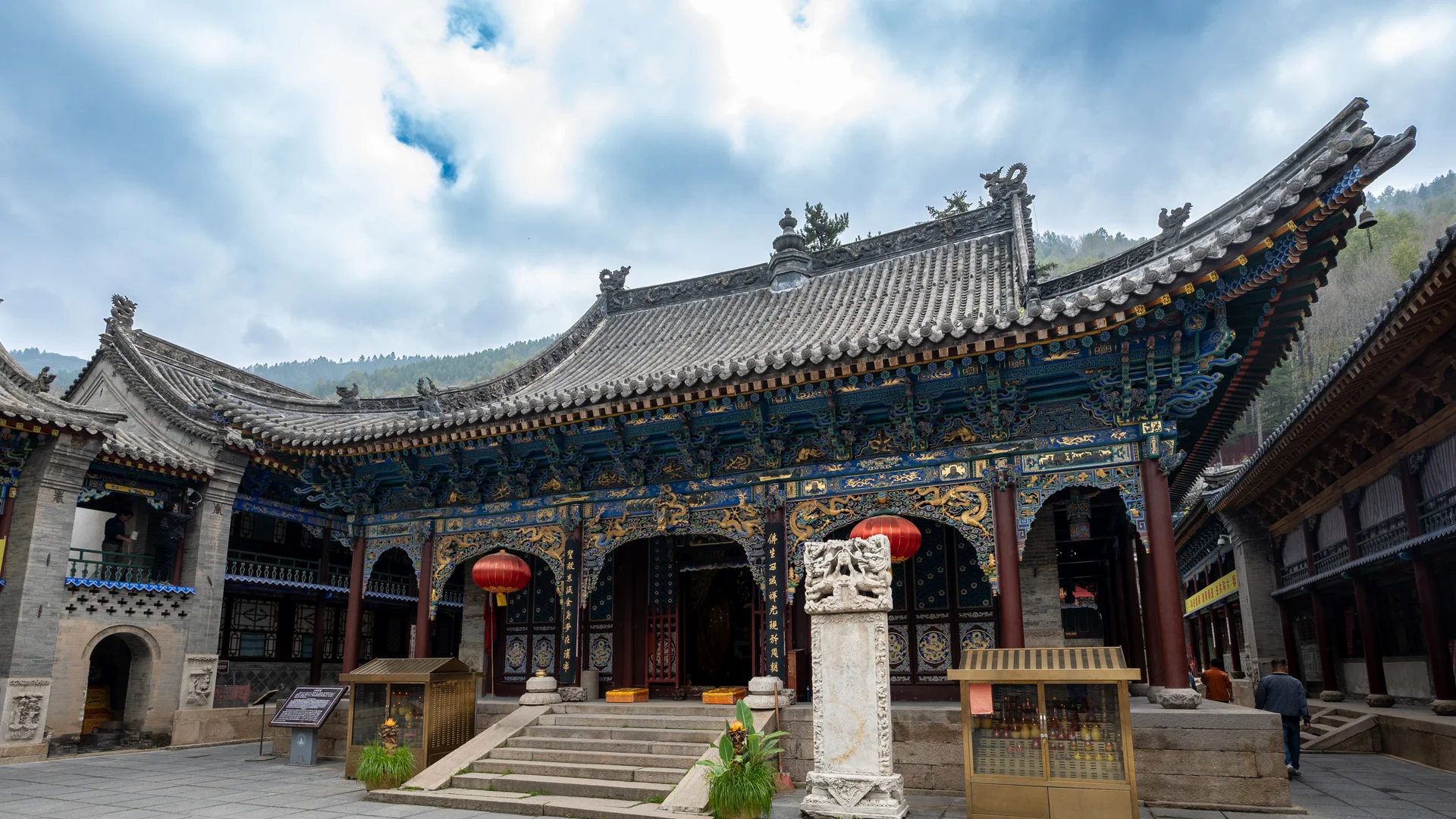
 Mount Wutai — The Sacred Buddhist Mountain That Still Requires Landscape Patience, Not Only Temple Counting
五台山 · Wutai Shan
A practical guide to Mount Wutai for travelers deciding whether China's best-known Buddhist mountain deserves dedicated time, with practical notes on altitude, temple density, and why Wutai works best through pace and selection rather than exhaustive sacred-site accumulation.
- shanxi
- May to October
- Easy
 shanxi
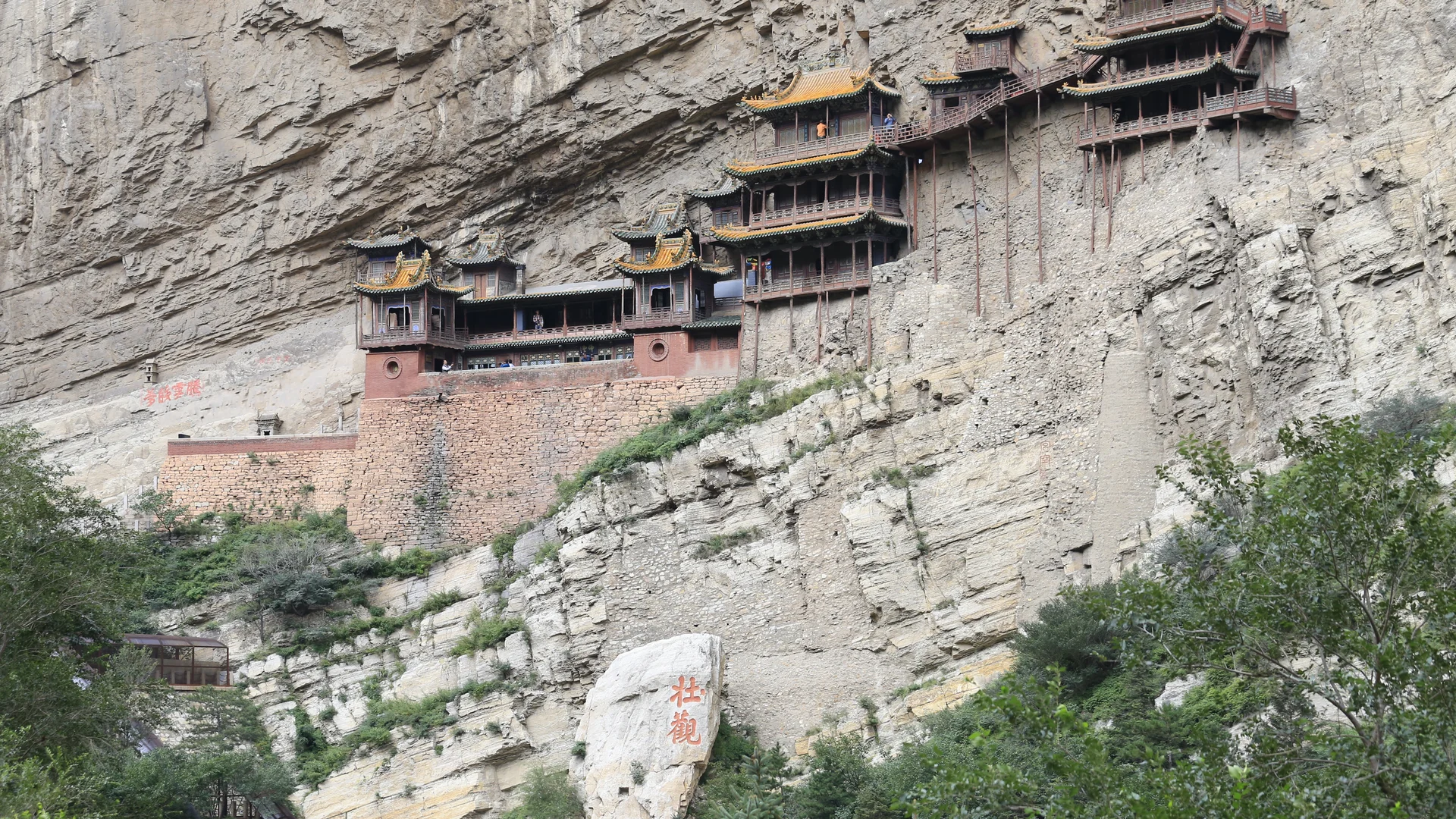
 Hanging Temple — The Cliffside Shrine Where Structure, Risk, And Ritual Still Hold Together
悬空寺 · Xuankong Si
A practical guide to Hanging Temple for travelers deciding whether this cliffside shrine near Datong deserves a dedicated stop, with practical notes on reservation limits, route pacing, and why the site works best as an architectural and ritual surface rather than as a pure thrill stop.
- shanxi
- April to June and September to October
- Easy