Quick facts
What to know before you go
Xixia Imperial Tombs — The Desert-Edge Royal Necropolis That Gives Ningxia A Civilizational Scale is a curated China Hidden Gems destination in Ningxia, selected for travelers who want the place, timing, effort, and logistics in one scan.
- Administrative location
- Yinchuan, Ningxia
- Chinese name
- 西夏王陵 · Xixia Wangling
- Best season
- April to June and September to October
- Difficulty
- Easy
- Time needed
- Half day
- Typical cost
- $$
- Getting there
- Treat the Xixia Imperial Tombs as an open heritage landscape that needs weather and pace rather than a dense museum circuit.
Editorial briefing
Why this place works
A practical guide to the Xixia Imperial Tombs for travelers deciding whether this desert-edge royal necropolis deserves a dedicated stop, with practical notes on spacing, expectation setting, and why the site works best as an open historical landscape rather than as a palace ruin fantasy.
Why go
- A practical guide to the Xixia Imperial Tombs for travelers deciding whether this desert-edge royal necropolis deserves a dedicated stop, with practical notes on spacing, expectation setting, and why the site works best as an open historical landscape rather than as a palace ruin fantasy.
- Xixia Imperial Tombs — The Desert-Edge Royal Necropolis That Gives Ningxia A Civilizational Scale gives travelers a concrete reason to plan around Yinchuan, ningxia, not just a generic first-trip city list.
- It is strongest for heritage, imperial tombs, ningxia, with enough practical context to compare timing, difficulty, and onward route fit.
Turn this into a trip
Save Xixia Imperial Tombs — The Desert-Edge Royal Necropolis That Gives Ningxia A Civilizational Scale, then plan around it.
Keep this gem on your device, open it in your bucket list, or start a planner draft with the destination already filled in.
Professional route review
Already combining Xixia Imperial Tombs — The Desert-Edge Royal Necropolis That Gives Ningxia A Civilizational Scale with other stops?
A Route Reality Check reviews pace, obvious cross-city handoffs, and preparation risks in the route you already built.
No booking, visa service, supplier packaging, funds handling, guarantee, or on-trip support.
Application-based Beta
$29
48-72 hours after acceptance, payment confirmation, and receipt of the complete route.
Review the application boundaryTrip planning intake
Ask whether Xixia Imperial Tombs — The Desert-Edge Royal Necropolis That Gives Ningxia A Civilizational Scale fits your route.
This is a lightweight planning signal, not an instant concierge. Leave your trip context and a real question, and the team can reply manually after review.
Story visuals
Xixia Imperial Tombs — The Desert-Edge Royal Necropolis That Gives Ningxia A Civilizational Scale
The Ningxia Page That Finally Gives The Region A Historical Horizon
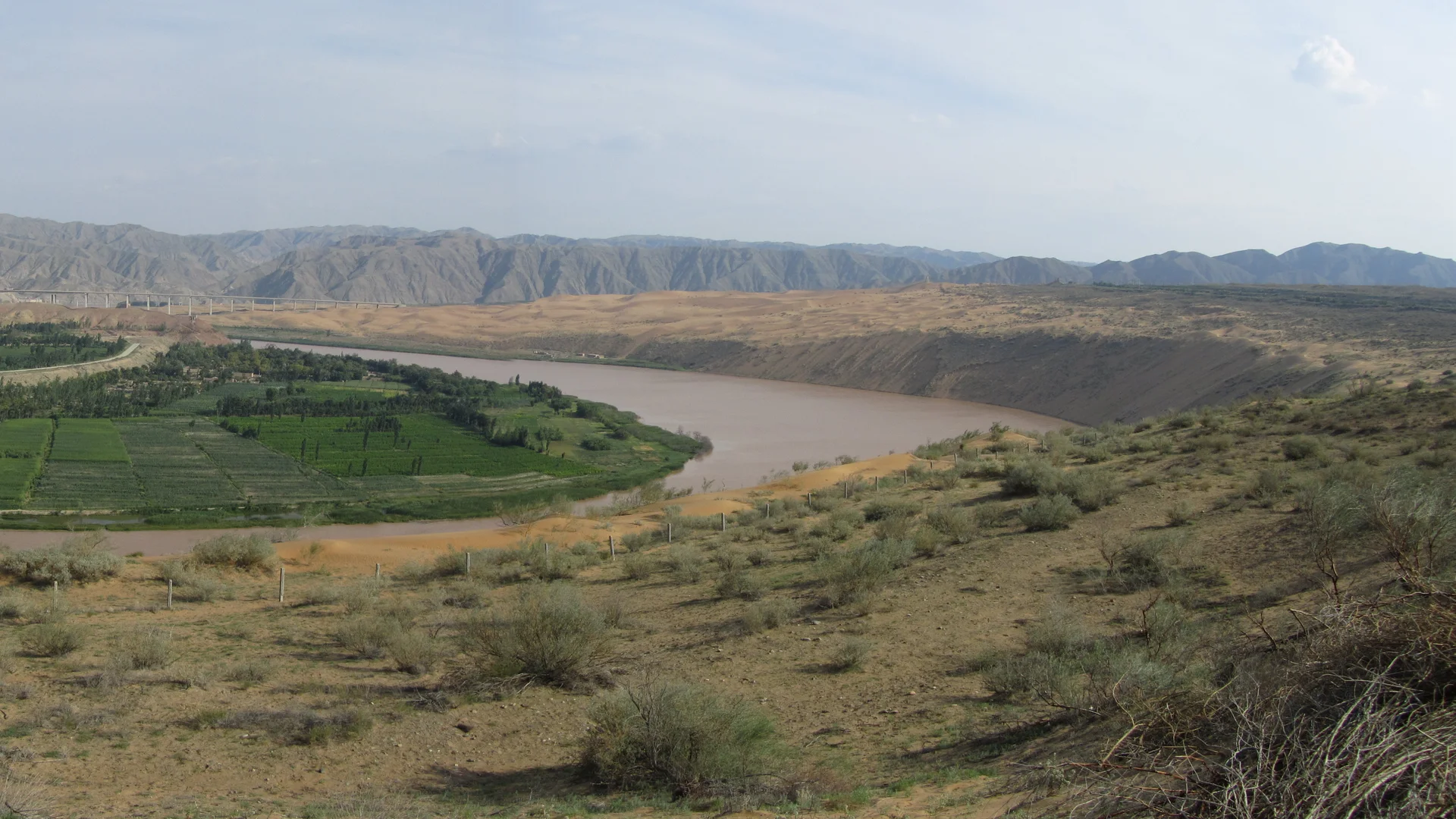
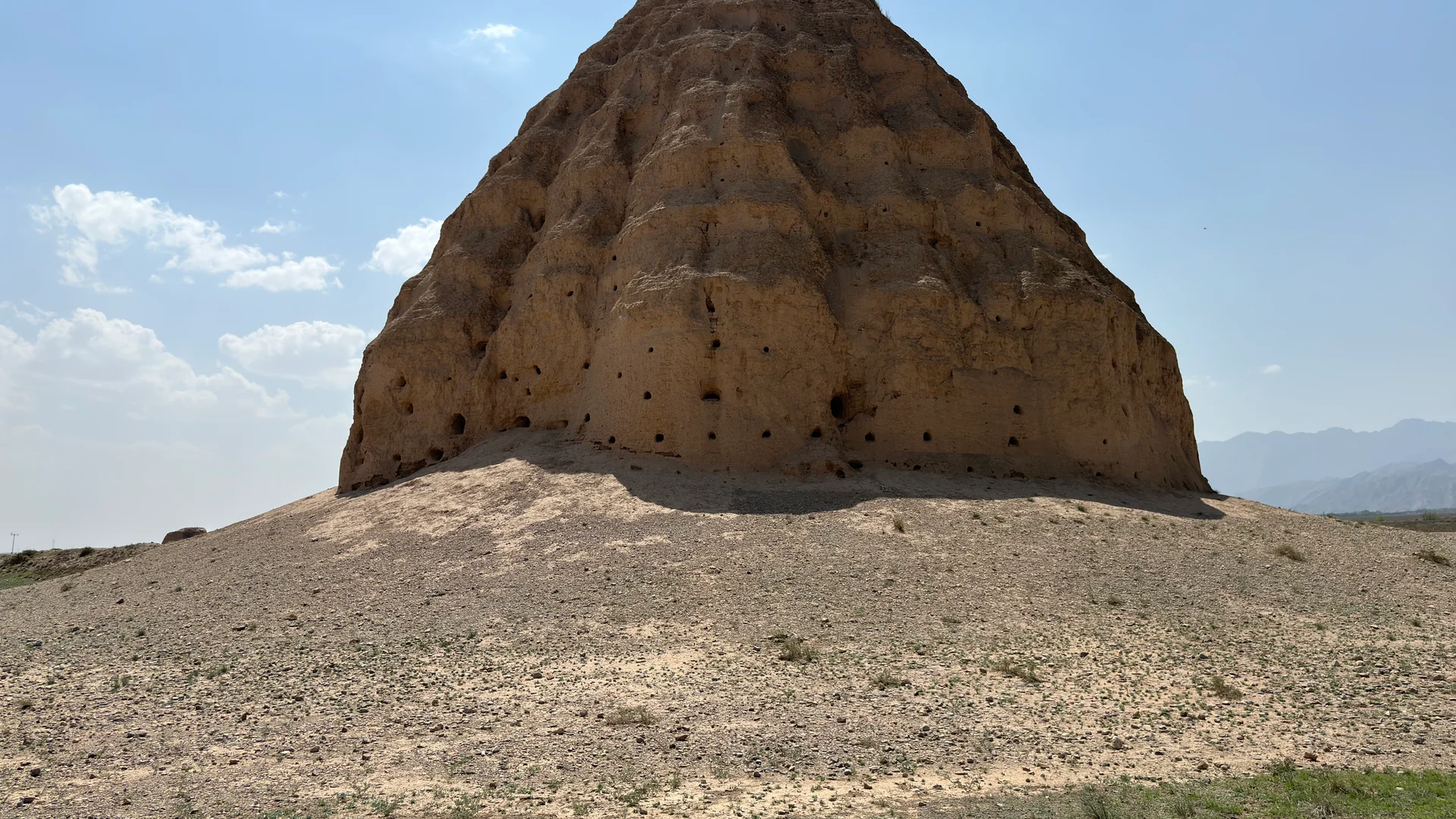
The Xixia Imperial Tombs work because they force the traveler to think at scale. Not only dynastic scale, but landscape scale. Earth-toned mounds, distant mountains, open sky, and widely spaced tomb geometry create a kind of historical reading that is very different from enclosed palace complexes or stone-heavy ruins. The site asks you to hold empire and emptiness in the same frame.
That is exactly why the page matters. Many heritage destinations win immediately through ornament or surviving built detail. The Xixia tombs do not behave that way. Their power is more exposed. A premium page should make this clear from the beginning so the traveler does not arrive looking for the wrong type of monument. This is not a place of intricate preserved interiors. It is a place of burial landscape, large silence, and frontier imagination.
The UNESCO inscription gives the site new attention, but the page should not rely on that alone. Recognition explains why the site matters internationally; it does not explain how it feels on the ground. What the traveler needs is a more practical truth: the destination works when you are willing to read geometry, spacing, weather, and setting as part of the experience rather than as empty gaps between “attractions.”
Why It Works
First, the site gives Ningxia a heritage surface with real civilizational weight. Shapotou already covers desert spectacle and river-resort contrast. The Xixia tombs add political memory, dynastic imagination, and a different sense of desert-edge scale. That broadens the region meaningfully instead of repeating the same landscape logic.
Second, the necropolis is unusually legible once expectations are set correctly. Travelers sometimes assume open tomb landscapes will feel vague or visually thin. The Xixia tombs avoid that problem because the spacing, mound silhouettes, and mountain backdrop belong to one coherent environment. The result is austere, but not abstract.
Third, the site benefits from restraint. It does not need to overwhelm you with detail because the broader composition is already strong. In fact, overexplaining the place can weaken it. A premium page should give enough historical and practical structure to orient the traveler, then let the landscape and tomb logic do the rest.
How To Shape The Visit
Start by deciding whether you are comfortable with large spatial rhythm. The Xixia tombs are not a dense urban heritage zone and not a heavily ornamented archaeological park. The best visit comes when you accept that distance and openness are part of the product.
The second decision is weather. Light, haze, and air clarity all influence whether the site feels monumental or muted. Bright dry conditions often sharpen the relationship between the tombs and the surrounding terrain, while flatter light can make the necropolis feel quieter and more difficult to read. The page should say this plainly.
The third decision is how much you need visible surviving structure. Some travelers are excited by symbolic and spatial heritage even when preservation is partial or earth-built. Others need richer architectural remains. The Xixia tombs will reward the first group more than the second. The page should help users self-select honestly.
A fourth decision is interpretive appetite. This is a destination where historical imagination helps. Not fantasy, but imagination. If you are willing to think about imperial burial, frontier power, and what it means for a royal necropolis to sit at the edge of desert and mountain systems, the page becomes much more persuasive.
What To Prioritize
Prioritize the whole landscape. The tombs are strongest when read as a field rather than as isolated mounds. This is the easiest way to keep the page grounded in actual experience.
Prioritize expectation discipline too. Travelers who insist on palace-like preservation or museum density may under-read the destination. The page is better when it tells them, directly, that this is an open necropolis whose force comes from terrain, spacing, and historical horizon.
It is also worth prioritizing the relationship between new international recognition and older local significance. UNESCO status matters, but it should not replace the on-site reality. The page should use inscription as a trust marker, not as the whole story.
A final priority is language control. The site does not need pseudo-mystical lost-kingdom rhetoric. That kind of writing usually weakens serious heritage pages. The better tone is clearer: this is a royal tomb landscape at the edge of desert and mountain space, and that alone is powerful enough.
What Can Go Wrong
The first mistake is arriving with the wrong visual expectation. If you want richly decorated surviving architecture, the tombs can feel too bare.
Another mistake is reducing the site to UNESCO bragging rights. That turns a real landscape into a status badge and strips away the actual visitor experience.
The third mistake is hurrying. The Xixia tombs are not a page that improves under speed. If you compress the stop too aggressively, the landscape loses much of its persuasive force.
Who Should Save It
Save the Xixia Imperial Tombs if you care about dynastic history, burial landscapes, desert-edge atmosphere, and the kind of heritage that gains power through openness rather than through ornament. It is especially strong for travelers who want Ningxia to feel historically large as well as geographically distinct.
It is weaker for travelers who need dense built detail or who struggle to engage with austere heritage environments. The Xixia tombs are worth it when the traveler values scale, spacing, and historical imagination.
What To Confirm Before You Go
Before finalizing the stop, confirm whether you are comfortable with an open heritage landscape, whether the day's weather supports visibility, and whether you are visiting for spatial-historical force rather than decorative remains. The honest promise is simple: the Xixia Imperial Tombs are rewarding when you let the necropolis read as landscape, not just as a missing palace.
Traveler actions
Save, check in, share, and help other travelers judge whether this place is worth the trip.
Traveler Comments
Share your Xixia Imperial Tombs — The Desert-Edge Royal Necropolis That Gives Ningxia A Civilizational Scale experience
Continue exploring