Quick facts
What to know before you go
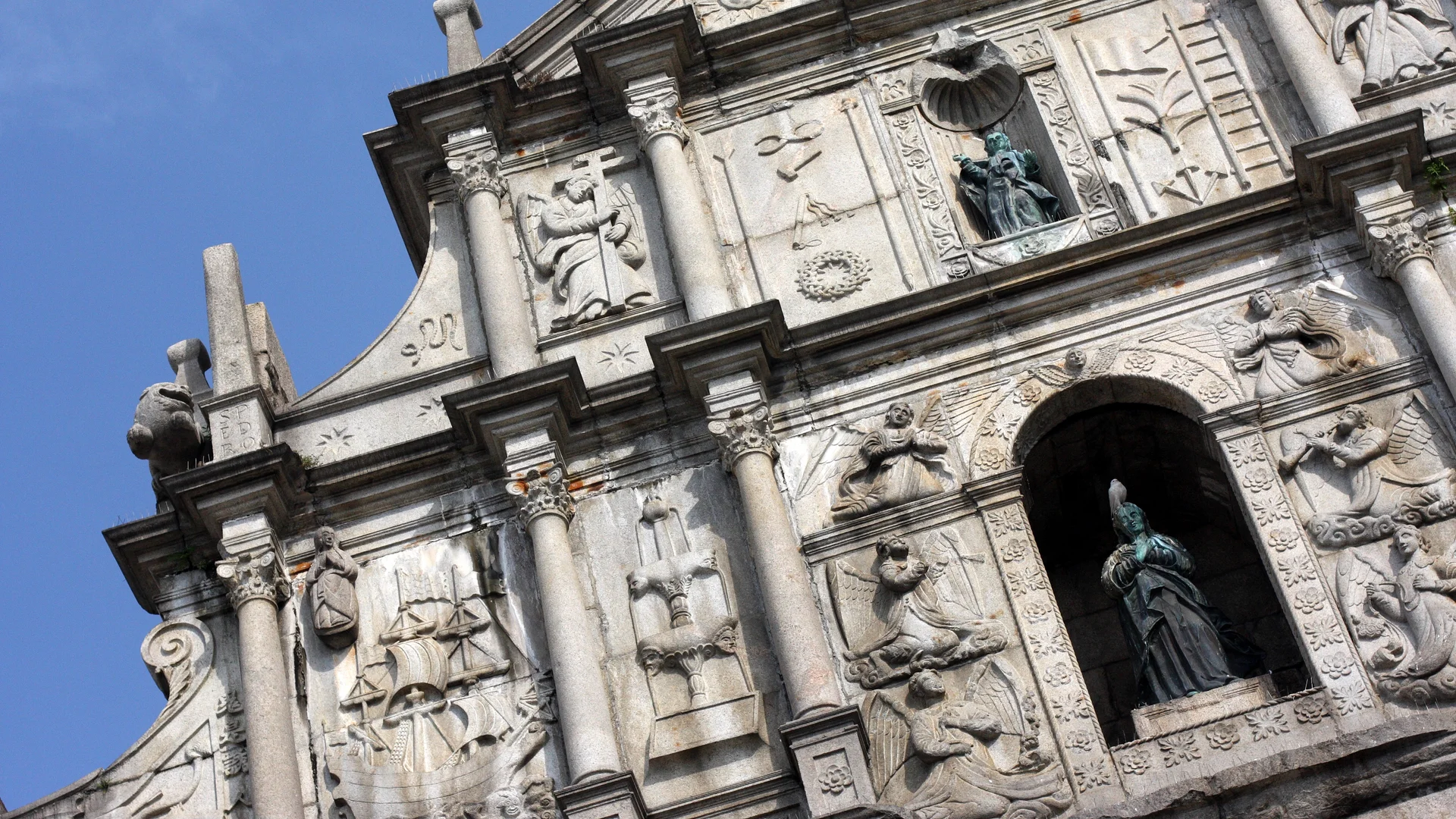
Ruins of St. Paul's — The Macau Façade That Still Works Through Frontality, Memory, And Urban Compression is a curated China Hidden Gems destination in Macao, selected for travelers who want the place, timing, effort, and logistics in one scan.
- Administrative location
- Macau Peninsula, Macao
- Chinese name
- 大三巴牌坊 · Dasanba Paifang
- Best season
- October to December
- Difficulty
- Easy
- Time needed
- 1-2 hours
- Typical cost
- $
- Getting there
- Treat the Ruins as a compact heritage anchor inside a broader Macau walk, not as a stand-alone half-day monument.
Editorial briefing
Why this place works
A practical guide to the Ruins of St. Paul's for travelers deciding whether Macau's most iconic façade deserves real time, with practical notes on heritage context, crowd timing, and why the site works best through urban approach and symbolic frontality rather than through architectural completeness.
Why go
- A practical guide to the Ruins of St. Paul's for travelers deciding whether Macau's most iconic façade deserves real time, with practical notes on heritage context, crowd timing, and why the site works best through urban approach and symbolic frontality rather than through architectural completeness.
- Ruins of St. Paul's — The Macau Façade That Still Works Through Frontality, Memory, And Urban Compression gives travelers a concrete reason to plan around Macau Peninsula, macao, not just a generic first-trip city list.
- It is strongest for heritage façade, macao, world heritage, with enough practical context to compare timing, difficulty, and onward route fit.
Turn this into a trip
Save Ruins of St. Paul's — The Macau Façade That Still Works Through Frontality, Memory, And Urban Compression, then plan around it.
Keep this gem on your device, open it in your bucket list, or start a planner draft with the destination already filled in.
Professional route review
Already combining Ruins of St. Paul's — The Macau Façade That Still Works Through Frontality, Memory, And Urban Compression with other stops?
A Route Reality Check reviews pace, obvious cross-city handoffs, and preparation risks in the route you already built.
No booking, visa service, supplier packaging, funds handling, guarantee, or on-trip support.
Application-based Beta
$29
48-72 hours after acceptance, payment confirmation, and receipt of the complete route.
Review the application boundaryTrip planning intake
Ask whether Ruins of St. Paul's — The Macau Façade That Still Works Through Frontality, Memory, And Urban Compression fits your route.
This is a lightweight planning signal, not an instant concierge. Leave your trip context and a real question, and the team can reply manually after review.
Story visuals
Ruins of St. Paul's — The Macau Façade That Still Works Through Frontality, Memory, And Urban Compression
The Macau Landmark That Works Precisely Because It Is Incomplete
Ruins of St. Paul's is the kind of destination that can be trivialized by overfamiliarity. Almost everyone knows the façade before they arrive. That prior familiarity creates a risk: the visitor can assume the site has already been mentally consumed and that the real-world stop will be little more than obligatory proof. A strong page should push against that. The Ruins work because they are not simply a famous front. They are a powerful fragment set inside a dense urban heritage fabric, and the incompleteness is part of the force.
That distinction matters because façade monuments are easy to oversell or undersell. Oversell them, and travelers arrive expecting a full architectural complex with deep interior exploration. Undersell them, and the stop becomes a quick staircase photo and nothing more. The honest and more useful framing sits between those extremes: this is a high-recognition heritage fragment whose visual power, symbolic memory, and city-context relationship still justify attention when approached properly.
This is why the page adds something important to Macao. Coloane gives the region a village-scale slowdown. Taipa Heritage Route gives it a distributed heritage-walk logic. Ruins of St. Paul's adds concentrated icon power. It is the page that says Macao can still operate at the level of instantly legible heritage symbolism without collapsing into empty postcard tourism.
Why It Works
First, the façade itself is genuinely strong. That sounds obvious, but it matters. Many famous fragments survive on reputation alone. This one still reads powerfully in person. The stone surface, ornament, scale, and frontal composition hold up under real viewing conditions.
Second, the site benefits from urban compression. Ruins of St. Paul's is not experienced in isolation. The approach, the surrounding heritage streets, and the feeling that the city tightens around the monument all contribute to the stop. That context helps the destination feel more complex than a single front-facing image.
Third, the site has world-heritage gravity without requiring long explanation. Even travelers who do not know the full historical layers can sense that the place matters. That makes it efficient and useful in itinerary design: it can deliver strong recognition and real spatial memory in a short time block.
A fourth reason it works is that it rewards honest expectation. The site is not a deep interior monument experience. But when travelers understand that the value lies in form, memory, and urban relation, the stop can outperform larger but less coherent landmarks.
How To Shape The Visit
Start by deciding whether Ruins of St. Paul's is a quick icon stop or a focal point inside a broader heritage walk. The second approach is usually stronger. The site becomes more defensible when you connect it to the surrounding urban texture rather than isolating it as one staircase-and-facade photo event.
The second decision is timing. Crowd flow matters here more than at some larger sites because the landmark is compact and heavily photographed. Early or less compressed windows usually produce a cleaner experience and let the façade feel more monumental.
The third decision is expectation discipline. If the traveler expects deep architectural completeness, the stop can feel too slight. If the traveler accepts that this is a fragment whose frontality is the point, the site becomes much easier to value correctly.
A fourth decision is how much heritage context you want to bring. The site benefits from some historical framing, but it should not need a lecture to work. The page should support cultural understanding while preserving the directness of the experience.
What To Prioritize
Prioritize approach and context. The site is stronger when reached as part of a heritage fabric instead of as a detached icon.
Prioritize frontality too. This is one of those landmarks where the main visual relationship really does matter.
It is also worth prioritizing crowd timing. Compression can thin the experience if handled poorly.
A final priority is keeping the promise honest. Ruins of St. Paul's is about fragment power, not architectural completeness.
What Can Go Wrong
The first mistake is treating the stop as nothing more than a proof photo and never letting the urban context register.
Another mistake is expecting a full monument complex and judging the site by what no longer exists.
The third mistake is arriving at maximum crowd compression and concluding that the landmark itself is the problem.
Who Should Save It
Save Ruins of St. Paul's if you care about heritage icons, strong urban approaches, and places where a fragment can still carry immense cultural weight. It is especially good for travelers who want one Macao page with maximum recognition and still enough substance to feel justified.
It is weaker for travelers who only value large intact monuments or who dislike famous landmarks on principle. Ruins of St. Paul's is worth it when the traveler is willing to let frontality, memory, and city compression do the work.
What To Confirm Before You Go
Before finalizing the stop, decide whether you are pairing it with a broader heritage route, protect a lower-density time window if possible, and align your expectation with a powerful fragment rather than a complete building. Keep in mind that the strongest visit usually comes from linking the façade to the surrounding streets instead of isolating it as one staircase stop. The honest promise is simple: Ruins of St. Paul's is rewarding when you approach it as a compressed urban icon with real symbolic force, not as a missing monument to complain about.
Traveler actions
Save, check in, share, and help other travelers judge whether this place is worth the trip.
Traveler Comments
Share your Ruins of St. Paul's — The Macau Façade That Still Works Through Frontality, Memory, And Urban Compression experience
Continue exploring
More in macao
View all →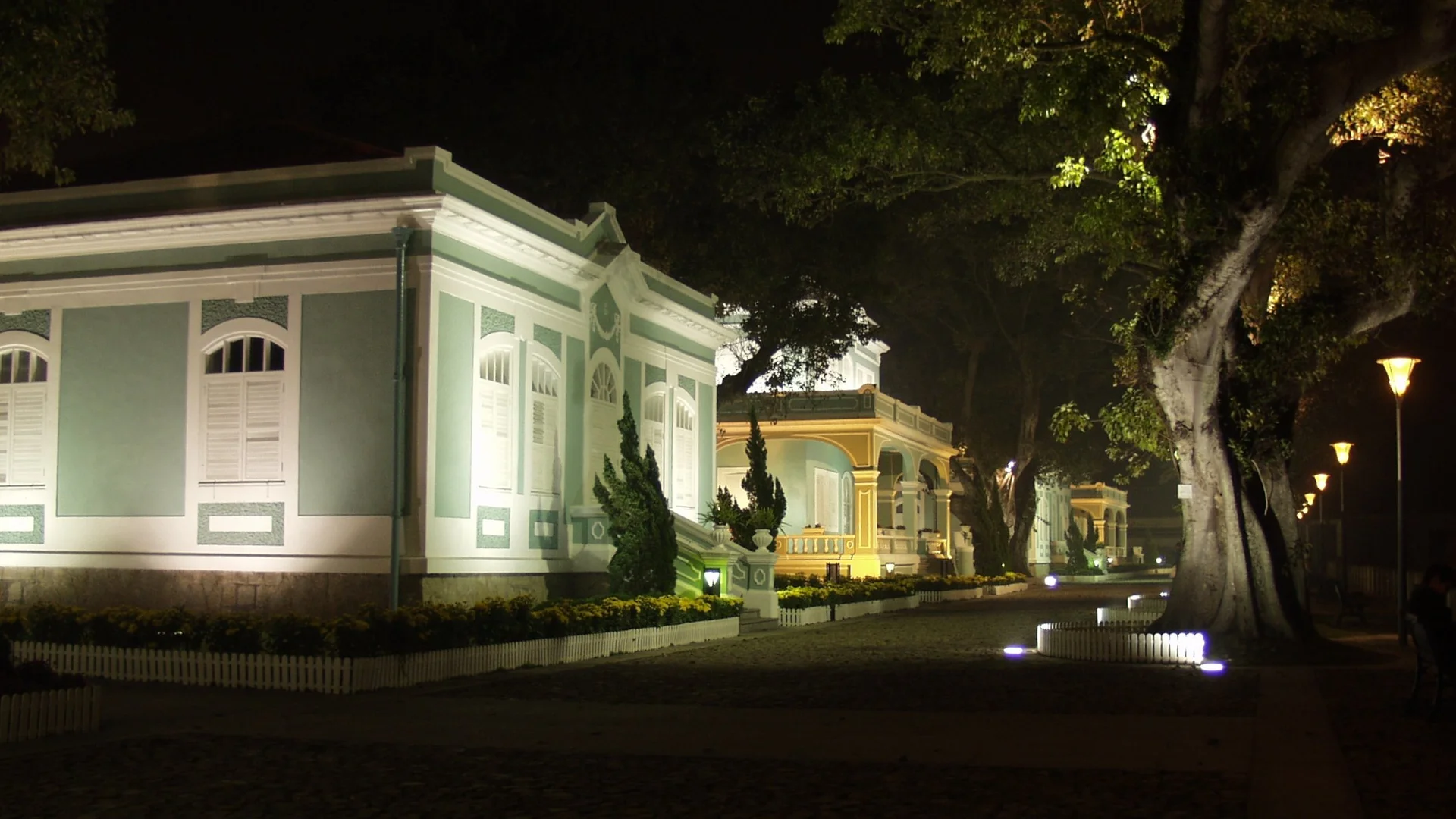 macao
macao Taipa Heritage Route — The Macao Quarter Where Streets, Houses, And Snacks Still Hold Together
氹仔历史城区 · Taipa Lishi Chengqu
A practical guide to Taipa Heritage Route for travelers deciding whether Macao's old Taipa quarter deserves a proper walk, with practical notes on street order, houses, food stops, and why Taipa works best when treated as one coherent quarter instead of a snack-strip detour.
- macao
- October to March
- Easy
 macao
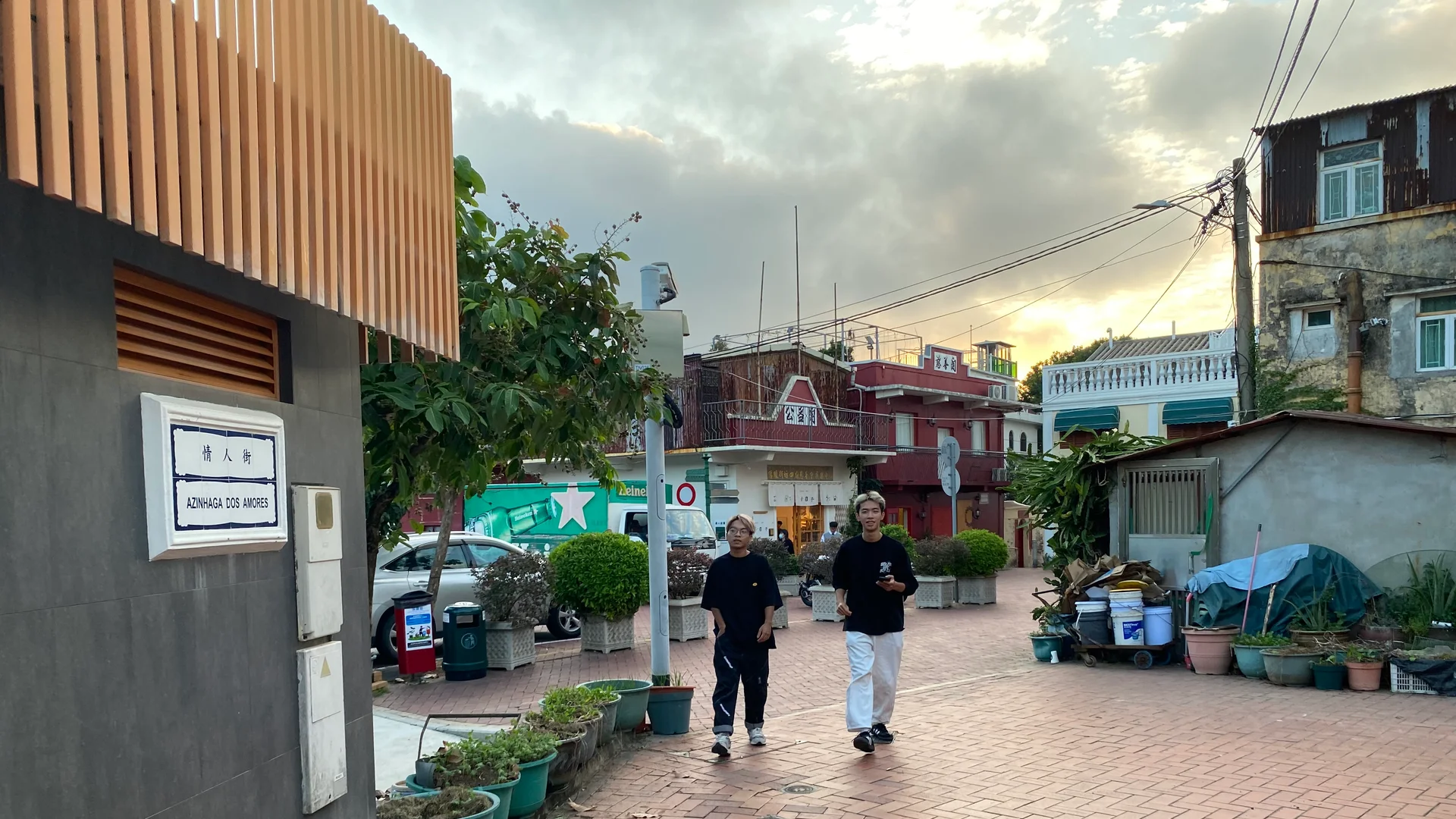
macao Coloane Village — The Macao Side That Still Moves At Walking Pace
路环 · Coloane
A practical guide to Coloane Village for travelers deciding whether Macao's quiet southern quarter deserves real time, with practical notes on pier rhythm, chapel-and-lane walking, and why Coloane works best as a village-scale coastal route instead of a quick contrast stop.
- macao
- October to March
- Easy