Quick facts
What to know before you go
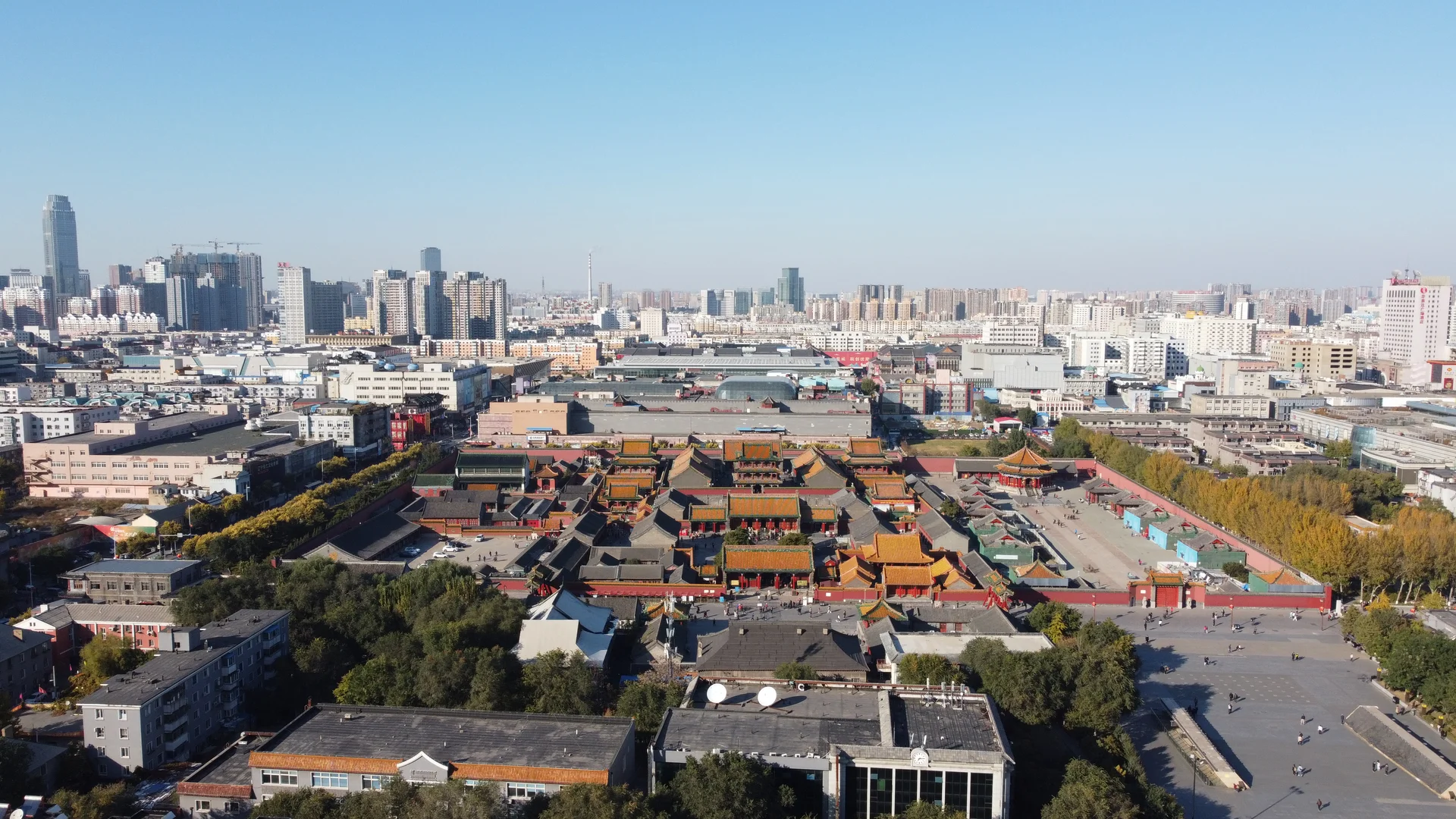
Shenyang Imperial Palace — The Qing Founding Palace That Feels More Legible Than Beijing's Forbidden City is a curated China Hidden Gems destination in Liaoning, selected for travelers who want the place, timing, effort, and logistics in one scan.
- Administrative location
- Shenhe District, Shenyang, Liaoning
- Chinese name
- 沈阳故宫 · Shenyang Gugong
- Best season
- April to June and September to October
- Difficulty
- Easy
- Time needed
- 2-4 hours
- Typical cost
- $$
- Getting there
- Treat the palace as the core of a focused Shenyang old-city heritage stop rather than as a quick photo detour between modern-city errands.
Official planning links
Editorial briefing
Why this place works
A practical guide to the Shenyang Imperial Palace for travelers deciding whether this Liaoning palace-museum deserves focused time, with practical notes on dynastic context, architectural readability, and why the site works best as a founding-Qing palace rather than as a smaller substitute for Beijing.
Why go
- A practical guide to the Shenyang Imperial Palace for travelers deciding whether this Liaoning palace-museum deserves focused time, with practical notes on dynastic context, architectural readability, and why the site works best as a founding-Qing palace rather than as a smaller substitute for Beijing.
- Shenyang Imperial Palace — The Qing Founding Palace That Feels More Legible Than Beijing's Forbidden City gives travelers a concrete reason to plan around Shenyang, liaoning, not just a generic first-trip city list.
- It is strongest for imperial palace, liaoning, qing history, with enough practical context to compare timing, difficulty, and onward route fit.
Turn this into a trip
Save Shenyang Imperial Palace — The Qing Founding Palace That Feels More Legible Than Beijing's Forbidden City, then plan around it.
Keep this gem on your device, open it in your bucket list, or start a planner draft with the destination already filled in.
Professional route review
Already combining Shenyang Imperial Palace — The Qing Founding Palace That Feels More Legible Than Beijing's Forbidden City with other stops?
A Route Reality Check reviews pace, obvious cross-city handoffs, and preparation risks in the route you already built.
No booking, visa service, supplier packaging, funds handling, guarantee, or on-trip support.
Application-based Beta
$29
48-72 hours after acceptance, payment confirmation, and receipt of the complete route.
Review the application boundaryTrip planning intake
Ask whether Shenyang Imperial Palace — The Qing Founding Palace That Feels More Legible Than Beijing's Forbidden City fits your route.
This is a lightweight planning signal, not an instant concierge. Leave your trip context and a real question, and the team can reply manually after review.
Story visuals
Shenyang Imperial Palace — The Qing Founding Palace That Feels More Legible Than Beijing's Forbidden City
The Palace That Works Because It Tells A Founding Story Instead Of Repeating Beijing
Shenyang Imperial Palace is often weakened by the laziest possible comparison. People hear that it is one of China's two preserved imperial palace complexes and immediately frame it as a smaller, lesser, provincial version of Beijing's Forbidden City. That framing is convenient, but it strips the site of the reason it is worth traveling for. Shenyang works best when it is treated as a founding-Qing palace: more compact, more legible, and more revealing about dynastic transition than many travelers expect.
That distinction matters because large palace sites can become exhausting even when they are historically important. Their prestige is obvious, but their logic can blur. Shenyang avoids some of that fatigue. The complex is not trying to overwhelm through endless imperial scale. It is persuasive because the traveler can read it. The architecture, the ceremonial spaces, and the hybrid court identity feel graspable in a few hours. Instead of drowning in magnitude, visitors can actually understand what kind of power this place was built to express.
A premium destination page should therefore avoid promising only "another palace." It should make a sharper argument: this is the palace of a dynasty before Beijing became its unquestioned symbolic center. That gives Shenyang a different energy. There is more frontier-state formation in the atmosphere, more early-Qing identity, and more room to notice where Manchu court logic and broader imperial architectural language meet.
Why It Works
First, the site is readable. That matters more than many travelers realize. Palace compounds can turn into an exercise in dutiful walking if the scale exceeds your ability to connect one section to another. Shenyang stays coherent. You can move through the complex and still retain a sense of sequence, hierarchy, and architectural emphasis.
Second, it gives northeastern China a page with real civilizational weight that is not built on seasonal novelty. Liaoning already has pages that work through coast, cave, and unusual landscape texture. Shenyang adds court history and imperial statecraft. It broadens the province beyond scenic outlier logic.
Third, the palace benefits from architectural character rather than only from historical pedigree. The complex is not memorable simply because it is famous. It is memorable because its buildings, rooflines, courtyards, and decorative details reward looking. Travelers who care about how power becomes built form tend to find the site more satisfying than they expected.
A fourth reason it works is psychological. The smaller scale lowers the barrier to entry for travelers who might bounce off larger palace experiences. You do not need a full day of stamina to extract value here. That makes the destination unusually efficient for a route where Shenyang is one stop among several.
How To Shape The Visit
Start by deciding whether you are visiting for imperial prestige or for dynastic legibility. Legibility is the stronger reason. The palace becomes easier to defend when the traveler goes in wanting to understand the early Qing court world rather than to check off another famous compound.
The second decision is pacing. Shenyang Imperial Palace does not need marathon pacing, but it does need attention. If you hurry only for exterior photos and quick room-to-room scanning, the site can feel smaller than it is. It lands better when you slow down enough to notice how ceremonial order, domestic life, and political symbolism were spatially arranged.
The third decision is comparison discipline. It is fine to carry Beijing in your head, but using Beijing as the only benchmark is a mistake. The relevant question is not whether Shenyang is grander. It is whether it offers a more interpretable chapter in the making of Qing power. Often the answer is yes.
A fourth decision is route fit. The palace is strong as the anchor of a Shenyang old-city heritage half day. It is weaker if squeezed into the margins of a logistics-heavy city stop with no mental room left for architectural reading.
What To Prioritize
Prioritize the sense of transition. This site is most powerful when it is read as a palace from a formative moment rather than as a late, perfected imperial machine.
Prioritize exterior architecture and spatial order too. The relationship between courtyards, halls, and circulation patterns carries much of the site's meaning.
It is also worth paying attention to difference rather than sameness. The palace becomes richer when you look for what distinguishes it from the imperial image already fixed in most travelers' minds.
A final priority is intellectual honesty. This is not the place to seek the most overwhelming palace scale in China. It is the place to seek a more intelligible palace story.
What Can Go Wrong
The first mistake is arriving with a substitute mindset and assuming that anything smaller than Beijing is automatically secondary.
Another mistake is moving too fast and letting the visit collapse into generic heritage appreciation without understanding what period and political transition the palace actually represents.
The third mistake is expecting pure scenic drama from every courtyard. Shenyang is rewarding, but much of the reward is historical and architectural clarity rather than theatrical monumentality alone.
Who Should Save It
Save Shenyang Imperial Palace if you care about dynastic history, court architecture, and destinations that are easier to read than their more famous counterparts. It is especially strong for travelers building a northeast route that needs one page with deep imperial weight.
It is weaker for travelers who only want the single biggest palace spectacle or who have no patience for contextual heritage reading. The site delivers best when you value comprehension as much as grandeur.
What To Confirm Before You Go
Before locking it in, decide whether you actually want a palace that can be understood in one concentrated visit, whether founding-Qing history is more appealing to you than sheer imperial bigness, and whether your Shenyang stop has enough time to let the complex unfold as architecture instead of as a hurried museum circuit. It also helps to ask whether your route needs a northeastern destination with historical density rather than only landscape novelty, because Shenyang does exactly that work. Another useful check is whether you are willing to judge the palace on clarity, character, and dynastic significance instead of on brute scale. If the answer is yes, this becomes a very rational save. The honest promise is simple: Shenyang Imperial Palace is rewarding when you approach it as the readable palace of a rising dynasty, not as a diminished copy of Beijing.
Traveler actions
Save, check in, share, and help other travelers judge whether this place is worth the trip.
Traveler Comments
Share your Shenyang Imperial Palace — The Qing Founding Palace That Feels More Legible Than Beijing's Forbidden City experience
Continue exploring
More in liaoning
View all →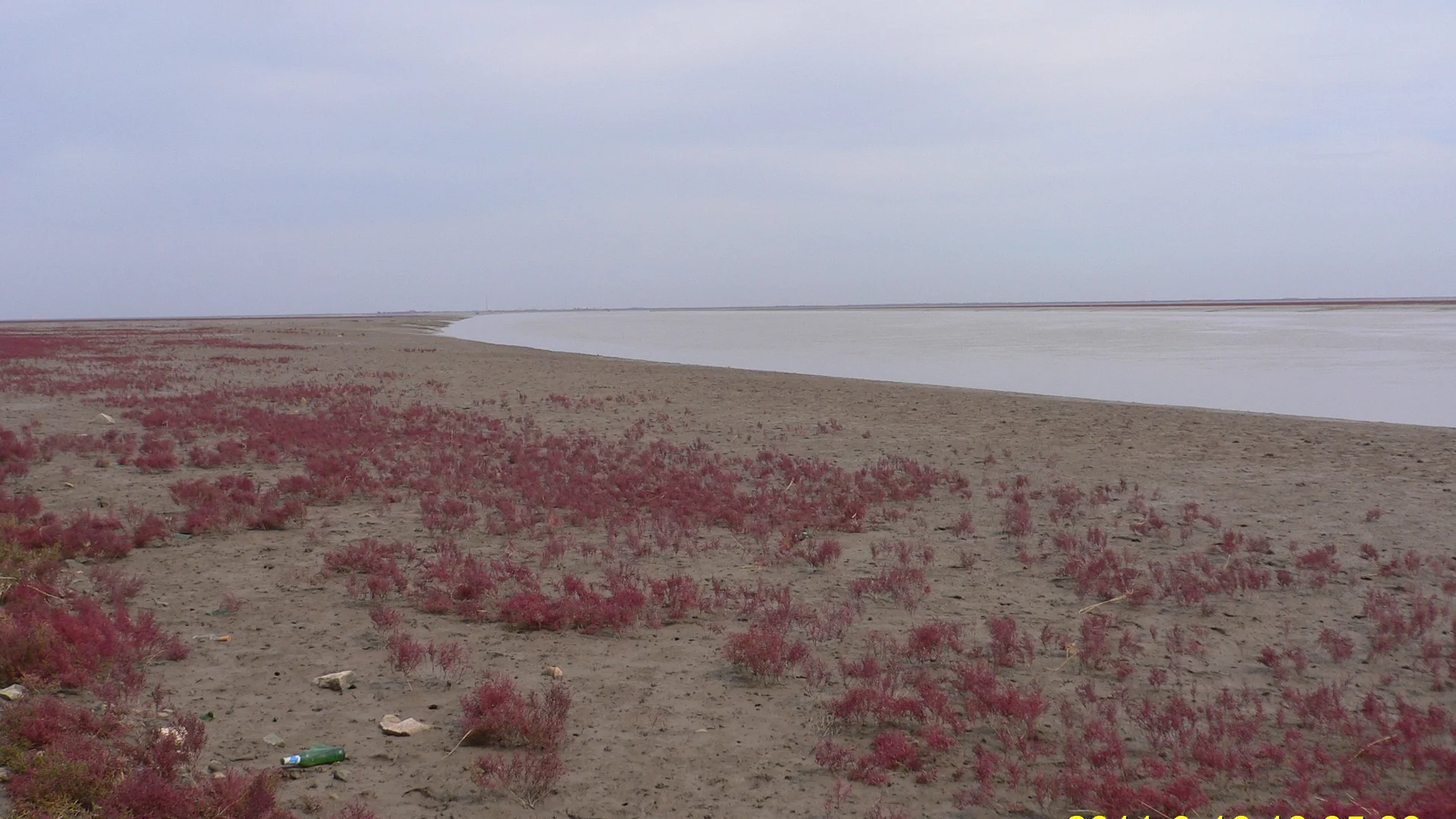 liaoning
 Panjin Red Beach — The Wetland Corridor That Only Works When You Respect Seasonality
盘锦红海滩 · Panjin Honghaitan
A practical guide to Panjin Red Beach for travelers deciding whether the autumn wetland is really worth the trip, with honest notes on color timing, boardwalk expectations, ecological context, and why the destination works best as a seasonal corridor rather than a guaranteed scarlet postcard.
- liaoning
- September to October
- Easy
 liaoning
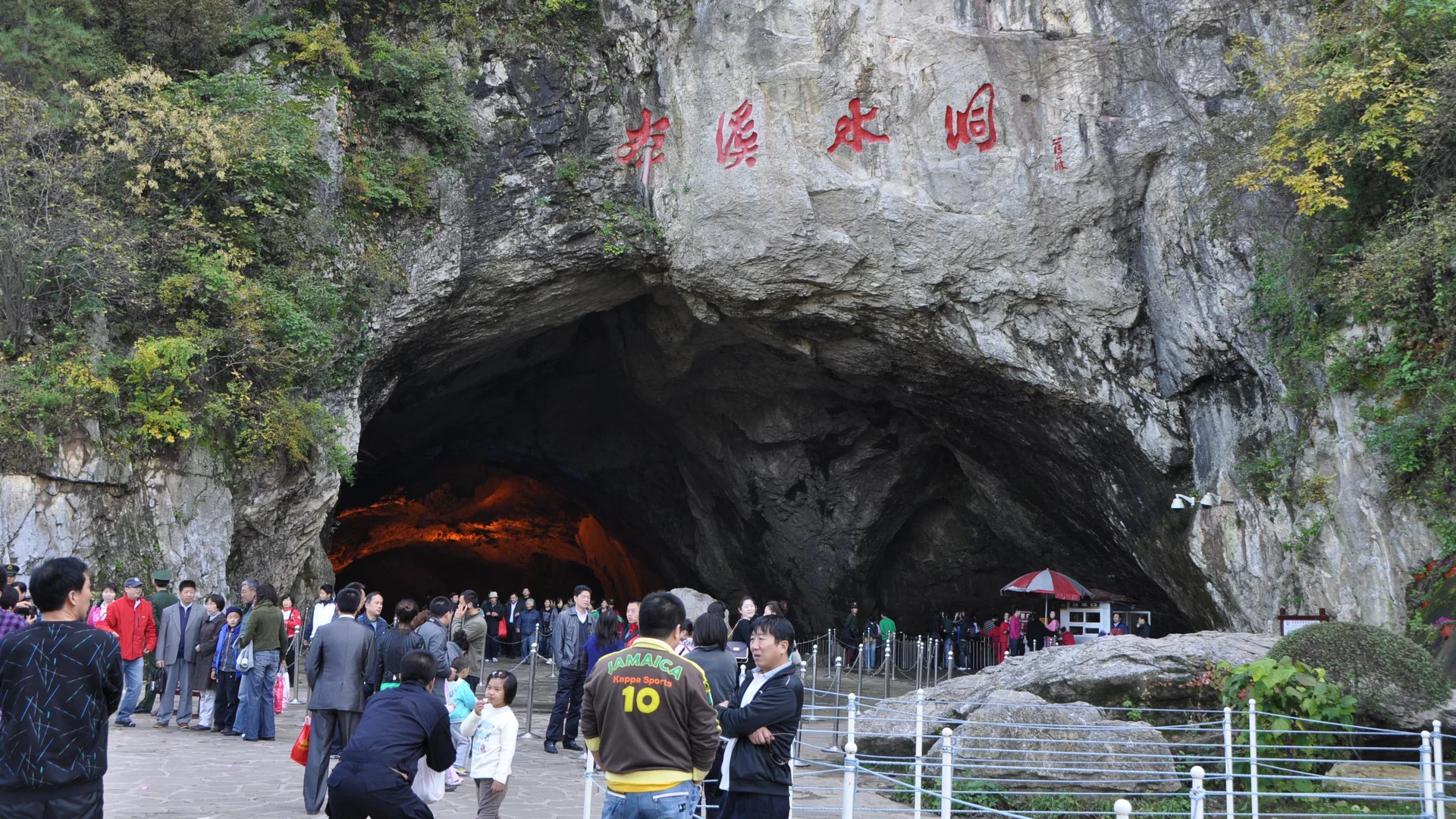
 Benxi Water Cave — The Underground River Journey That Still Feels Stranger Than Its Marketing
本溪水洞 · Benxi Shuidong
A practical guide to Benxi Water Cave for travelers deciding whether this underground river cave deserves a dedicated day trip, with practical notes on boat-ride expectations, cave climate, scenic-area packaging, and why Benxi works best as a subterranean route rather than as a superlative-driven gimmick stop.
- liaoning
- May to October
- Easy