Quick facts
What to know before you go
Shennongjia — The Mid-Latitude Forest That Only Works If You Respect Distance And Weather is a curated China Hidden Gems destination in Hubei, selected for travelers who want the place, timing, effort, and logistics in one scan.
- Administrative location
- Shennongjia, Hubei
- Chinese name
- 神农架 · Shennongjia
- Best season
- May to October
- Difficulty
- Moderate
- Time needed
- 1-2 days
- Typical cost
- $$
- Getting there
- Treat Shennongjia as a mountain-forest route with real road time and weather dependence rather than as a compact scenic stop.
Editorial briefing
Why this place works
A practical guide to Shennongjia for travelers deciding whether Hubei's highland forest deserves a full route block, with practical notes on distance, elevation, weather, and why the park works best when approached as a mountain-scale journey instead of a vague wilderness fantasy.
Why go
- A practical guide to Shennongjia for travelers deciding whether Hubei's highland forest deserves a full route block, with practical notes on distance, elevation, weather, and why the park works best when approached as a mountain-scale journey instead of a vague wilderness fantasy.
- Shennongjia — The Mid-Latitude Forest That Only Works If You Respect Distance And Weather gives travelers a concrete reason to plan around Shennongjia, hubei, not just a generic first-trip city list.
- It is strongest for forest, mountains, nature, with enough practical context to compare timing, difficulty, and onward route fit.
Turn this into a trip
Save Shennongjia — The Mid-Latitude Forest That Only Works If You Respect Distance And Weather, then plan around it.
Keep this gem on your device, open it in your bucket list, or start a planner draft with the destination already filled in.
Professional route review
Already combining Shennongjia — The Mid-Latitude Forest That Only Works If You Respect Distance And Weather with other stops?
A Route Reality Check reviews pace, obvious cross-city handoffs, and preparation risks in the route you already built.
No booking, visa service, supplier packaging, funds handling, guarantee, or on-trip support.
Application-based Beta
$29
48-72 hours after acceptance, payment confirmation, and receipt of the complete route.
Review the application boundaryTrip planning intake
Ask whether Shennongjia — The Mid-Latitude Forest That Only Works If You Respect Distance And Weather fits your route.
This is a lightweight planning signal, not an instant concierge. Leave your trip context and a real question, and the team can reply manually after review.
Story visuals
Shennongjia — The Mid-Latitude Forest That Only Works If You Respect Distance And Weather
The Forest Route That Gets Better Once You Stop Asking It To Behave Like A Theme
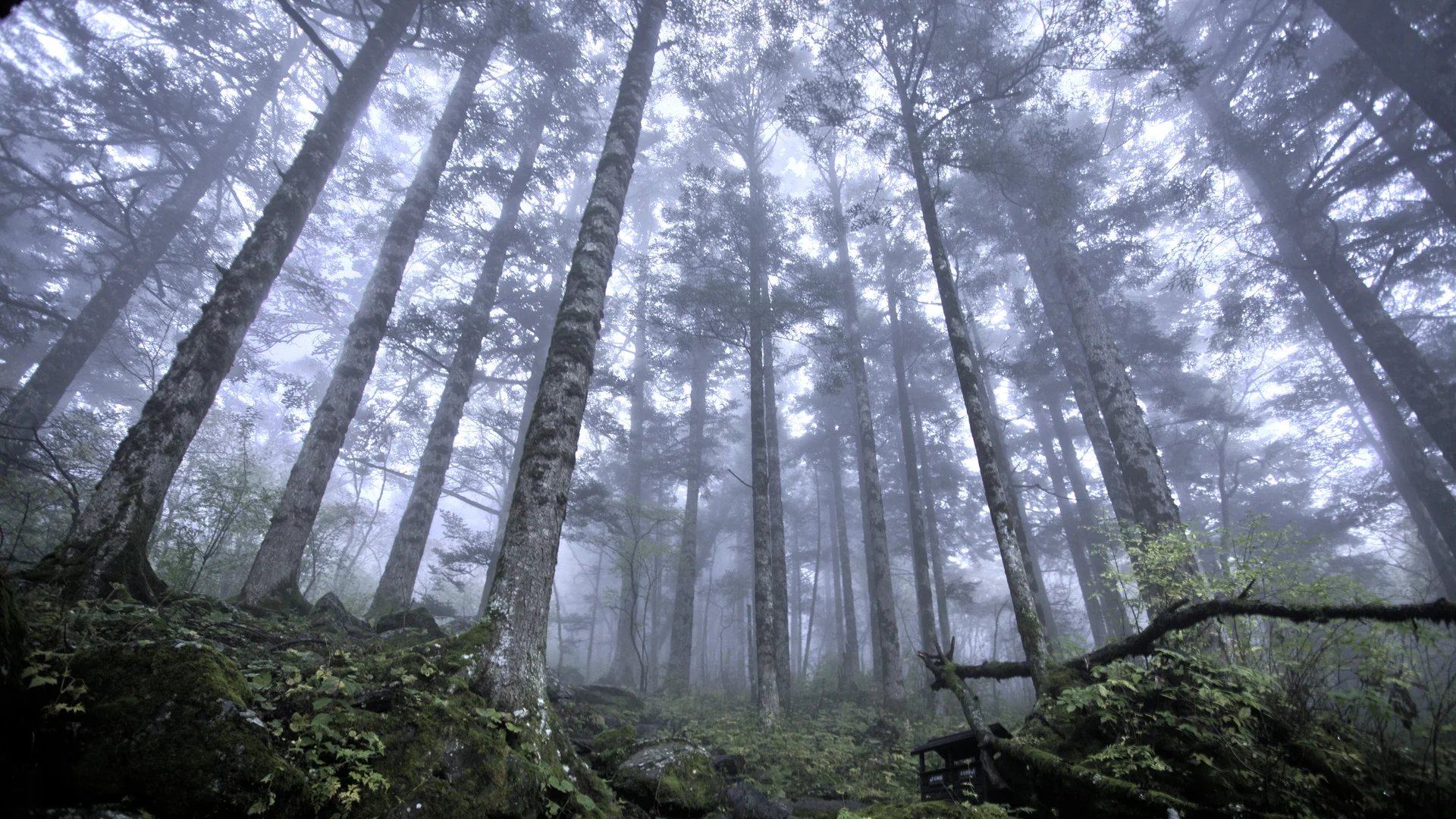
Shennongjia is often introduced through mystery. People mention hidden creatures, white animals, remote mountains, or some vague sense that the place is stranger than the rest of central China. That kind of framing attracts attention, but it weakens the destination. Shennongjia is much stronger when the page abandons the myth bait and treats the area for what it is: a very large, very real mountain-forest route where distance, weather, elevation, and intact mid-latitude forest matter more than fantasy.
That matters because forest destinations can easily become mush in English travel writing. If the copy only says pristine, wild, and green, nothing meaningful remains. A serious page should help the user understand why Shennongjia feels different. It is the scale of the road movement, the persistence of forest, the changing visibility, and the sense that the route must be respected rather than merely consumed.
Why It Works
First, Shennongjia changes Hubei's emotional register. Wudang gives the province mountain spirituality and built heritage. Shennongjia gives it altitude, forest mass, and a sense of weather-shaped distance. That makes it a useful second anchor rather than a redundant one.
Second, it works because the environment is legible without being simplistic. Forested ridges, long road sections, valleys, weather shifts, and abrupt changes in atmosphere create a route that feels bigger than a normal scenic stop. The destination belongs in the pool not because it is easy, but because it has genuine geographic weight.
Third, the page has real planning value. Visibility, rainfall, season, road time, and energy level all materially affect the day. Those are not minor footnotes. They are the conditions that determine whether the route feels expansive or merely tiring. Premium guidance should surface that directly.
How To Shape The Route
Start by deciding whether the trip is forest-first or viewpoint-first. Viewpoint-first can produce some reward, but it often shrinks Shennongjia into a set of isolated scenic payoffs. Forest-first is better. It helps the traveler treat the destination as a mountain route whose meaning comes from moving through altitude and weather rather than from touching a single named overlook.
The second decision is road tolerance. Shennongjia is not a compact urban heritage page where the next reward sits around the corner. The route asks the traveler to accept movement as part of the destination. For the right visitor, that is a strength. For the wrong one, it can feel like dilution. The page should help people make that decision honestly.
The third decision is season. This is not a static landscape. Snow, mist, clear skies, and dense summer green all create different destinations. The strongest copy does not promise one fixed visual result. It explains that Shennongjia rewards people who accept the forest and mountain atmosphere on the route’s own terms.
A fourth decision is narrative discipline. Shennongjia is often marketed through rarity and legend, but the guide should favor clarity over folklore. The destination is strong enough without turning it into a cryptid page. Its real premium value is intact mountain-forest scale inside a province many users would otherwise reduce to river cities and temple mountains.
There is also a fifth decision: whether to treat the route as a park of highlights or a mountain system. The second approach is harder but better. It helps the traveler notice that the roads, ridges, weather windows, and forest mass are what give Shennongjia its force.
What To Prioritize
Prioritize weather and visibility over ambition. On a clear day, long views and ridge context will matter more. In denser mist or flatter light, the forest itself may become the real subject. The route changes, but it does not necessarily weaken.
The page should also prioritize energy management. Long mountain movement, altitude, and changing weather can drain a day faster than users expect. The premium difference is helping them protect enough capacity to still enjoy the forest when it arrives instead of merely enduring transport between scenic points.
It is also worth prioritizing the fact that Shennongjia is not all about spectacle. Some of its best value comes from atmosphere and continuity rather than from one singular visual climax. That is exactly why a strong page can save the destination from being either oversold or overlooked.
Who Should Save It
Save Shennongjia if you want one Hubei destination defined by highland forest, weather, and route scale rather than by architecture or city texture. It is especially strong for travelers who are comfortable with longer scenic movement and who understand that mountain forests work through atmosphere as much as through viewpoint payoffs.
It is weaker for travelers who need dense landmark frequency or who become impatient with road-heavy scenic days. Shennongjia rewards people who accept that distance itself is part of the experience.
What To Confirm Before You Go
Before finalizing the route, confirm what seasonal conditions are likely to do, whether the day has enough buffer for weather, and how much time and energy the itinerary can actually give to a highland forest. The honest promise is simple: Shennongjia is worth it when the traveler respects the route’s scale and weather instead of demanding a compact highlight reel.
How To Use This Page In The Tools
Shennongjia should hand off to planning as a weather-and-distance problem: build one mountain-forest day around realistic road time, visibility expectations, and enough energy for the forest itself to matter beyond isolated viewpoints.
Traveler actions
Save, check in, share, and help other travelers judge whether this place is worth the trip.
Traveler Comments
Share your Shennongjia — The Mid-Latitude Forest That Only Works If You Respect Distance And Weather experience
Continue exploring
More in hubei
View all →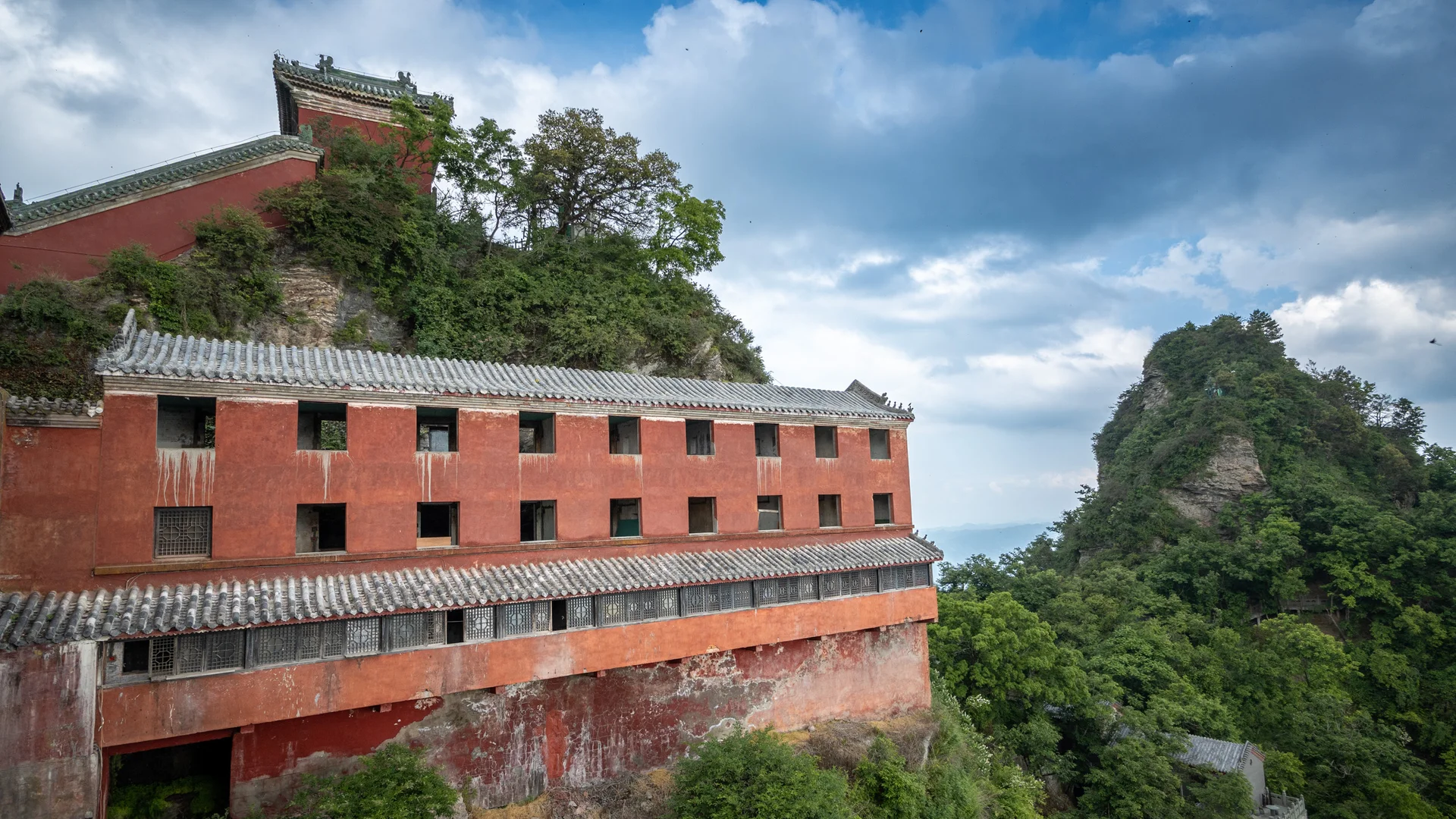 hubei
hubei Wudang Mountains — The Taoist Mountain Complex Where Architecture, Peaks, And Practice Still Align
武当山 · Wudang Shan
A practical guide to Wudang Mountains for travelers deciding between a summit-led day and a deeper Taoist-complex route, with honest notes on Golden Summit, Purple Cloud Palace, internal transport, and how to experience Wudang as more than a martial-arts cliché.
- hubei
- April to June and September to November
- Moderate
 hubei
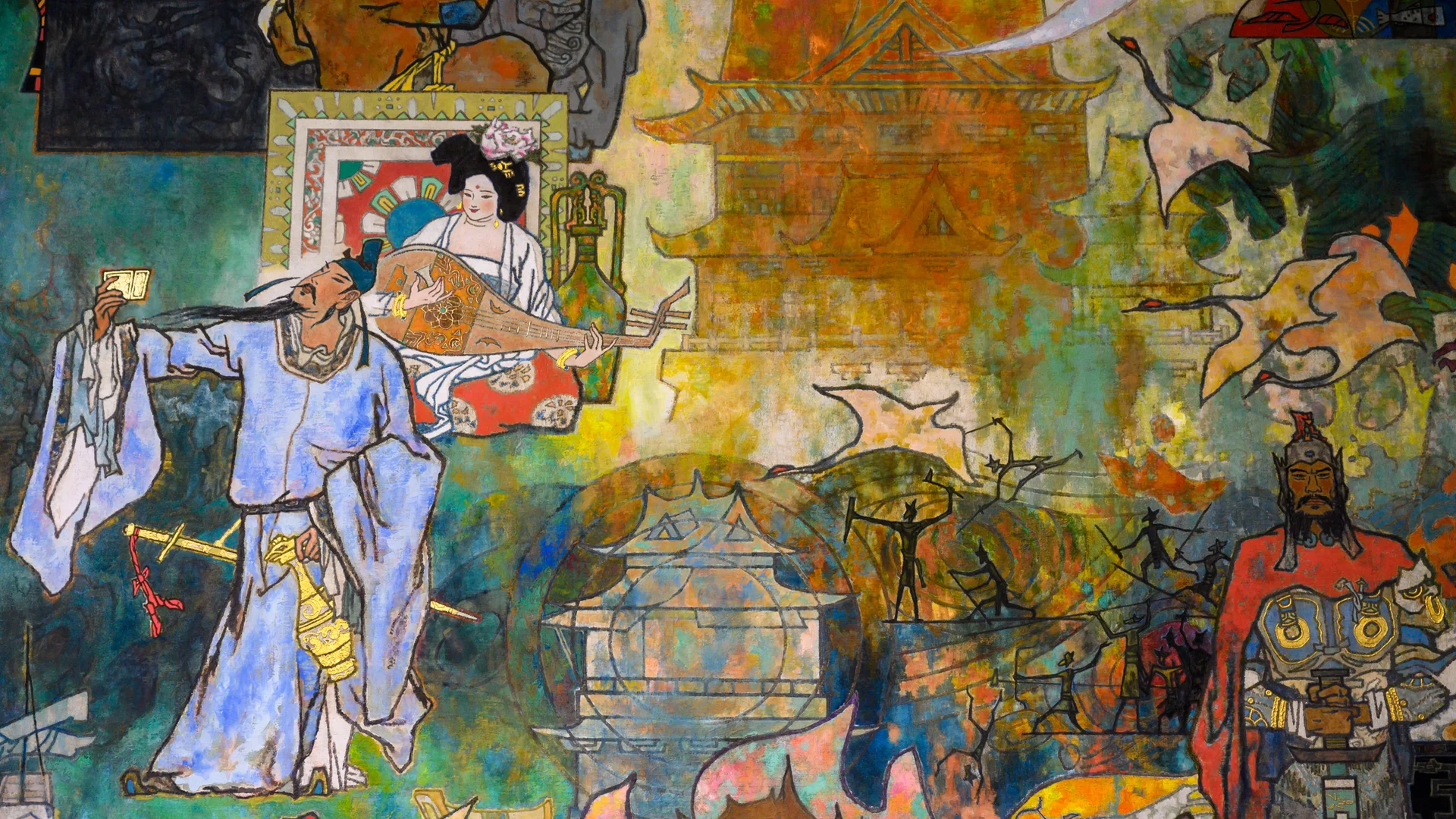
hubei Yellow Crane Tower — The Wuhan Landmark That Still Works As A City-Level Cultural Viewpoint
黄鹤楼 · Huanghelou
A practical guide to Yellow Crane Tower for travelers deciding whether Wuhan's best-known landmark deserves real time, with practical notes on skyline views, symbolic weight, and why the tower works best as a city-scale cultural viewpoint rather than as an interior-heavy historic site.
- hubei
- March to May and October to November
- Easy