Quick facts
What to know before you go
Hakka Tulou — The Earthen Fortress Landscape That Still Feels Unbelievable is a curated China Hidden Gems destination in Fujian, selected for travelers who want the place, timing, effort, and logistics in one scan.
- Administrative location
- Zhangzhou, Fujian
- Chinese name
- 福建土楼 · Fujian Tulou
- Best season
- March to May and September to November
- Difficulty
- Easy
- Time needed
- Full day to overnight
- Typical cost
- $$
- Getting there
- Choose Yongding-led or Nanjing-led routing before arrival, and do not treat the tulou region like a single walkable compound.
Editorial briefing
Why this place works
A practical guide to Hakka Tulou for travelers choosing between Yongding and Nanjing clusters, with honest notes on Tianluokeng versus Chengqi Lou, why an overnight stay can matter, and how to experience the tulou as a living architectural landscape rather than a one-photo curiosity.
Why go
- A practical guide to Hakka Tulou for travelers choosing between Yongding and Nanjing clusters, with honest notes on Tianluokeng versus Chengqi Lou, why an overnight stay can matter, and how to experience the tulou as a living architectural landscape rather than a one-photo curiosity.
- Hakka Tulou — The Earthen Fortress Landscape That Still Feels Unbelievable gives travelers a concrete reason to plan around Zhangzhou, fujian, not just a generic first-trip city list.
- It is strongest for architecture, unesco, culture, with enough practical context to compare timing, difficulty, and onward route fit.
Turn this into a trip
Save Hakka Tulou — The Earthen Fortress Landscape That Still Feels Unbelievable, then plan around it.
Keep this gem on your device, open it in your bucket list, or start a planner draft with the destination already filled in.
Professional route review
Already combining Hakka Tulou — The Earthen Fortress Landscape That Still Feels Unbelievable with other stops?
A Route Reality Check reviews pace, obvious cross-city handoffs, and preparation risks in the route you already built.
No booking, visa service, supplier packaging, funds handling, guarantee, or on-trip support.
Application-based Beta
$29
48-72 hours after acceptance, payment confirmation, and receipt of the complete route.
Review the application boundaryTrip planning intake
Ask whether Hakka Tulou — The Earthen Fortress Landscape That Still Feels Unbelievable fits your route.
This is a lightweight planning signal, not an instant concierge. Leave your trip context and a real question, and the team can reply manually after review.
Story visuals
Hakka Tulou — The Earthen Fortress Landscape That Still Feels Unbelievable
The Fujian Destination That Is Stronger As A Landscape Than As A Single Building
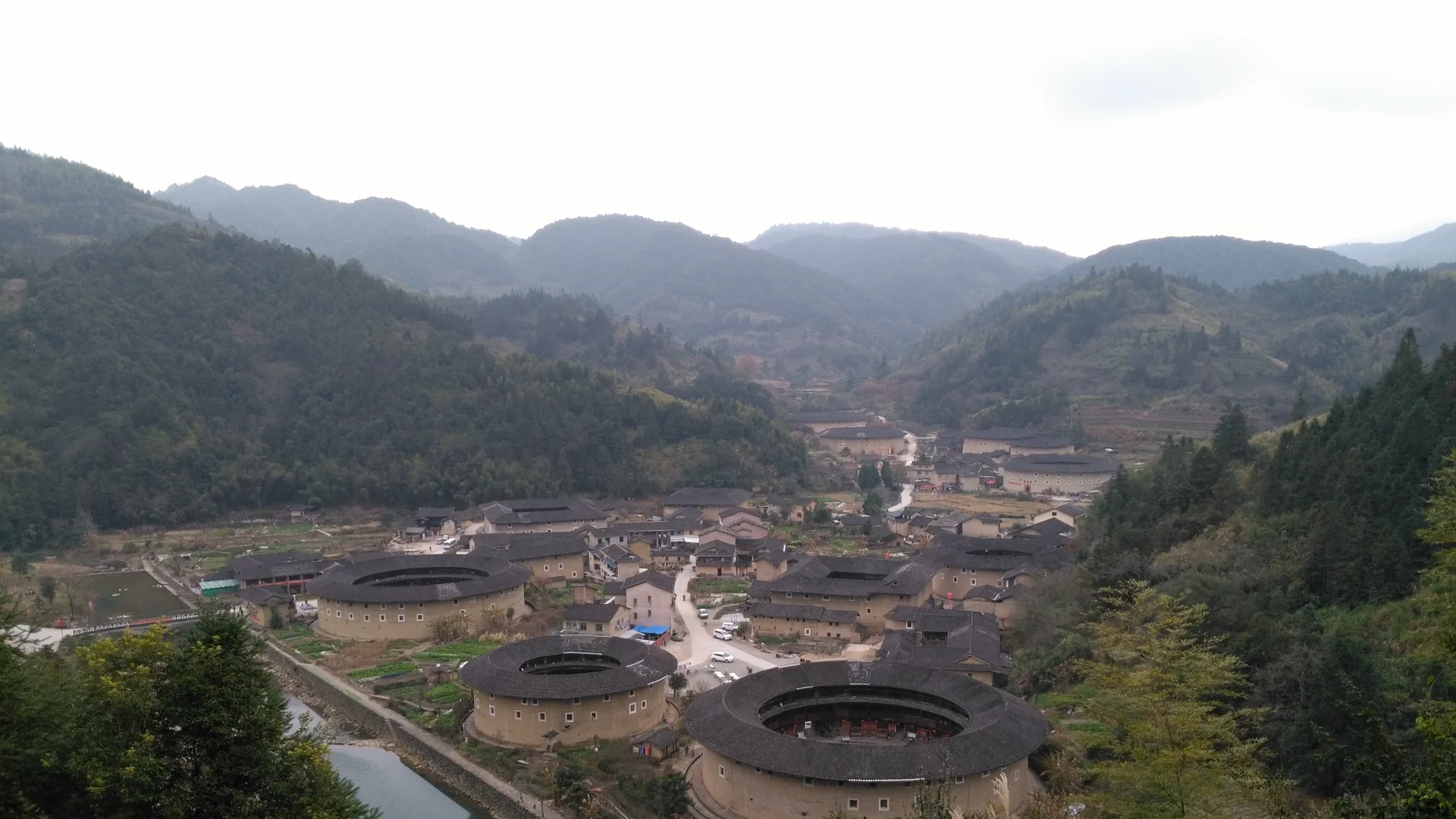
Fujian Tulou are famous because they look improbable. Huge circular or square earthen buildings sit in mountain valleys like fortified villages drawn from another century. The image is powerful enough that many travelers stop there. They save one iconic aerial shot, plan a fast day trip from Xiamen, and assume the destination is basically one unusual building type repeated across the hills. That is the wrong mental model.
The real power of Hakka Tulou comes from the landscape logic. These are not isolated novelty structures. They are communal fortified homes shaped by migration, clan life, defense, and the mountain routes of western and southern Fujian. The best destination page needs to explain why different tulou clusters feel different, why interior life matters as much as the iconic rooflines, and why one round building cannot stand in for the whole system.
Why It Works
The first reason Hakka Tulou work is visual clarity. Even first-time travelers understand immediately that these buildings are unlike almost anything else in China. Massive walls, enclosed courtyards, rhythmic wooden galleries, and mountain backdrops give the destination a strong identity before any historical explanation arrives. That makes tulou one of the strongest architecture-led pages in the nationwide program.
The second reason is that the destination broadens what architectural heritage can mean. Tulou are not imperial palaces, elite gardens, or urban monument ensembles. They are communal residential fortresses. That difference matters. The page should show that a tulou is both practical and social: defensive on the outside, ordered and communal within. Once that structure becomes visible, the destination stops feeling like a viral photo stop and starts reading as one of the most original settlement forms in the country.
The third reason is route value. Travelers usually reach the tulou region with limited time, and the cluster choice changes the experience. Tianluokeng is the fastest way to understand the iconic silhouette logic. Chengqi Lou and Gaobei help explain scale, concentric planning, and what interior communal life looks like. Yongding and Nanjing are related but not interchangeable. A strong page helps the traveler decide what kind of tulou day they actually want.
How To Plan The Visit
Treat Hakka Tulou as a regional outing rather than a single-building stop. The first planning decision is not which camera angle to chase. It is whether the visit is centered on Yongding, on Nanjing, or on an overnight route that lets the mountains and villages breathe.
For limited time, Tianluokeng remains one of the clearest entry points because the cluster layout immediately explains why tulou became globally recognizable. The group composition is visually legible even before the visitor knows the names of individual buildings. That matters for a first trip. It gives the traveler an immediate understanding of the form and the setting.
But the page should not let the destination collapse into one overlook. Chengqi Lou and related Gaobei structures matter because they shift the traveler from exterior pattern to interior logic. Once you walk through the gates, the destination becomes less about one famous outline and more about circulation, family structure, defensive thickness, and the way whole communities lived within these walls. That is usually the moment the destination stops being merely photogenic and becomes convincing.
The other critical planning decision is pace. A fast Xiamen day trip can still work, but it compresses the destination into roads, viewpoints, and the most obvious stops. Travelers who can stay overnight or at least avoid rush-style scheduling usually get a more premium version of the tulou region. Evening and early morning make the compounds feel less like attractions and more like settlements with their own rhythm.
What To Prioritize
Prioritize one cluster for the big picture and one cluster for interior understanding. That is the simplest way to keep the day from turning into a series of repetitive gates and courtyards. Tianluokeng is strong for the big-picture effect. Chengqi Lou and nearby compounds are stronger for understanding scale, repetition, and daily life.
The page should also be honest about the difference between building form and destination quality. Not every tulou delivers the same feeling. Some are stronger from a viewpoint. Some are stronger once you are inside. Some are best read as part of a village setting rather than as a standalone fortress. The value comes from contrast, not from trying to see everything.
It is also worth protecting the communal-living story. The tulou are beautiful, but they should not be described as empty shells. Their emotional force comes from the fact that they were designed to hold whole kinship systems, shared resources, and a defensive perimeter at once. The destination feels premium when the traveler understands that social design as clearly as the architecture.
Who Should Save It
Save Hakka Tulou if you want one Fujian destination with unmistakable architectural identity and real route depth. It is strongest for architecture travelers, photographers, UNESCO-focused travelers who want something more original than another old town, and visitors interested in how migration and communal living reshape the built environment.
It is weaker for travelers who want a frictionless one-stop attraction with instant closure. Tulou reward comparison, movement, and time in the region. That is part of their value.
What To Confirm Before You Go
Before finalizing the trip, confirm which scenic clusters you are prioritizing, what current transfer assumptions apply from Xiamen or Zhangzhou, and whether the visit should remain a long day trip or become an overnight stay. Also decide whether you are traveling primarily for the iconic aerial compositions or for a fuller understanding of interior communal life, because that choice should determine the route.
The honest promise is simple: Hakka Tulou are worth the journey when the traveler approaches them as a settlement landscape, not just as a spectacular roofline.
How To Use This Page In The Tools
Hakka Tulou should hand off to the planner as a cluster-and-pacing question, not as a generic Fujian landmark. The useful prompt is "plan a Hakka Tulou route that makes a clear choice between Tianluokeng, Chengqi Lou, and one supporting cluster, and decide honestly whether this should stay a day trip or become an overnight stay." That gives the planning tools something concrete to optimize while preserving the destination's real structure.
Traveler actions
Save, check in, share, and help other travelers judge whether this place is worth the trip.
Traveler Comments
Share your Hakka Tulou — The Earthen Fortress Landscape That Still Feels Unbelievable experience
Continue exploring
More in fujian
View all →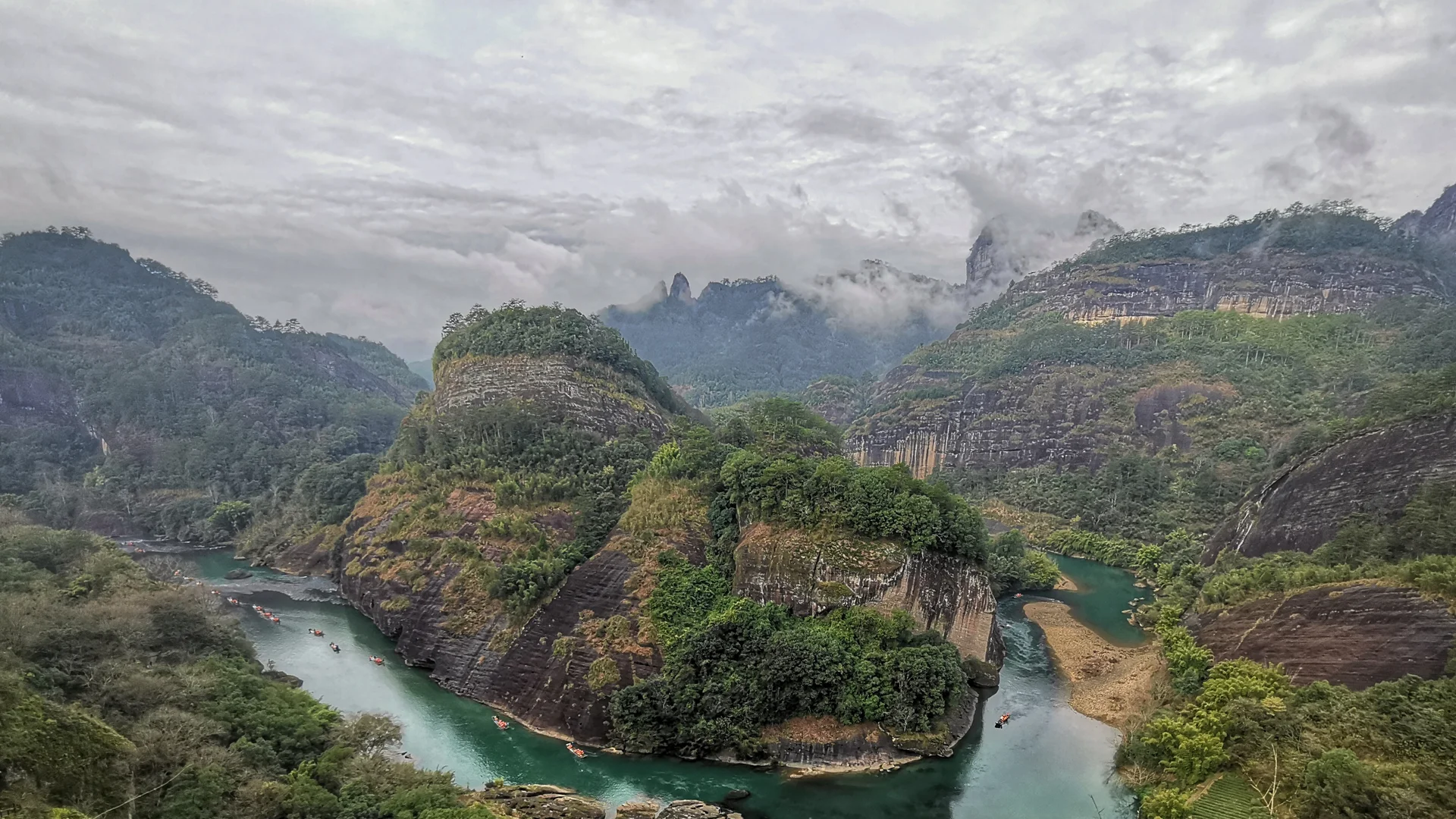 fujian
 Wuyi Mountain — The Fujian World Heritage Route That Works Through River Motion, Cliff Relief, And Tea-Scale Culture
武夷山 · Wuyi Shan
A practical guide to Wuyi Mountain for travelers deciding whether Fujian's best-known mountain-and-river heritage route deserves dedicated time, with practical notes on rafting, cliff viewpoints, and why Wuyi works best as a moving landscape rather than a summit-only excursion.
- fujian
- March to May and September to November
- Moderate
 fujian
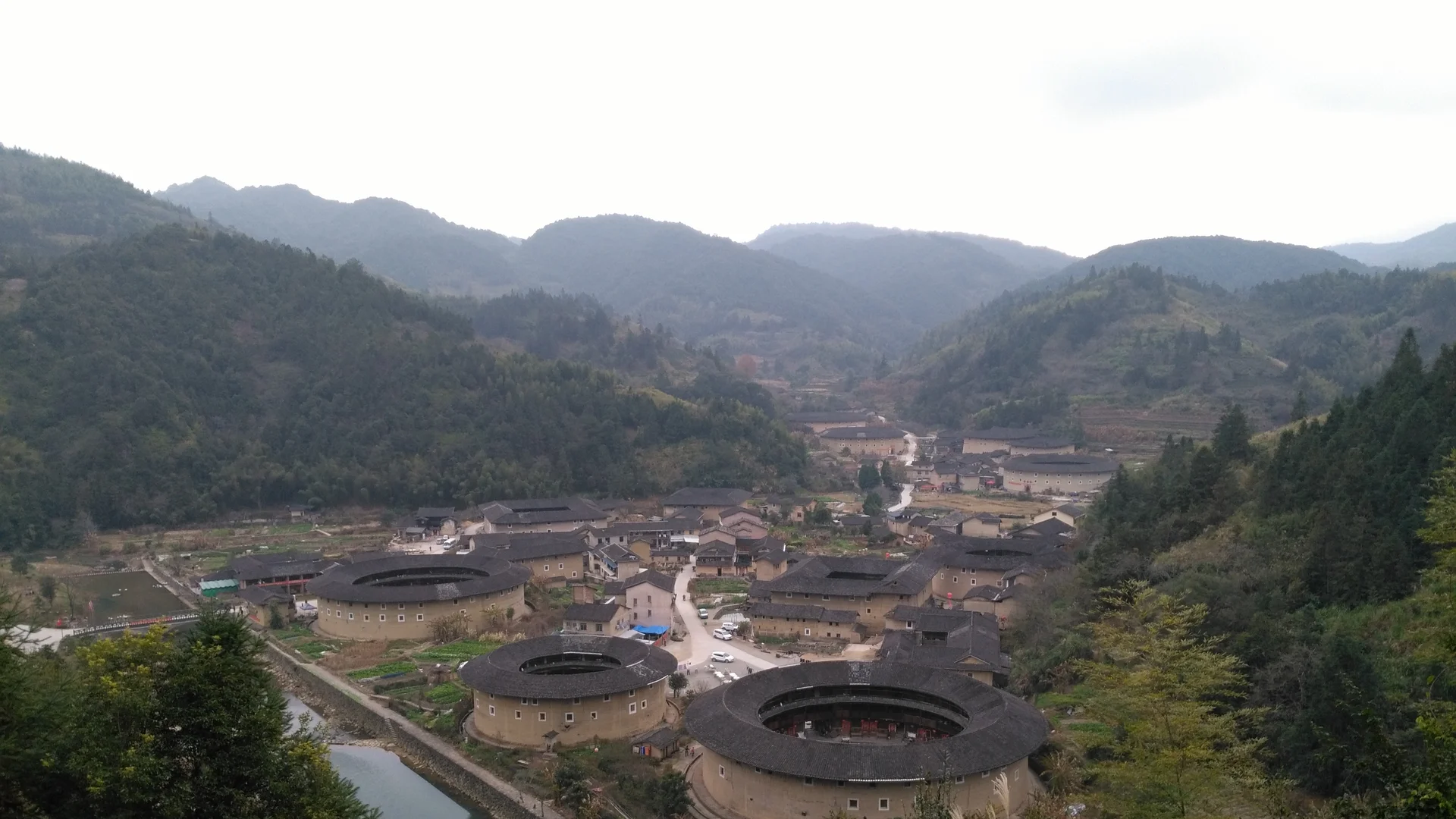
 Fujian Tulou — The Earthen Fortress Villages That Still Feel Like A Collective World
南靖土楼 · Nanjing Tulou
A practical guide to Fujian Tulou for travelers deciding whether the earthen fortress villages deserve a real detour, with practical notes on cluster logic, walking scale, building types, and why Tulou works best when treated as a settlement world instead of a one-building photo stop.
- fujian
- March to May and October to December
- Easy
 fujian
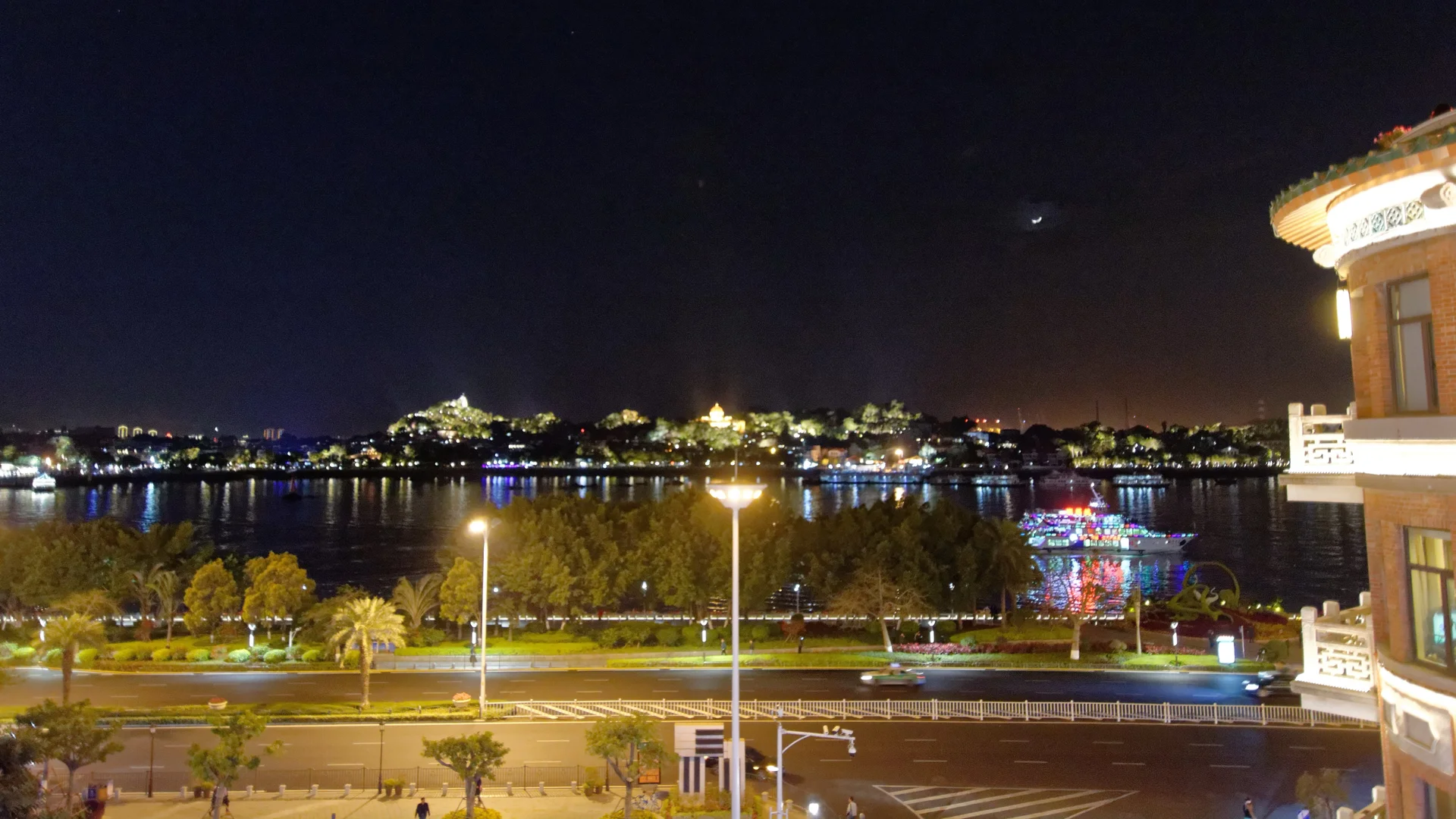
 Gulangyu — The Island Settlement Where Villas, Slopes, And Ferry Separation Still Shape The Mood
鼓浪屿 · Gulangyu
A practical guide to Gulangyu for travelers deciding whether this ferry-separated island deserves time beyond the postcard version, with practical notes on visitor flow, walking rhythm, and why Gulangyu works best as a managed island fabric rather than as a simple scenic detour from Xiamen.
- fujian
- October to April
- Easy