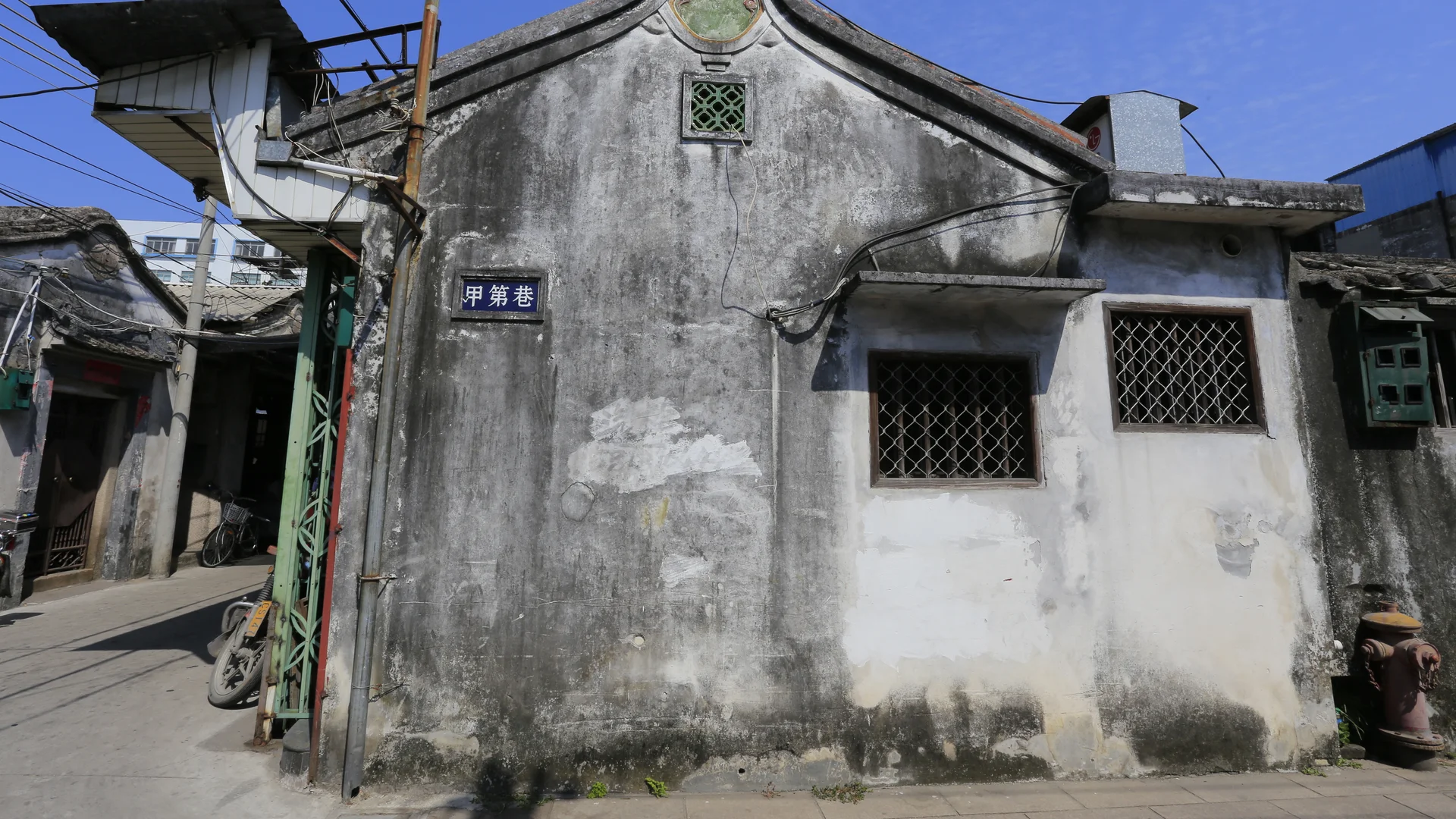
Quick facts
What to know before you go
Chaozhou Ancient City — The Southern Old City Where Arcades, Crafts, And Food Streets Still Feel Structurally Intact is a curated China Hidden Gems destination in Guangdong, selected for travelers who want the place, timing, effort, and logistics in one scan.
- Administrative location
- Chaozhou, Guangdong
- Chinese name
- 潮州古城 · Chaozhou Gucheng
- Best season
- October to March
- Difficulty
- Easy
- Time needed
- Full day
- Typical cost
- $$
- Getting there
- Treat Chaozhou Ancient City as a dense walk-and-eat core rather than as a one-landmark stop.
Editorial briefing
Why this place works
A practical guide to Chaozhou Ancient City for travelers deciding whether this southern old city deserves a dedicated detour, with practical notes on walk density, food-and-heritage overlap, and why Chaozhou works best as a layered street route rather than a single-bridge postcard.
Why go
- A practical guide to Chaozhou Ancient City for travelers deciding whether this southern old city deserves a dedicated detour, with practical notes on walk density, food-and-heritage overlap, and why Chaozhou works best as a layered street route rather than a single-bridge postcard.
- Chaozhou Ancient City — The Southern Old City Where Arcades, Crafts, And Food Streets Still Feel Structurally Intact gives travelers a concrete reason to plan around Chaozhou, guangdong, not just a generic first-trip city list.
- It is strongest for old city, food culture, arcades, with enough practical context to compare timing, difficulty, and onward route fit.
Turn this into a trip
Save Chaozhou Ancient City — The Southern Old City Where Arcades, Crafts, And Food Streets Still Feel Structurally Intact, then plan around it.
Keep this gem on your device, open it in your bucket list, or start a planner draft with the destination already filled in.
Professional route review
Already combining Chaozhou Ancient City — The Southern Old City Where Arcades, Crafts, And Food Streets Still Feel Structurally Intact with other stops?
A Route Reality Check reviews pace, obvious cross-city handoffs, and preparation risks in the route you already built.
No booking, visa service, supplier packaging, funds handling, guarantee, or on-trip support.
Application-based Beta
$29
48-72 hours after acceptance, payment confirmation, and receipt of the complete route.
Review the application boundaryTrip planning intake
Ask whether Chaozhou Ancient City — The Southern Old City Where Arcades, Crafts, And Food Streets Still Feel Structurally Intact fits your route.
This is a lightweight planning signal, not an instant concierge. Leave your trip context and a real question, and the team can reply manually after review.
Story visuals
Chaozhou Ancient City — The Southern Old City Where Arcades, Crafts, And Food Streets Still Feel Structurally Intact
The Old City Page That Still Holds Together As A City
Chaozhou works because the old city still behaves like an urban organism instead of a decorative shell. That is a rarer quality than many travelers realize. Plenty of old-city destinations now survive mostly as thin scenic frontage: one main street, one photogenic landmark, and a tourist economy draped over something that no longer feels structurally whole. Chaozhou is different. The streets, arcades, lanes, food culture, craft identity, and riverfront logic still reinforce one another.
That coherence is what makes the page worth doing. If you arrive only to tick off Guangji Bridge, Paifang Street, or a food list, the destination can shrink into a sequence of recognitions. If you treat the old city as a dense walk whose pieces still belong together, it becomes much richer. The page should encourage that second reading from the start.
A premium page also needs to protect Chaozhou from being reduced to cuisine alone. Food is essential here, and pretending otherwise would be false. But the city is not merely a string of things to eat between heritage check-ins. It is a place where culinary culture, lane fabric, craft memory, and old-city structure are still visibly intertwined.
Why It Works
First, Chaozhou has genuine street density. That matters because it lets the visitor move through the city as an environment rather than hopping between isolated attractions. You do not need a heroic itinerary to feel like the old city is doing real work around you.
Second, the destination carries a distinct southern tone. The arcades, facades, river adjacency, craft associations, and food culture create a register that is different from Jiangnan water towns, northern wall cities, or inland temple complexes. Chaozhou therefore expands the overall product pool instead of echoing what is already present.
Third, the old city has enough internal variety to support both casual and serious visits. A shorter visit can still land because the city is immediately legible. A longer visit pays off because the lanes, houses, and street rhythms keep opening outward rather than resolving too quickly.
How To Shape The Day
Start by deciding whether your priority is food-first or fabric-first. The strongest answer is usually both, but the order matters. If you treat the city only as an eating route, you risk missing how much architectural and spatial coherence is still present. If you treat it only as heritage, you miss one of the core reasons the city still feels alive.
The second decision is pace. Chaozhou is not a city that benefits from speed-running. It is better when the visitor allows for lane drift, pauses, detours, and repeat readings of the same streets under different light or crowd conditions. This is where the page should push back against over-compression.
The third decision is concentration. A good first Chaozhou day usually stays tight around the old-city core rather than trying to stretch too far into a broad citywide program. The density of the core is the advantage. Once you dilute the route too early, the old city can lose its ability to feel like a complete place.
A fourth decision is what kind of urban heritage you want. Chaozhou is not polished in the same way as some high-investment showcase districts, and that is part of its value. The destination works because it still contains working streets, old houses, food flow, and local scale, not because it has been smoothed into one perfect theme zone.
What To Prioritize
Prioritize continuity. The best Chaozhou walks come from understanding how bridge logic, archways, lanes, facades, crafts, and food all keep the old city legible as a system. That is the simplest way to protect the page from becoming just a collection of famous stops.
Prioritize appetite management too. Chaozhou is one of those destinations where food can become either a deepening force or a distraction, depending on how the day is structured. The page should help the traveler use food to reinforce the walk rather than to constantly interrupt it.
It is also worth prioritizing street texture over landmark worship. Landmarks matter, but the real payoff often comes from what happens between them. Cities that remain structurally intact usually reward the in-between spaces most, and Chaozhou is no exception.
A final priority is resisting generic “slow life” language. Chaozhou does not need sentimental urban nostalgia to work. It is strong enough as a dense old city where practical urban life, culture, and heritage still share the same streets.
What Can Go Wrong
The first mistake is turning the city into a pure food crawl. That can still be enjoyable, but it underuses what Chaozhou is offering. The destination becomes much better when eating and walking stay in balance.
The second mistake is overfocusing on one signature postcard axis and then concluding the old city has been exhausted. Chaozhou is stronger than that. If you let the lanes and side streets do their work, the city opens out rather than narrowing.
The third mistake is trying to do too much too fast. Old cities with real density can feel richer under slower conditions than under “maximize every hour” planning logic. The page should say that clearly.
Who Should Save It
Save Chaozhou Ancient City if you like old-city structure, walkable density, food culture, and streets where heritage still feels inhabited rather than staged. It is especially strong for travelers who want a Guangdong page defined by city texture and not by mega-city scale or resort logic.
It is weaker for travelers who only want one iconic bridge photo or who become impatient when a destination asks them to walk, pause, and read the city continuously. Chaozhou is worth it when the traveler wants an old city that still feels like a city.
What To Confirm Before You Go
Before finalizing the route, confirm whether you want a food-forward or fabric-forward day, keep the core walk concentrated, and give the old city enough time to accumulate. The honest promise is simple: Chaozhou is rewarding when you visit it as a dense, layered urban system rather than as a single postcard or snack checklist.
Traveler actions
Save, check in, share, and help other travelers judge whether this place is worth the trip.
Traveler Comments
Share your Chaozhou Ancient City — The Southern Old City Where Arcades, Crafts, And Food Streets Still Feel Structurally Intact experience
Continue exploring
More in guangdong
View all →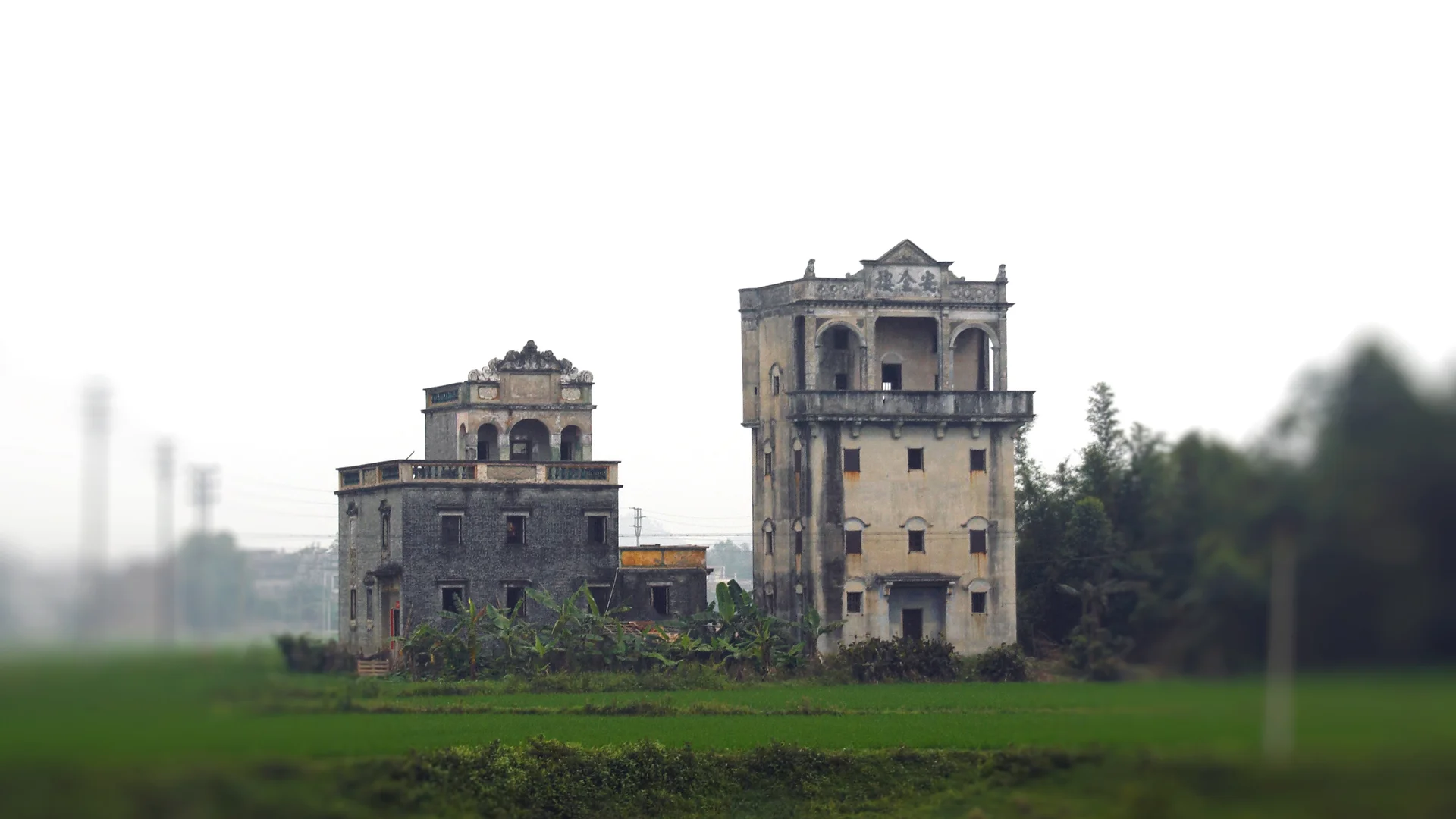 guangdong
 Kaiping Diaolou — The Watchtowers That Make Rural Guangdong Feel Surreal
开平碉楼 · Kaiping Diaolou
A practical guide to Kaiping Diaolou for travelers planning a rural Guangdong heritage day, with clear advice on cluster choice, diaspora history, transport strategy, and why the watchtowers only make sense when you experience them as a wider village landscape.
- guangdong
- October to April, with greener paddies in summer
- Easy
 guangdong
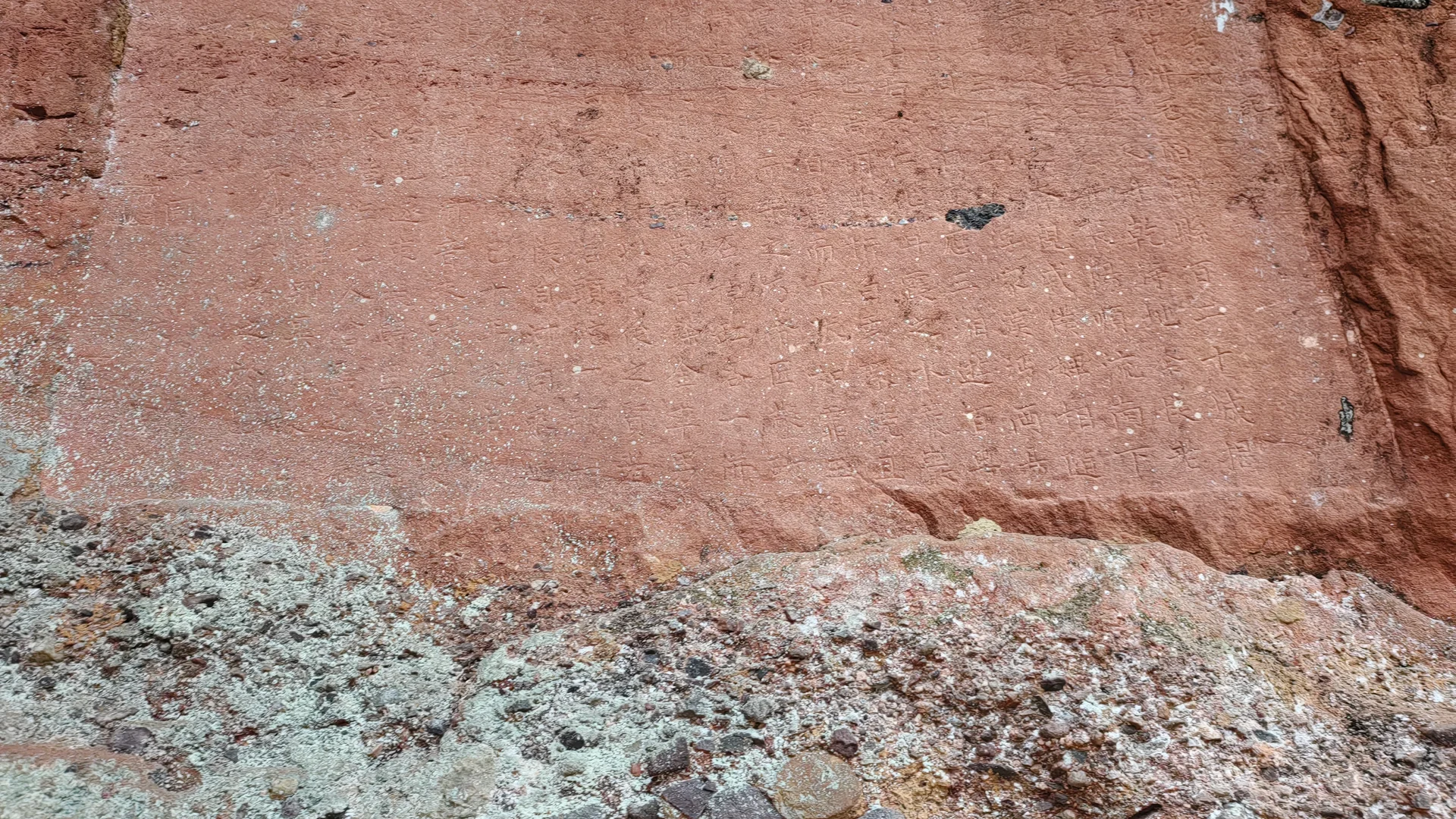
 Danxia Mountain — The Red Cliff Landscape That Gives Guangdong A Geological Center Of Gravity
丹霞山 · Danxia Shan
A practical guide to Danxia Mountain for travelers deciding whether this red-cliff world heritage landscape deserves a dedicated stop, with practical notes on route sections, light, and why Danxia works best as a landform destination rather than as a generic mountain outing.
- guangdong
- October to April
- Moderate