Quick facts
What to know before you go
Wuyi Mountain — The Fujian World Heritage Route That Works Through River Motion, Cliff Relief, And Tea-Scale Culture is a curated China Hidden Gems destination in Fujian, selected for travelers who want the place, timing, effort, and logistics in one scan.
- Administrative location
- Wuyishan, Fujian
- Chinese name
- 武夷山 · Wuyi Shan
- Best season
- March to May and September to November
- Difficulty
- Moderate
- Time needed
- Full day
- Typical cost
- $$
- Getting there
- Treat Wuyi as a blended river-and-path day where movement mode, pacing, and scenic sequence matter more than collecting every named stop.
Editorial briefing
Why this place works
A practical guide to Wuyi Mountain for travelers deciding whether Fujian's best-known mountain-and-river heritage route deserves dedicated time, with practical notes on rafting, cliff viewpoints, and why Wuyi works best as a moving landscape rather than a summit-only excursion.
Why go
- A practical guide to Wuyi Mountain for travelers deciding whether Fujian's best-known mountain-and-river heritage route deserves dedicated time, with practical notes on rafting, cliff viewpoints, and why Wuyi works best as a moving landscape rather than a summit-only excursion.
- Wuyi Mountain — The Fujian World Heritage Route That Works Through River Motion, Cliff Relief, And Tea-Scale Culture gives travelers a concrete reason to plan around Wuyishan, fujian, not just a generic first-trip city list.
- It is strongest for world heritage, fujian, mountain and river, with enough practical context to compare timing, difficulty, and onward route fit.
Turn this into a trip
Save Wuyi Mountain — The Fujian World Heritage Route That Works Through River Motion, Cliff Relief, And Tea-Scale Culture, then plan around it.
Keep this gem on your device, open it in your bucket list, or start a planner draft with the destination already filled in.
Professional route review
Already combining Wuyi Mountain — The Fujian World Heritage Route That Works Through River Motion, Cliff Relief, And Tea-Scale Culture with other stops?
A Route Reality Check reviews pace, obvious cross-city handoffs, and preparation risks in the route you already built.
No booking, visa service, supplier packaging, funds handling, guarantee, or on-trip support.
Application-based Beta
$29
48-72 hours after acceptance, payment confirmation, and receipt of the complete route.
Review the application boundaryTrip planning intake
Ask whether Wuyi Mountain — The Fujian World Heritage Route That Works Through River Motion, Cliff Relief, And Tea-Scale Culture fits your route.
This is a lightweight planning signal, not an instant concierge. Leave your trip context and a real question, and the team can reply manually after review.
Story visuals
Wuyi Mountain — The Fujian World Heritage Route That Works Through River Motion, Cliff Relief, And Tea-Scale Culture
The Fujian Heritage Route That Makes More Sense Once You Stop Treating It As A Single Mountain
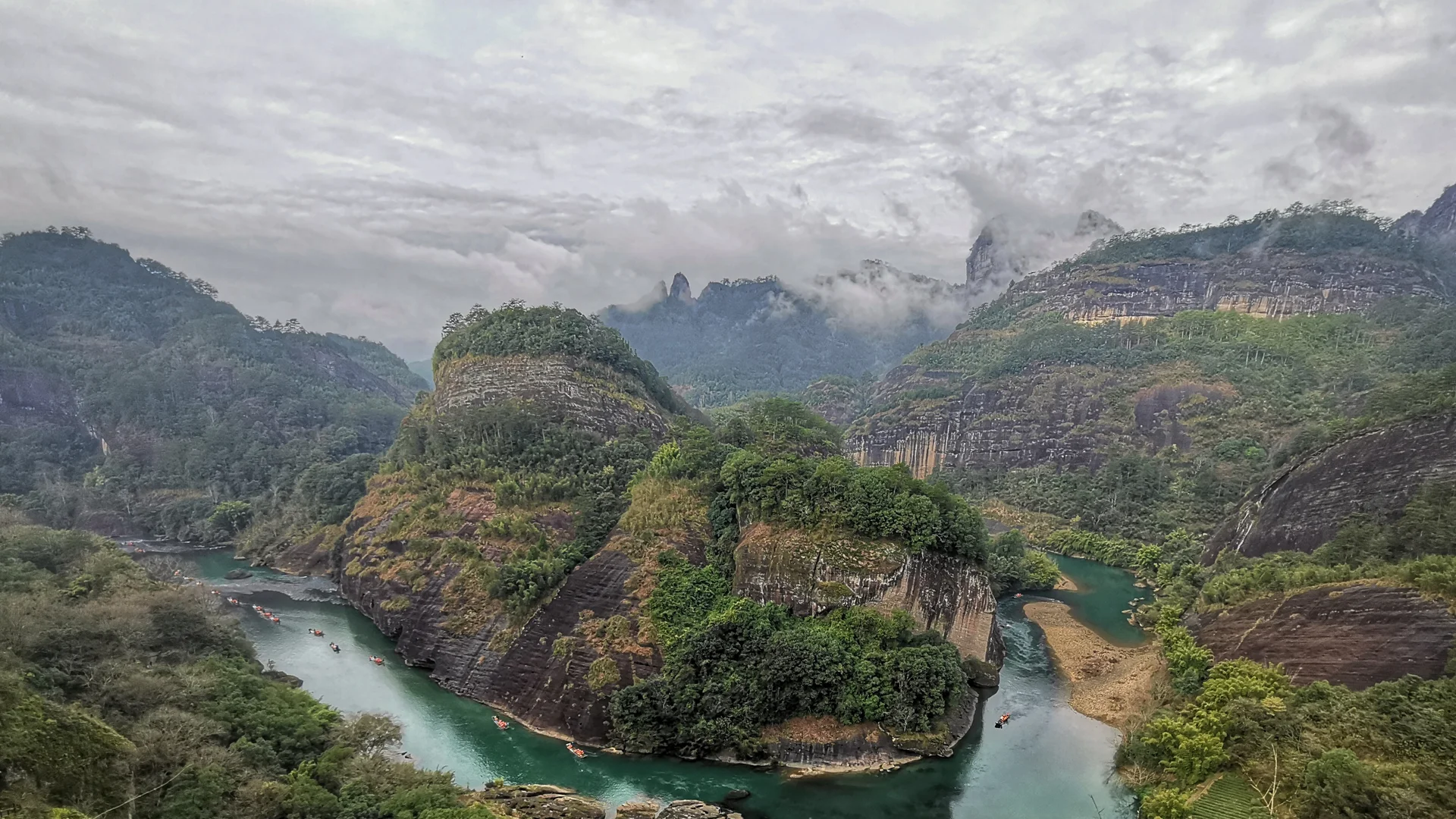
Wuyi Mountain is easy to misread if you arrive expecting one peak, one famous viewpoint, and one decisive moment of mountain revelation. That is not where its strength lies. Wuyi works best as a moving landscape. River, raft, cliff, path, tea context, and shifting relief keep answering one another. If the traveler treats the destination only as a mountain climb, the page gets smaller than the place deserves.
That distinction matters because Wuyi sits in a province already rich in strongly branded heritage. Fujian has earth-built clan fortresses, island settlement atmospheres, and architectural storylines that are easy to summarize. Wuyi does something else. It gives the province motion. The route is not just about arriving at one structure or one panorama. It is about how river travel, stone walls, and mountain paths create a landscape experience that keeps changing scale.
This is what makes Wuyi worth a separate page. Tulou pages explain communal defensive architecture. Gulangyu explains island urbanity and coastal mood. Wuyi gives Fujian a world-heritage mountain-and-river route where geography and cultural context stay in live relationship. That is a different travel language entirely.
Why It Works
First, Wuyi has real compositional variety. Some mountain destinations depend too heavily on one summit or one ridge. Wuyi is more flexible than that. Cliffs, bends in the river, bamboo-raft movement, and multiple path perspectives keep the experience from becoming monotonous. The destination remains legible at several scales, which is one reason it can carry real route time.
Second, the river component matters more than visitors sometimes assume. Raft logic is not a gimmick layered onto a mountain destination. It is part of how Wuyi should be read. Moving water changes the pace of observation, lowers the visual angle, and lets cliff form register differently than it does from a path alone. A premium page should say that clearly instead of burying the river as an optional extra.
Third, Wuyi carries cultural density without requiring heavy explanatory overhead. Tea history, literati association, and protected-landscape significance all enrich the destination, but they do not have to overwhelm it. The site is persuasive even before interpretation. That balance is useful: the traveler can feel the route first and deepen it second.
A fourth reason it works is that it can satisfy both scenic and cultural travelers without becoming vague. Some visitors care most about mountain-and-river beauty. Others care more about heritage framing and the long human relationship to the landscape. Wuyi can support both, but only if the page keeps the route coherent and avoids turning the destination into a generic "all things to all visitors" summary.
How To Shape The Visit
Start by deciding whether your Wuyi day is river-first or path-first. Neither is universally right, but the stronger itineraries usually let both modes speak to each other. A traveler who only stays on foot may miss part of the river logic. A traveler who only prioritizes rafting may flatten the mountain's spatial intelligence. The best route usually uses one to sharpen the other.
The second decision is pacing. Wuyi is weaker when rushed. This is not because the walking is extreme, but because the destination's value lies in transitions. The shift from water to rock, from open bend to narrow frame, from cliff base to elevated view, is part of the experience. Over-compressed itineraries erase that.
The third decision is expectation setting around scenic style. Wuyi is not about a single massive alpine confrontation. Its power is more articulate than that. The traveler is reading layers of relief, corridor-like river movement, and carefully changing scenic frames. People who expect one overwhelming mountain climax may initially underestimate the place. People who enjoy route intelligence tend to rate it much higher.
A fourth decision is how much tea and cultural context to bring into the day. The page should encourage enough of that framing to deepen the stop, but not so much that the mountain becomes secondary. Wuyi is strongest when the traveler can feel the landscape first and then understand why so much culture gathered around it.
What To Prioritize
Prioritize the relationship between river movement and cliff relief. That is the destination's central grammar.
Prioritize route coherence too. Wuyi is stronger when the traveler understands why one mode of movement is being chosen and how it complements the next.
It is also worth prioritizing scenic patience. Wuyi rewards travelers who let the landscape accumulate instead of hunting one trophy frame.
A final priority is keeping the cultural layer proportionate. Tea and heritage matter, but they should deepen the landscape rather than replace it.
What Can Go Wrong
The first mistake is reducing Wuyi to one viewpoint mountain.
Another mistake is treating the river as a side attraction rather than as part of the destination's core experience.
The third mistake is overstuffing the route and losing the very pacing that makes the landscape persuasive.
Who Should Save It
Save Wuyi Mountain if you care about world-heritage landscapes, river-and-cliff route logic, tea-country context, and destinations that reveal themselves through movement rather than through one monumental object. It is especially strong for travelers who want a Fujian page that feels geographical rather than purely architectural.
It is weaker for travelers who only want compact built heritage or one simple summit payoff. Wuyi is worth it when the traveler is willing to let river motion and mountain relief build the meaning together.
What To Confirm Before You Go
Before finalizing the route, decide whether you want a river-first, path-first, or blended day, be realistic about how much time you can give the transitions, and keep your expectations aligned with a moving landscape rather than a single peak conquest. The honest promise is simple: Wuyi is rewarding when you treat it as a mountain-and-river system, not as a summit errand.
Traveler actions
Save, check in, share, and help other travelers judge whether this place is worth the trip.
Traveler Comments
Share your Wuyi Mountain — The Fujian World Heritage Route That Works Through River Motion, Cliff Relief, And Tea-Scale Culture experience
Continue exploring
More in fujian
View all →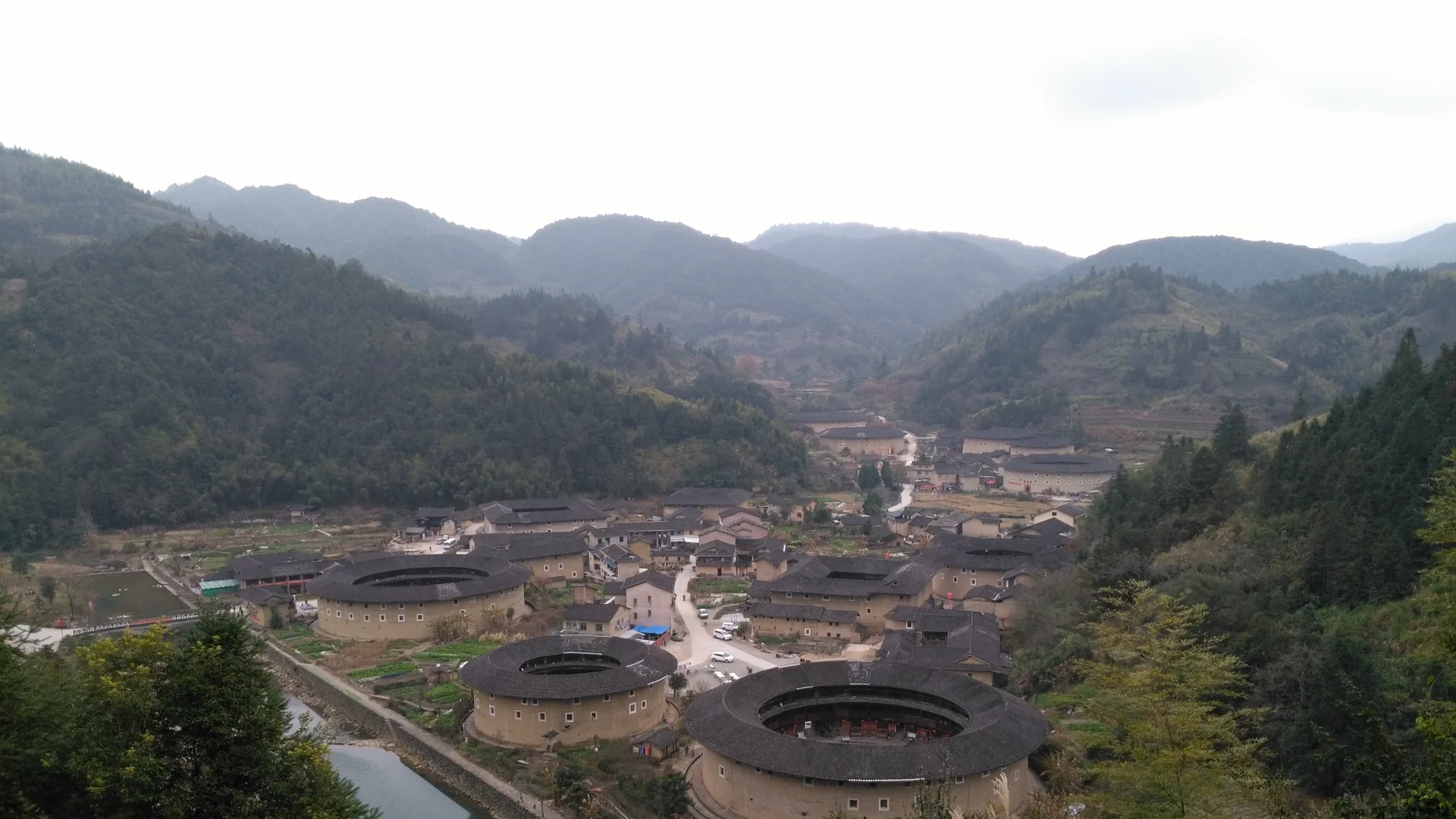 fujian
 Hakka Tulou — The Earthen Fortress Landscape That Still Feels Unbelievable
福建土楼 · Fujian Tulou
A practical guide to Hakka Tulou for travelers choosing between Yongding and Nanjing clusters, with honest notes on Tianluokeng versus Chengqi Lou, why an overnight stay can matter, and how to experience the tulou as a living architectural landscape rather than a one-photo curiosity.
- fujian
- March to May and September to November
- Easy
 fujian
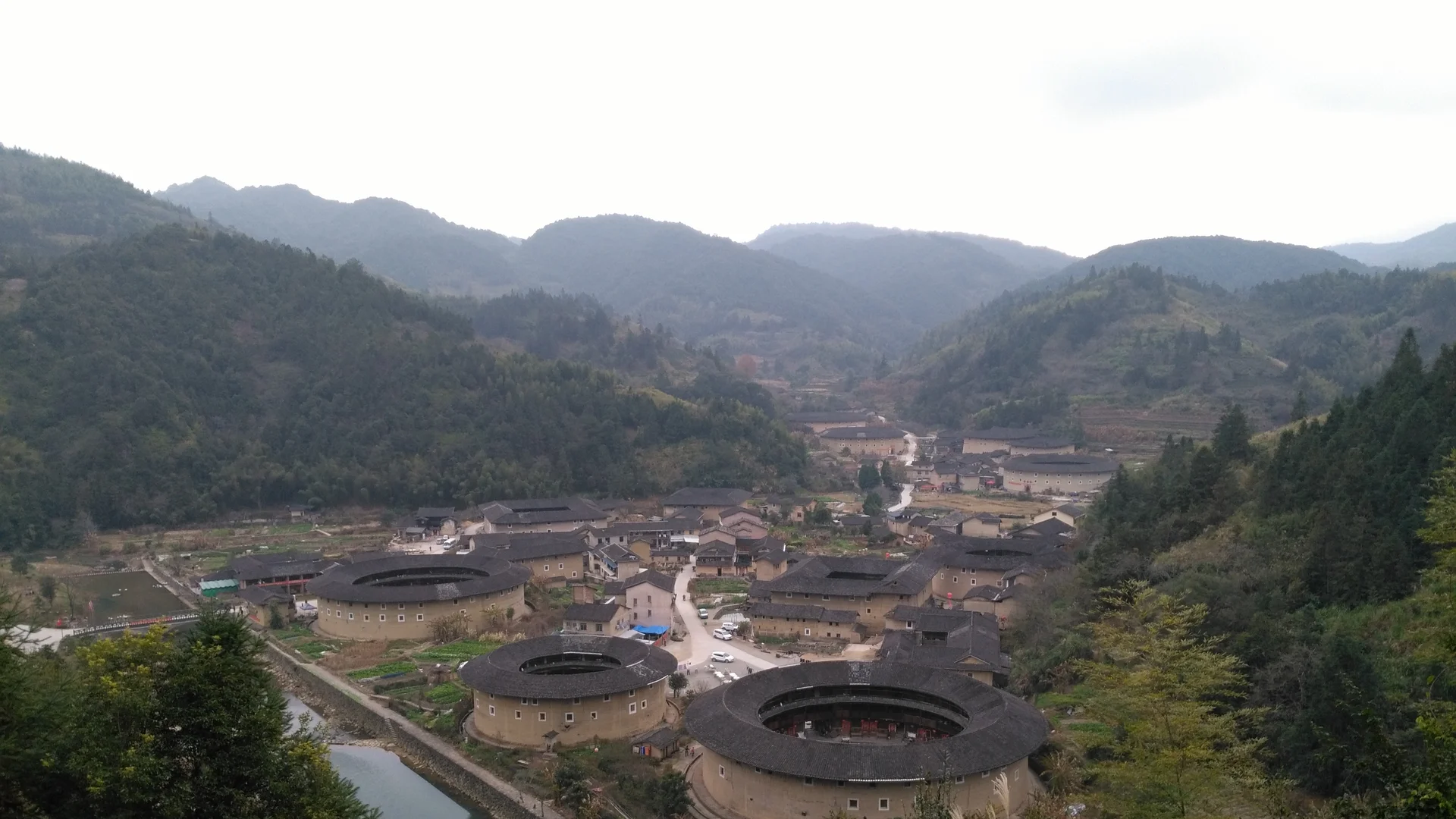
 Fujian Tulou — The Earthen Fortress Villages That Still Feel Like A Collective World
南靖土楼 · Nanjing Tulou
A practical guide to Fujian Tulou for travelers deciding whether the earthen fortress villages deserve a real detour, with practical notes on cluster logic, walking scale, building types, and why Tulou works best when treated as a settlement world instead of a one-building photo stop.
- fujian
- March to May and October to December
- Easy
 fujian
 Gulangyu — The Island Settlement Where Villas, Slopes, And Ferry Separation Still Shape The Mood
鼓浪屿 · Gulangyu
A practical guide to Gulangyu for travelers deciding whether this ferry-separated island deserves time beyond the postcard version, with practical notes on visitor flow, walking rhythm, and why Gulangyu works best as a managed island fabric rather than as a simple scenic detour from Xiamen.
- fujian
- October to April
- Easy