Quick facts
What to know before you go
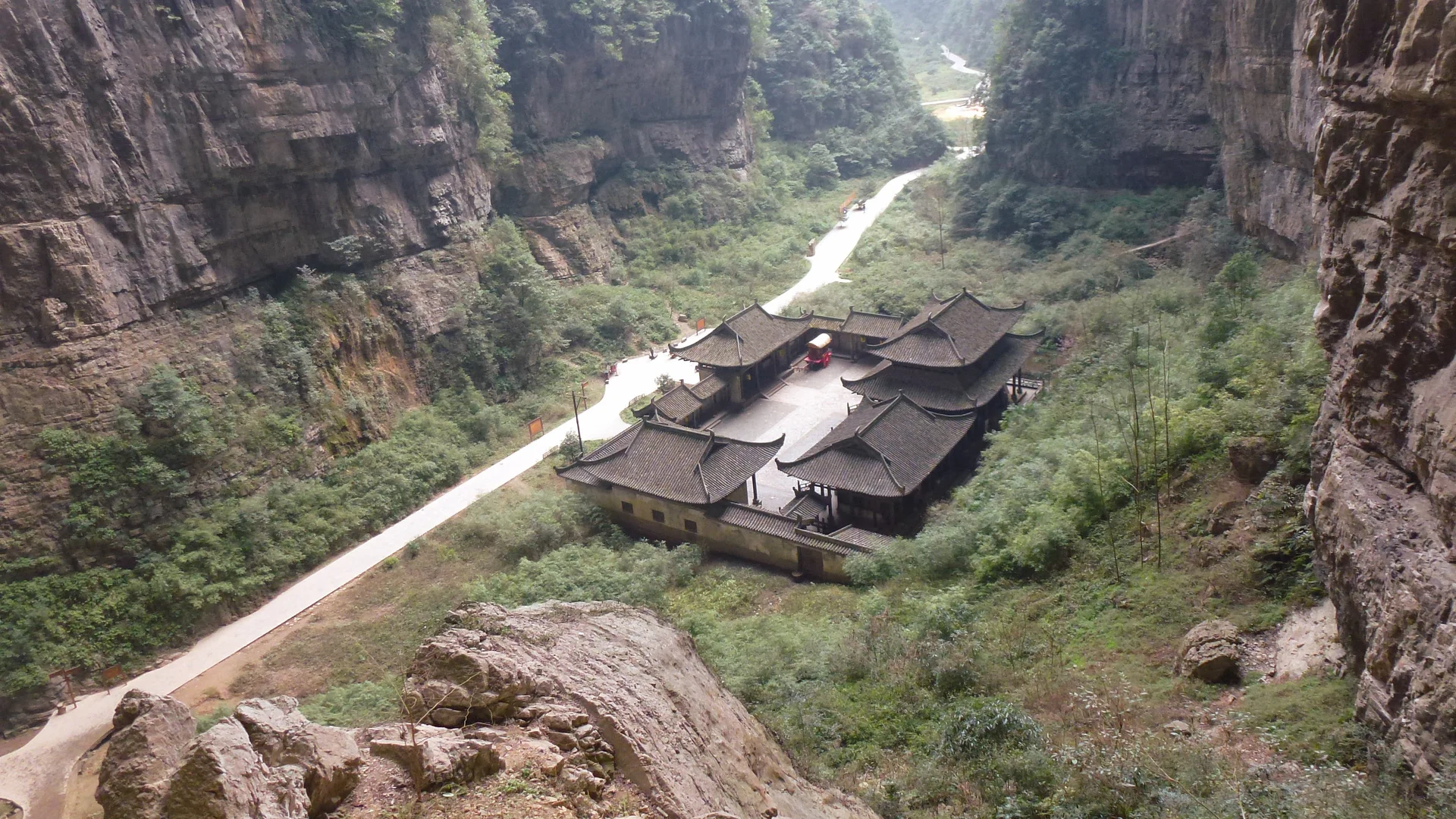
Wulong Karst — The Chongqing Landscape That Works Through Collapse, Scale, And Geological Theater is a curated China Hidden Gems destination in Chongqing, selected for travelers who want the place, timing, effort, and logistics in one scan.
- Administrative location
- Wulong District, Chongqing
- Chinese name
- 武隆喀斯特 · Wulong Kasite
- Best season
- April to June and September to November
- Difficulty
- Moderate
- Time needed
- Full day
- Typical cost
- $$
- Getting there
- Treat Wulong as a dedicated detour or overnight route where terrain, transfers, and site selection matter as much as map distance.
Editorial briefing
Why this place works
A practical guide to Wulong Karst for travelers deciding whether this Chongqing world-heritage landscape deserves a dedicated detour, with practical notes on route focus, scale, and why Wulong works best through sinkholes and natural bridges rather than through scattered attraction sampling.
Why go
- A practical guide to Wulong Karst for travelers deciding whether this Chongqing world-heritage landscape deserves a dedicated detour, with practical notes on route focus, scale, and why Wulong works best through sinkholes and natural bridges rather than through scattered attraction sampling.
- Wulong Karst — The Chongqing Landscape That Works Through Collapse, Scale, And Geological Theater gives travelers a concrete reason to plan around Wulong District, chongqing, not just a generic first-trip city list.
- It is strongest for karst, natural bridges, sinkholes, with enough practical context to compare timing, difficulty, and onward route fit.
Turn this into a trip
Save Wulong Karst — The Chongqing Landscape That Works Through Collapse, Scale, And Geological Theater, then plan around it.
Keep this gem on your device, open it in your bucket list, or start a planner draft with the destination already filled in.
Professional route review
Already combining Wulong Karst — The Chongqing Landscape That Works Through Collapse, Scale, And Geological Theater with other stops?
A Route Reality Check reviews pace, obvious cross-city handoffs, and preparation risks in the route you already built.
No booking, visa service, supplier packaging, funds handling, guarantee, or on-trip support.
Application-based Beta
$29
48-72 hours after acceptance, payment confirmation, and receipt of the complete route.
Review the application boundaryTrip planning intake
Ask whether Wulong Karst — The Chongqing Landscape That Works Through Collapse, Scale, And Geological Theater fits your route.
This is a lightweight planning signal, not an instant concierge. Leave your trip context and a real question, and the team can reply manually after review.
Story visuals
Wulong Karst — The Chongqing Landscape That Works Through Collapse, Scale, And Geological Theater
The Chongqing Landscape That Gets Better Once You Accept That Scale Is The Whole Argument
Wulong Karst is one of those destinations that can be weakened by over-description. Travelers see the words "world heritage," "karst," "natural bridges," and "sinkholes," and often begin imagining a broad scenic district where several nice geological sites happen to sit near one another. That framing is too soft. Wulong works because of scale and collapse. The landscape feels convincing when the traveler understands that the site is not about isolated pretty views, but about enormous voids, bridges, fissures, and stone structures that make human movement feel temporarily minor.
That distinction matters because the region contains more than one named stop, and that often tempts visitors into over-coverage. A premium page should push in the opposite direction. Wulong is stronger when approached through a coherent core route, especially around the great natural bridge and sinkhole logic, rather than through a scattered attempt to consume every possible scenic label in one day.
This is what gives the destination real value for Chongqing. The city already has its own vertical-urban signature. Baodingshan gives the municipality carved Buddhist monumentality. Wulong introduces a totally different logic: geological theater at giant scale. That makes it highly additive. The traveler is no longer reading density or sculpture. They are reading erosion, collapse, void, and the feeling of being held inside a landform system much larger than ordinary sightseeing proportion.
Why It Works
First, Wulong has immediate formal power. Even before interpretation, the major bridge-and-sinkhole spaces are visually legible. The landscape does not ask the traveler to work hard to understand why it is unusual. Scale, curvature, and vertical enclosure do the first part of the persuasion automatically.
Second, the destination has enough internal variation to justify real route time. Wulong is not just one stone arch and a supporting cast of secondary views. The relationship between bridges, pits, vegetated walls, fissures, and descent paths keeps changing the emotional texture of the visit. That prevents the experience from collapsing into one impressive frame and little else.
Third, the site gives Chongqing something globally legible without feeling generic. Many karst destinations can blur into a familiar trope of cliffs and greenery. Wulong is stronger than that because its specific structures feel theatrical in a geological, not theme-park, sense. The traveler keeps sensing that the land has opened, fallen away, or been carved into improbable scale.
A fourth reason it works is that route discipline matters enough to improve the visit. Some scenic places are forgiving of vague planning. Wulong is better with intention. Entry sequence, walking stamina, time allocation, and selection between major areas can all change whether the destination feels coherent or merely exhausting.
How To Shape The Visit
Start by deciding whether your Wulong day is core-site-focused or district-coverage-focused. Core-site-focused is usually better. The major bridge and sinkhole structures are strong enough that they deserve real attention. Trying to maximize the number of named scenic areas often leaves the visitor with a thinner memory of each one.
The second decision is energy management. Wulong is not necessarily a technical adventure, but it is still a terrain-heavy day. Descents, transfers, and viewpoint pacing matter. The page should say this directly, because travelers who under-budget energy often end up losing the sense of grandeur that the site is built to provide.
The third decision is expectation setting around scenic style. Wulong is not delicate. It is not a soft wandering landscape. The place works through geological drama, vertical enclosure, and the feeling of moving through a collapsed world. Travelers who want that usually come away impressed. Travelers who want leisurely variety without physical commitment may find the site more demanding than expected.
A fourth decision is whether to treat Wulong as a same-day excursion from Chongqing or as part of a larger overnight route. Both are possible, but they produce different energy profiles. The page should help travelers see that the detour cost is real, and that Wulong is strongest when the route still leaves enough mental space for the landscape to register at full scale.
What To Prioritize
Prioritize the major natural bridge and sinkhole structures. They are the destination's core argument.
Prioritize route coherence too. Wulong gets weaker when turned into a scattered collection of scenic tasks.
It is also worth prioritizing physical pacing. The site's grandeur can be dulled by fatigue if the day is packed badly.
A final priority is keeping the language geological rather than generic. Wulong is not simply beautiful mountain scenery. It is a karst-collapse landscape whose shapes and voids carry the experience.
What Can Go Wrong
The first mistake is trying to cover too many separate scenic areas in one push.
Another mistake is arriving with no respect for the physical demands of descent, walking, and transfer time.
The third mistake is expecting a soft scenic wander instead of a geological theater of scale and enclosure.
Who Should Save It
Save Wulong if you care about karst landscapes, natural bridges, giant sinkholes, and destinations whose power depends on scale. It is especially strong for travelers who want a Chongqing page that feels completely unlike the city's built identity.
It is weaker for travelers who dislike terrain-heavy sightseeing or only want easy, low-commitment scenic stops. Wulong is worth it when the traveler is willing to trade convenience for landform drama.
What To Confirm Before You Go
Before finalizing the route, decide whether you are focusing on a core scenic area or attempting district coverage, be realistic about terrain energy, and protect enough time for the major structures to register as experiences rather than as proof photos. The honest promise is simple: Wulong is rewarding when you let the karst scale dominate the day, not when you reduce it to scattered attraction consumption.
Traveler actions
Save, check in, share, and help other travelers judge whether this place is worth the trip.
Traveler Comments
Share your Wulong Karst — The Chongqing Landscape That Works Through Collapse, Scale, And Geological Theater experience
Continue exploring
More in chongqing
View all →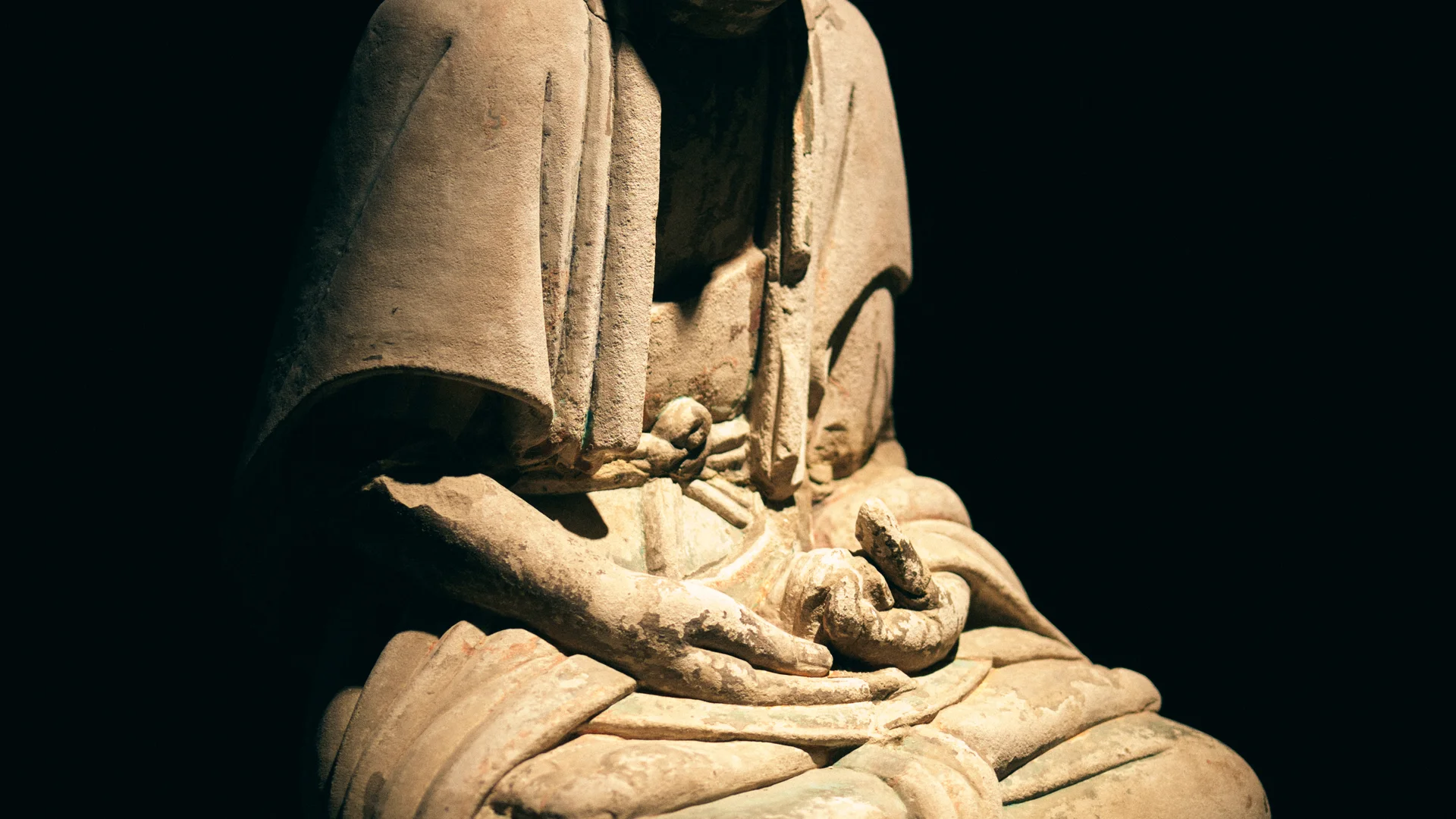 chongqing
 Baodingshan Rock Carvings — The Cliffside Buddhist Narrative That Gives Chongqing A Serious Sacred-Art Anchor
宝顶山石刻 · Baodingshan Shike
A practical guide to Baodingshan for travelers deciding whether this Dazu cliffside sacred-art site deserves a dedicated day, with practical notes on pacing, interpretation, crowd timing, and why Baodingshan works best as a coherent narrative route rather than as a generic UNESCO checkbox.
- chongqing
- March to May and September to November
- Easy
 chongqing
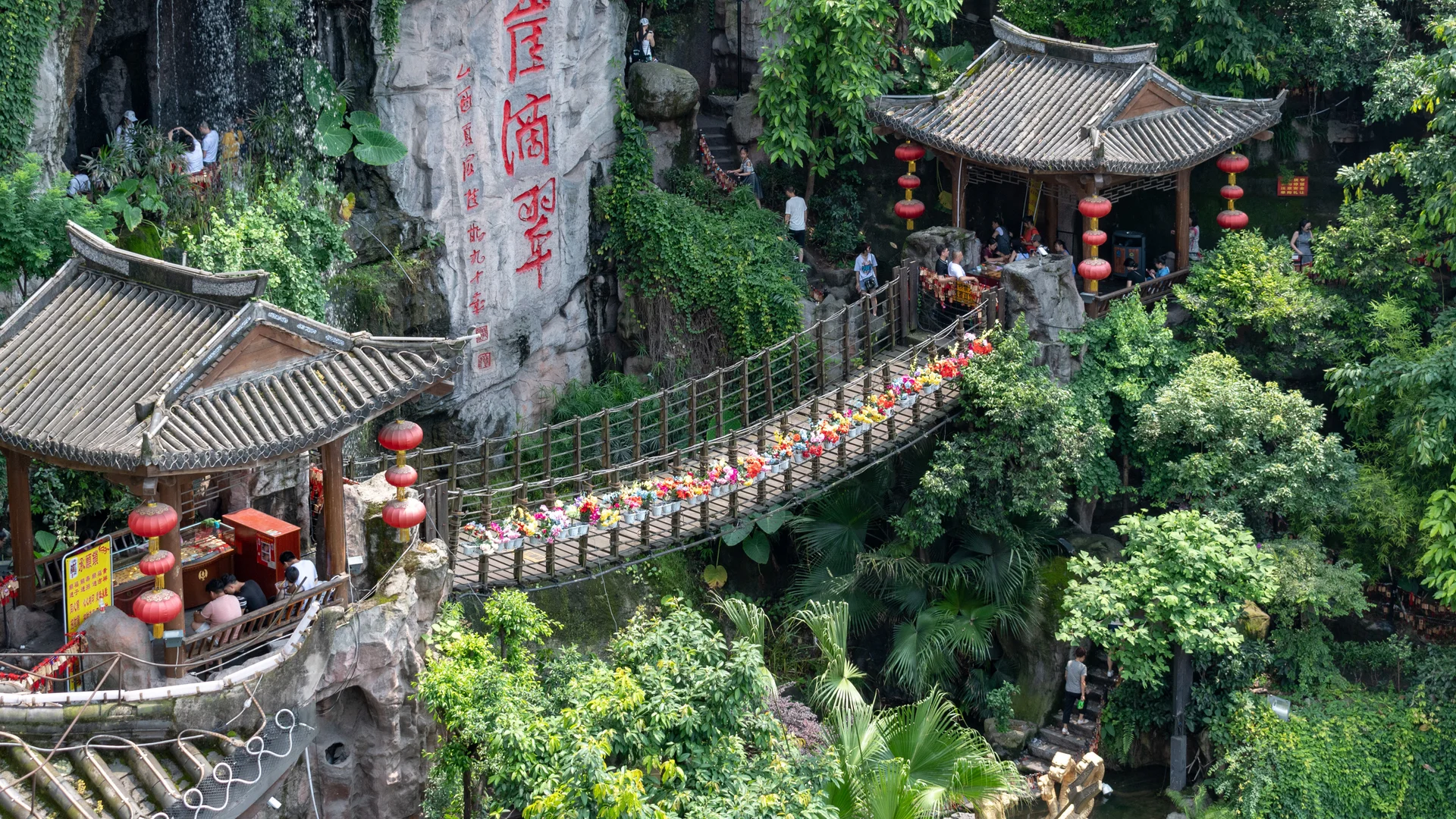
 Vertical Chongqing - A Three-Day Route Through China's Mountain City
重庆 · Chongqing
A practical city-route guide to Chongqing: Hongya Cave, Liziba, river viewpoints, night skyline, hot pot, vertical streets, base areas, and how to turn viral visuals into a sane 2-3 day plan.
- chongqing
- March to May and September to November
- Easy