Quick facts
What to know before you go
Wudaoying Hutong — The Beijing Lane That Still Rewards A Slow, Human-Scale Walk is a curated China Hidden Gems destination in Beijing, selected for travelers who want the place, timing, effort, and logistics in one scan.
- Administrative location
- Beijing
- Chinese name
- 五道营胡同 · Wudaoying Hutong
- Best season
- Spring and Autumn
- Difficulty
- Easy
- Time needed
- 2-3 hours
- Typical cost
- $$
- Getting there
- Treat Wudaoying as a pedestrian city-walk segment best paired with nearby temple and hutong areas rather than as an isolated attraction.
Official planning links
Editorial briefing
Why this place works
A practical guide to Wudaoying Hutong for travelers deciding whether this Dongcheng lane deserves time on a Beijing itinerary, with practical notes on city-walk pacing, nearby pairings, crowd timing, and why Wudaoying works best as a human-scale neighborhood segment instead of a pure shopping stop.
Why go
- A practical guide to Wudaoying Hutong for travelers deciding whether this Dongcheng lane deserves time on a Beijing itinerary, with practical notes on city-walk pacing, nearby pairings, crowd timing, and why Wudaoying works best as a human-scale neighborhood segment instead of a pure shopping stop.
- Wudaoying Hutong — The Beijing Lane That Still Rewards A Slow, Human-Scale Walk gives travelers a concrete reason to plan around Beijing, beijing, not just a generic first-trip city list.
- It is strongest for city walk, hutong, neighborhood, with enough practical context to compare timing, difficulty, and onward route fit.
Turn this into a trip
Save Wudaoying Hutong — The Beijing Lane That Still Rewards A Slow, Human-Scale Walk, then plan around it.
Keep this gem on your device, open it in your bucket list, or start a planner draft with the destination already filled in.
Professional route review
Already combining Wudaoying Hutong — The Beijing Lane That Still Rewards A Slow, Human-Scale Walk with other stops?
A Route Reality Check reviews pace, obvious cross-city handoffs, and preparation risks in the route you already built.
No booking, visa service, supplier packaging, funds handling, guarantee, or on-trip support.
Application-based Beta
$29
48-72 hours after acceptance, payment confirmation, and receipt of the complete route.
Review the application boundaryTrip planning intake
Ask whether Wudaoying Hutong — The Beijing Lane That Still Rewards A Slow, Human-Scale Walk fits your route.
This is a lightweight planning signal, not an instant concierge. Leave your trip context and a real question, and the team can reply manually after review.
Story visuals
Wudaoying Hutong — The Beijing Lane That Still Rewards A Slow, Human-Scale Walk
The Beijing Lane That Makes Sense Once You Stop Looking For A Monument
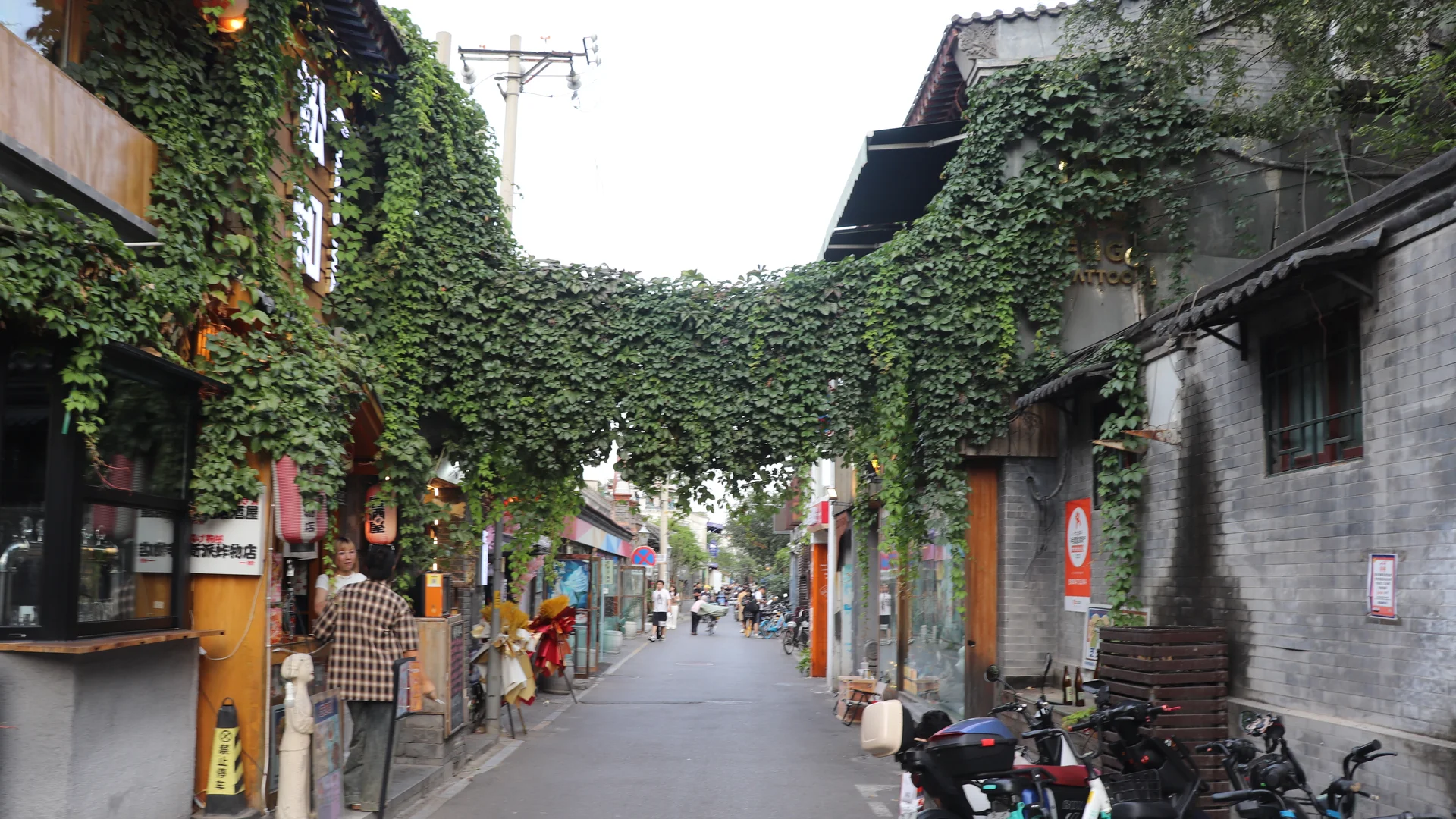
Wudaoying works because it changes the scale of Beijing without pretending to leave the city behind. Many first-time itineraries move from one monumental surface to another: palace walls, temple complexes, major avenues, and headline landmarks. That sequence is necessary, but it can also flatten the city into spectacle. Wudaoying matters because it restores human scale.
The lane is not powerful because it is untouched. It is clearly curated, commercial, and heavily aware of its own charm. But unlike overrun streets that now feel like souvenir machines, Wudaoying still holds together as a walk. The storefront rhythm, the hutong texture, the proximity to Yonghegong and Guozijian, and the manageable length all help the destination remain legible.
That legibility is exactly why the page deserves a place in the Preview pool. It is not trying to compete with Beijing’s grand monuments. It offers a different function. It helps travelers understand that the city is also experienced through short lanes, storefronts, shade, bicycles, thresholds, and the feeling that a route can still be read at pedestrian pace.
Why It Works
First, Wudaoying has the right scale. It is long enough to feel like a real segment of city life, but short enough that the traveler does not have to turn the visit into a major logistical event. That makes it unusually useful inside a broader Beijing day.
Second, it has enough atmosphere to justify a stop without needing to overperform. The lane does not rely on one iconic building. Its value comes from the cumulative effect of walls, doors, signs, trees, shopfronts, and a slower walking rhythm than the city’s bigger commercial zones. Premium guidance should say that clearly. The destination is about texture and proportion more than about headline attractions.
Third, Wudaoying benefits from adjacency. Near Yonghegong and Guozijian, it becomes a release valve after more formal heritage spaces. Before those sites, it can also serve as a soft entry into old-Beijing street logic. In either direction, it works because it pairs well.
How To Use It Well
Start by treating Wudaoying as a segment, not as an isolated event. The lane is strongest when folded into a nearby walking block rather than approached as a standalone half-day attraction. That is not a downgrade. It is a strength. The page should help travelers protect the street’s actual use case instead of overinflating it.
The second decision is timing. The lane changes meaning depending on when you arrive. Early in the day it can feel measured and readable, with enough calm to notice the architecture and street profile. Later it becomes more social, louder, and more obviously commercial. Neither version is wrong, but they are different products. Travelers should choose intentionally.
The third decision is whether you want atmosphere or consumption to lead the walk. Consumption-first travelers tend to flatten the street into a series of transactions. Atmosphere-first travelers usually come away with a better understanding of why Wudaoying is still worth recommending. The street’s value lies in how it feels to move through it, not just in what you buy there.
A fourth decision is comparison discipline. Wudaoying is often discussed in relation to larger and more crowded hutong-commercial zones. That comparison can be useful, but only if it stays precise. The goal is not to claim that Wudaoying is secret or untouched. The goal is to note that it still offers a better human-scale reading of the neighborhood than several more obvious alternatives.
What To Prioritize
Prioritize pace. Wudaoying is strongest when the traveler walks slowly enough to notice transitions, facades, quiet breaks, and the way the lane links small commercial polish with older hutong structure. Fast walking weakens the destination because the details are the point.
Prioritize nearby pairings too. A good Wudaoying segment usually belongs beside Yonghegong, Guozijian, or another short hutong walk rather than beside a long cross-city transfer. That pairing logic protects the destination from being asked to do more than it should.
It is also worth prioritizing honesty. Wudaoying is not a preserved historical museum piece, and it is not a raw neighborhood untouched by tourism. The page should not pretend otherwise. What makes it good is that commercial polish has not entirely erased the lane’s readability. The result is still more balanced than many travelers expect.
A final priority is protecting the city-walk frame. Once the traveler starts measuring Wudaoying by monument standards, the lane will seem small. Once the traveler measures it by walkability, atmosphere, and urban texture, it becomes exactly the right size. Premium guidance should make that frame obvious.
What Can Go Wrong
The most common mistake is overextending the stop. Wudaoying can absolutely support a meaningful walk, but it is not designed to carry an oversized block of time unless the traveler is deliberately lingering in cafes, shops, or nearby streets. Overscheduling creates disappointment where none is necessary.
Another mistake is arriving at the wrong hour for the desired mood. Travelers who want quiet but arrive during the busiest, most social windows may conclude the lane has become more generic than it really is. Timing is not everything, but it matters more here than on many destination pages.
A third mistake is treating the street as a list. A better walk comes from reading the lane continuously, noticing how storefronts sit inside older urban fabric, and understanding where commercial energy stops and neighborhood texture still begins.
Who Should Save It
Save Wudaoying if you want a Beijing page built on human scale, slow walking, and urban texture rather than on monument size. It is especially useful for travelers who already know they need relief from heavy itinerary blocks and want one lane that still feels recommendable.
It is weaker for travelers who only care about major landmarks, who dislike compact city walking, or who expect every stop to deliver a single iconic image. Wudaoying earns its place through pacing and proportion, not spectacle.
What To Confirm Before You Go
Before locking the stop into your day, confirm whether you want a quiet walk or a more animated social window, and pair the lane with nearby sites that fit its scale. The honest promise is simple: Wudaoying is worth it when you use it as a slow, human-scale Beijing segment instead of expecting it to behave like a major monument.
Traveler actions
Save, check in, share, and help other travelers judge whether this place is worth the trip.
Traveler Comments
Share your Wudaoying Hutong — The Beijing Lane That Still Rewards A Slow, Human-Scale Walk experience
Continue exploring
More in beijing
View all →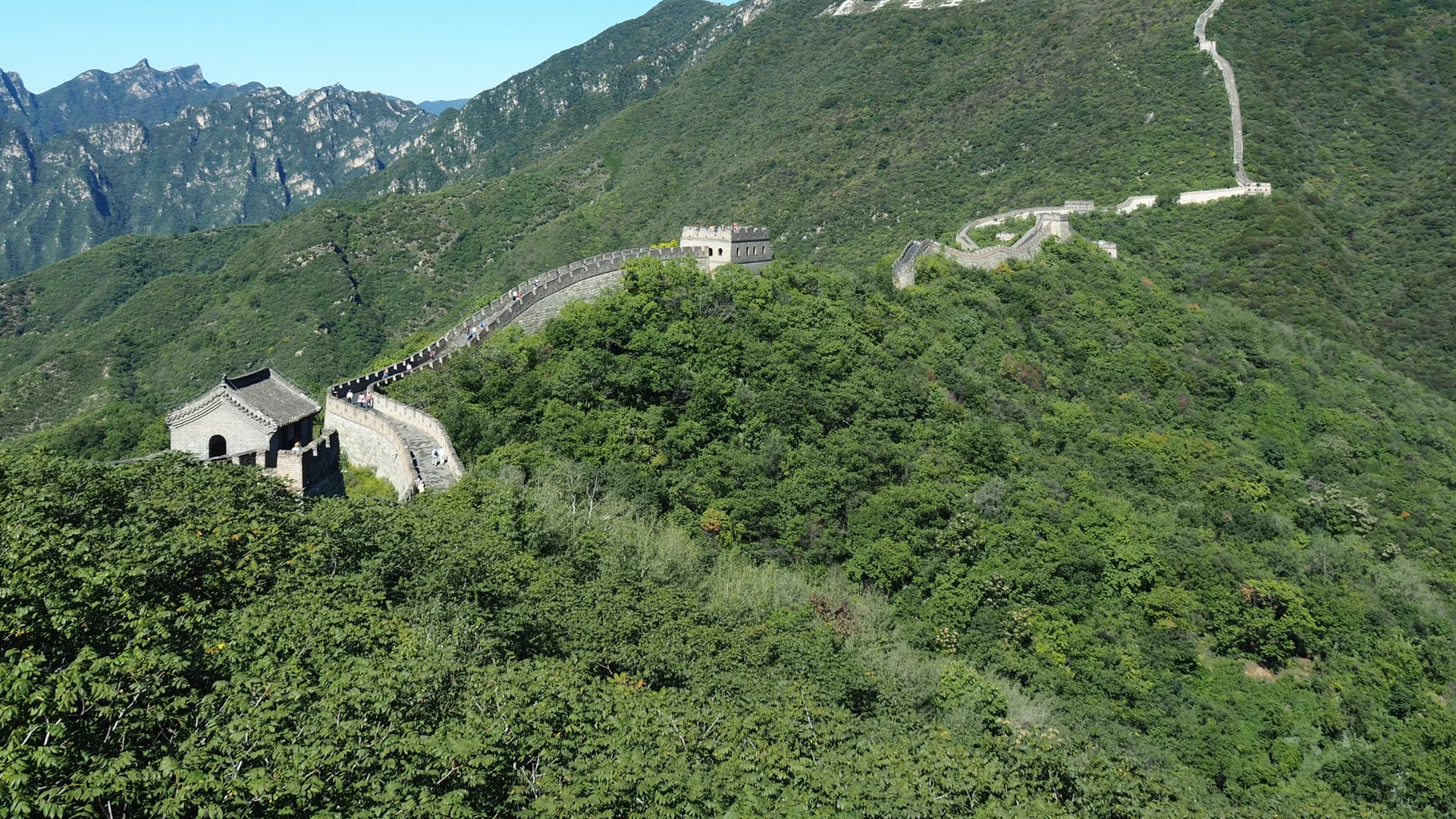 beijing
 Mutianyu Great Wall — The Beijing Wall Stretch That Still Feels Worth The Climb
慕田峪长城 · Mutianyu Changcheng
A practical guide to Mutianyu for travelers who want an iconic Great Wall experience without the worst route mistakes: when to go, how hard the climb really is, and why this section works so well for a first Beijing wall day.
- beijing
- April to May and September to November
- Moderate
 beijing
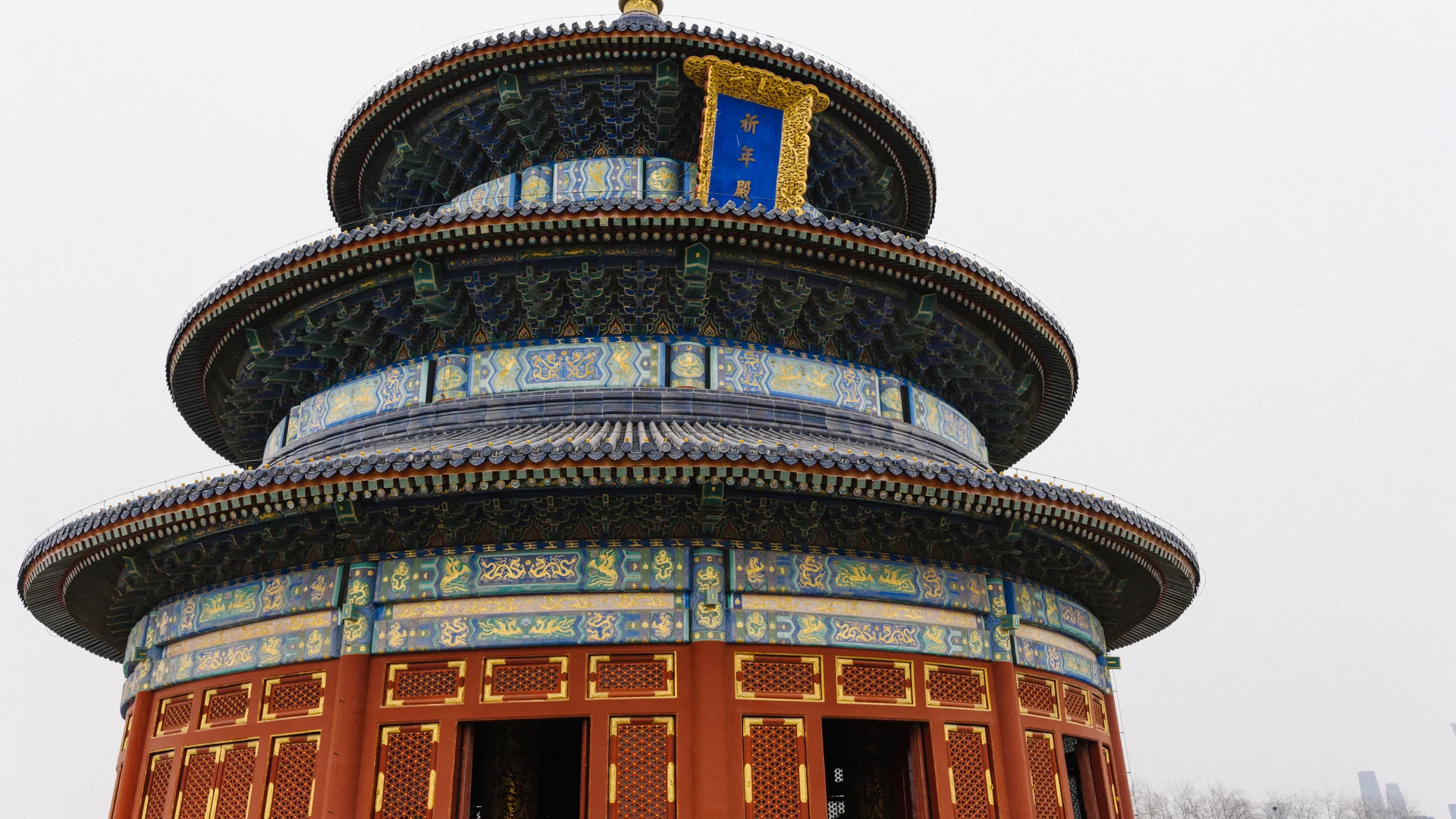
 Temple of Heaven — The Ceremonial Beijing Landmark That Still Reads Best Through Ritual Geometry
天坛 · Tiantan
A practical guide to Temple of Heaven for travelers deciding whether Beijing's great imperial ritual complex deserves dedicated time, with practical notes on geometry, crowd timing, and why the site works best as a ceremonial landscape rather than just a single-hall photo stop.
- beijing
- March to May and September to November
- Easy
 beijing
 Summer Palace — The Imperial Landscape That Still Works Through Water, Relief, And Controlled Scale
颐和园 · Yiheyuan
A practical guide to the Summer Palace for travelers deciding whether Beijing's great imperial garden deserves real time, with practical notes on route choice, crowd timing, and why the site works best as a composed lake-and-hill landscape rather than as a generic palace park.
- beijing
- March to May and September to November
- Easy