Quick facts
What to know before you go
Hongcun — The Hui Village That Turns Reflection Into Architecture is a curated China Hidden Gems destination in Anhui, selected for travelers who want the place, timing, effort, and logistics in one scan.
- Administrative location
- Hongcun, Yixian, Huangshan, Anhui
- Chinese name
- 宏村 · Hongcun
- Best season
- March to May and September to November
- Difficulty
- Easy
- Time needed
- Half day to full day
- Typical cost
- $$
- Getting there
- Treat Hongcun as either a dedicated village stop or a protected segment in a wider Anhui route, not as a throwaway photo pause.
Editorial briefing
Why this place works
A practical guide to Hongcun for travelers deciding whether the village deserves a dedicated stop, with honest notes on South Lake, lane pacing, and why Hongcun works best when it is read as a designed settlement rather than a generic postcard.
Why go
- A practical guide to Hongcun for travelers deciding whether the village deserves a dedicated stop, with honest notes on South Lake, lane pacing, and why Hongcun works best when it is read as a designed settlement rather than a generic postcard.
- Hongcun — The Hui Village That Turns Reflection Into Architecture gives travelers a concrete reason to plan around Huangshan, anhui, not just a generic first-trip city list.
- It is strongest for villages, unesco, culture, with enough practical context to compare timing, difficulty, and onward route fit.
Turn this into a trip
Save Hongcun — The Hui Village That Turns Reflection Into Architecture, then plan around it.
Keep this gem on your device, open it in your bucket list, or start a planner draft with the destination already filled in.
Professional route review
Already combining Hongcun — The Hui Village That Turns Reflection Into Architecture with other stops?
A Route Reality Check reviews pace, obvious cross-city handoffs, and preparation risks in the route you already built.
No booking, visa service, supplier packaging, funds handling, guarantee, or on-trip support.
Application-based Beta
$29
48-72 hours after acceptance, payment confirmation, and receipt of the complete route.
Review the application boundaryTrip planning intake
Ask whether Hongcun — The Hui Village That Turns Reflection Into Architecture fits your route.
This is a lightweight planning signal, not an instant concierge. Leave your trip context and a real question, and the team can reply manually after review.
Story visuals
Hongcun — The Hui Village That Turns Reflection Into Architecture
The Village That Feels Designed Before You Know Why
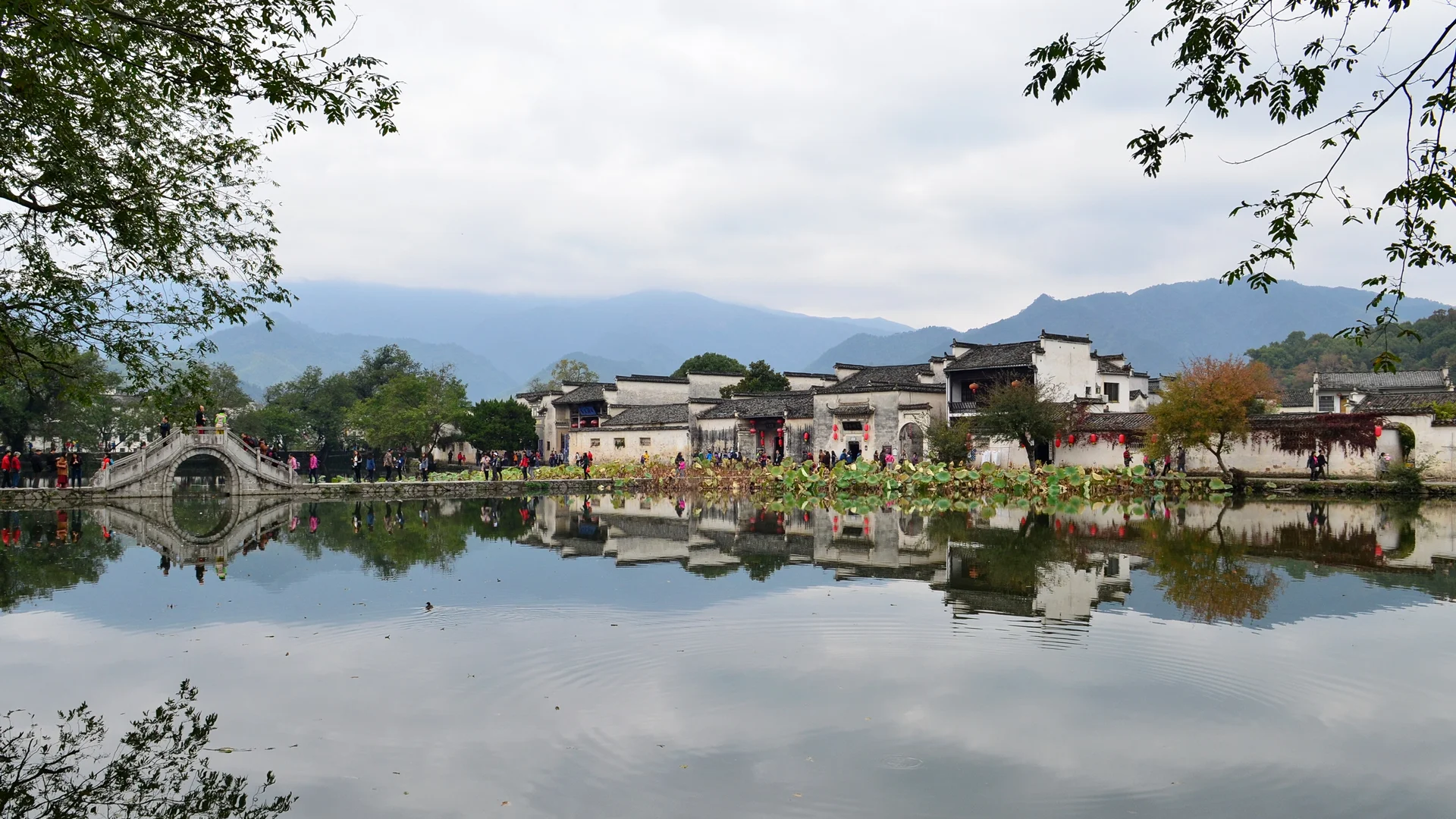
Hongcun is one of those places people think they understand at first glance. White walls, black tiles, quiet water, a famous reflection, and the comforting assumption that this is simply one more beautiful old village in eastern China. That surface impression is not wrong, but it is too thin. Hongcun works because the village feels composed, not merely preserved.
A strong page therefore should not sell Hongcun as a generic film-set village or as a quick side trip after Huangshan. Its real value lies in how water, lanes, ponds, walls, and houses keep reinforcing one another. Once that relationship becomes visible, the village stops feeling like a collection of photogenic corners and starts feeling like one of the clearest small-settlement design destinations in China.
Why It Works
The first reason Hongcun works is that its water system changes how the whole place reads. Many villages are attractive in fragments. Hongcun feels structured from the start. Water is not just decoration beside the houses. It shapes movement, reflection, and the rhythm of the walk. That alone gives the page a stronger identity than a generic old-village page.
The second reason is scale. Hongcun is compact enough to remain legible yet rich enough that the traveler can keep noticing new relationships between pond, lane, roofline, and courtyard. That makes it unusually high-confidence. The page does not need heroic logistics to deliver value, but it does need the visitor to slow down.
The third reason is that Hongcun broadens Anhui beyond mountain-first logic. Huangshan dominates outside perception of the province, and for good reason. But Hongcun offers a different kind of premium page: one built around reflection, settlement intelligence, and spatial order rather than summit weather. That makes it a strong net-new addition to Preview rather than just an Anhui side note.
How To Plan The Visit
The first decision is whether Hongcun is a dedicated village stop or a supporting move inside a larger Anhui route. Both can work, but the page should be honest about the difference. If the traveler arrives only as part of a mountain-heavy day, the village often collapses into one reflection shot and a quick loop. If it is given even a half-day of real attention, it becomes much richer.
For many first-time visitors, South Lake remains the best opening move because it immediately explains the destination's appeal. The village, the water, and the reflection align so clearly that the spatial logic becomes obvious fast. But the page should not imply that South Lake is the entire visit. It is the opening sentence, not the whole argument.
Moon Pond and the surrounding residential fabric matter because they pull the route inward. The traveler starts understanding that Hongcun is not built around one famous edge. It is a whole settlement whose circulation and visual rhythm were designed to keep water and architecture in conversation.
Those interior pauses matter more than many visitors expect. Hongcun gets stronger once the lanes between its headline water features start feeling like part of the design rather than empty connectors.
What To Prioritize
Prioritize the sequence from broad reflection to intimate lane texture. That is the clearest way to let Hongcun unfold. Start with the open-water view, then allow the route to tighten into smaller passages, walls, thresholds, and courtyard glimpses where the village feels inhabited rather than staged.
The page should also protect against checklist behavior. Hongcun does not need aggressive coverage. What it needs is time to let repeated motifs settle in: still water, black roofs, white walls, openings, and gentle compression. The destination gets stronger when those repetitions register as deliberate design rather than decorative coincidence.
Timing matters too. Early and late light usually reward Hongcun more than hard midday brightness. That does not mean the village is worthless later in the day, only that the reflective and atmospheric parts usually feel more convincing once the rhythm softens a little.
Who Should Save It
Save Hongcun if you want one village-heritage destination in China that feels orderly, atmospheric, and visually complete without requiring huge scale. It is strongest for architecture travelers, photographers who care about reflection and proportion, and visitors who want one slower Anhui page that is not built around summit weather.
It is weaker for travelers who only want a quick photo before moving on to something larger. Hongcun can survive that treatment, but it is not where the page is strongest.
What To Confirm Before You Go
Before finalizing the route, confirm whether Hongcun is the main purpose of the day or a supporting stop in a wider Anhui itinerary, and whether your timing protects softer light or a calmer village rhythm. Also decide whether you are really visiting for South Lake alone or for the settlement as a whole. That decision should change how slowly you move.
The honest promise is simple: Hongcun is worth the stop when the traveler lets the village become a designed environment rather than a background image.
How To Use This Page In The Tools
Hongcun should hand off to the planner as a pacing-and-purpose question, not as a generic Huangshan add-on. The useful prompt is "plan a Hongcun visit that gives the village enough time to move from South Lake into the inner lanes, and make clear whether it stands alone or belongs to a broader Anhui route." That gives the planning tools a route that matches how the village actually works.
Traveler actions
Save, check in, share, and help other travelers judge whether this place is worth the trip.
Traveler Comments
Share your Hongcun — The Hui Village That Turns Reflection Into Architecture experience
Continue exploring
More in anhui
View all →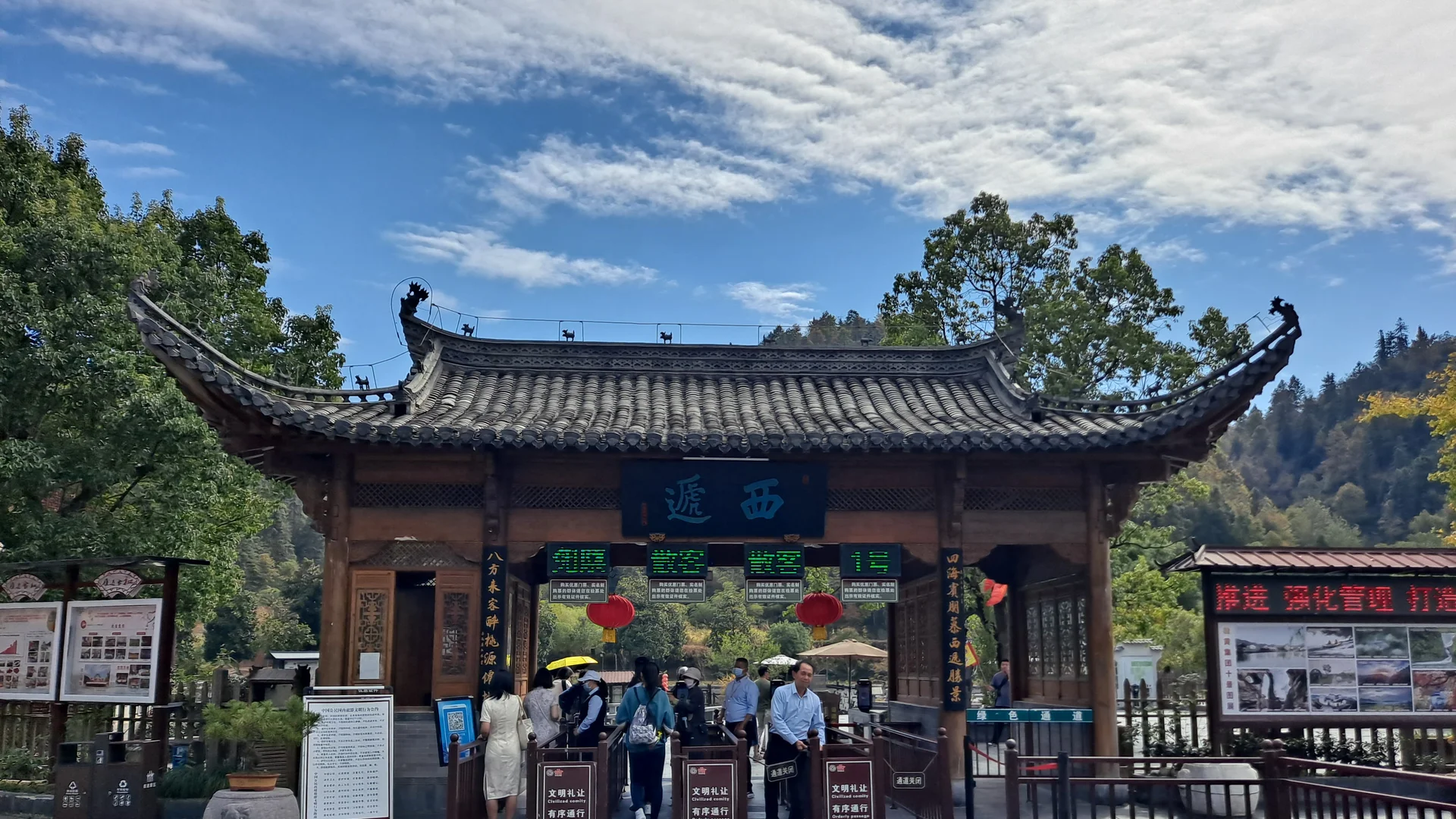 anhui
anhui Xidi — The Huizhou Village That Works Through Merchant Scale, Order, And White-Wall Calm
西递 · Xidi
A practical guide to Xidi for travelers deciding whether this Huizhou merchant village deserves separate time from Hongcun, with practical notes on settlement texture, crowd pacing, and why Xidi works best through architectural order rather than through postcard comparison alone.
- anhui
- March to May and September to November
- Easy
 anhui
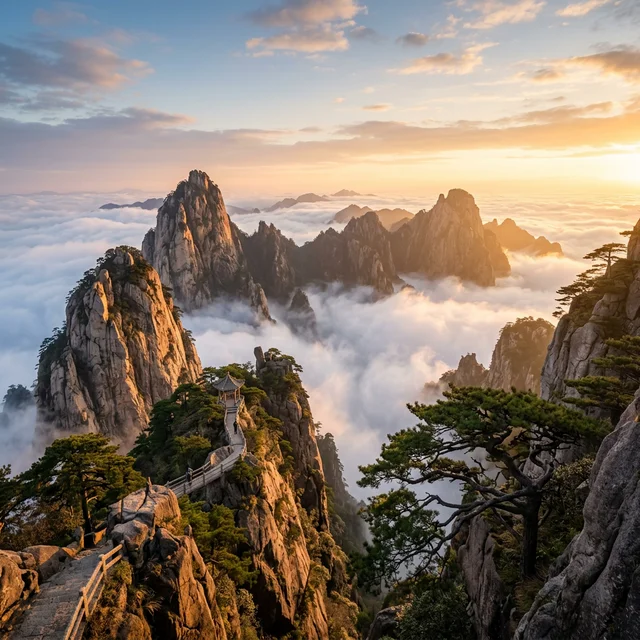
anhui Huangshan (Yellow Mountain)
黄山 · Huangshan
The mountain that defined Chinese landscape painting — granite peaks piercing through a sea of clouds, ancient twisted pines, and hot springs at 1,800 meters.
- anhui
- Mar – May, Sep – Nov
- Moderate